Fashion is full of gatekeepers. If we’re being honest, the industry may as well be one big gate. And a large part of that gatekeeping happens geographically. While you can design and make clothes from anywhere, involvement in the “Capital F” fashion world has historically had to take place within the Big 4 cities: New York, London, Milan and Paris.
But today, more and more eyes are moving towards other cities. As I write this piece, Lagos Fashion Week is taking place. Barcelona and Ireland Fashion Week just ended. Seeing your favorite creator or editor in places like Copenhagen, Berlin, or Shanghai for the local fashion seasons is becoming more common. The cultural and authoritative calendar traditionally associated with the Big 4 is expanding, and with that expansion comes the question: “Does fashion still need these traditional four calendars to dictate what matters?”
I recently returned from 080 Barcelona Fashion Week, and the curated mix of editors, creators, invited guests, and industry professionals in attendance suggested that Barcelona wasn't simply hosting a local fashion event. It was actively building a global platform, and many other cities are doing the same. When fashion journalist Pascal K. Douglas covered shows in the Big 4 cities—as well as Barcelona, Copenhagen, Florence, Berlin, and Marseille for various international publications—he remarked: “What I've found particularly interesting about these lesser-known fashion weeks is the renewed appetite for creativity, exploration and a different way of experiencing fashion.” When you are outside the traditional fashion machine that the big four cities operate within, there is more flexibility to take risks and do work that is genuinely fresh and exciting.
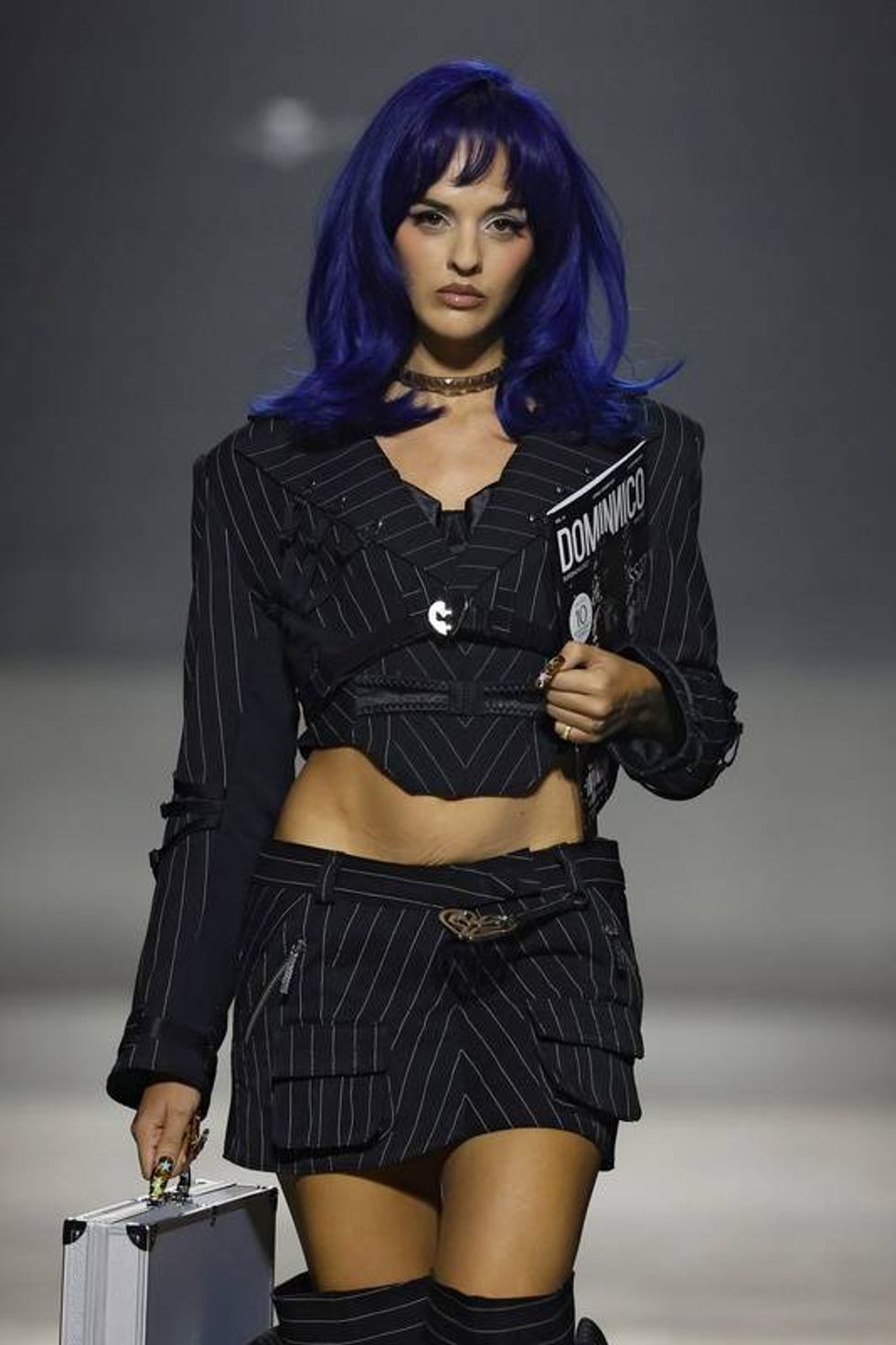
DOMINNICO SS27 Barcelona Fashion Week
At 080 Barcelona Fashion Week, Paco Benavente's romantic and whimsical approach to design was a personal highlight of my entire fashion season, while 404 Studio presented a collection inspired by Satoshi Kon's 2006 animated film *Paprika*, translating another creative medium into fashion. These weren't designers simply trying to replicate what was happening in Paris or Milan. They were presenting distinct creative perspectives that deserved attention in their own right. And Barcelona isn't alone in developing its own creative identity. Berlin Fashion Week, for instance, has attracted international attention for its experimental approach to design. "[Berlin's] aesthetic always seems a bit darker and brutal," says stylist and fashion creator Martin Gregory Jerez. "I think the designers there have a lot more freedom to do what they want and the techniques they use to create are always innovative and interesting." When you look at Berlin-based designers like GmbH or Richert Beil, it's a reminder that part of the appeal of these alternative fashion capitals is precisely that they don't all look alike.
Of course, we can’t discuss the shifting and expanding fashion world without bringing up the role of social media. Traditionally, visibility of designers was top-down: editors and publications determined what they’d take the time to see and thus what they would disseminate to the rest of the world. But that power dynamic has shifted as social media has made it possible for designers to reach international audiences without first securing the industry's traditional stamp of approval. However, being seen and being taken seriously are two very different things. A viral runway moment might generate eyes, but that does not necessarily translate into international buyers, retail distribution or long-term commercial success. Much of that legitimacy comes from where the clothes are presented.
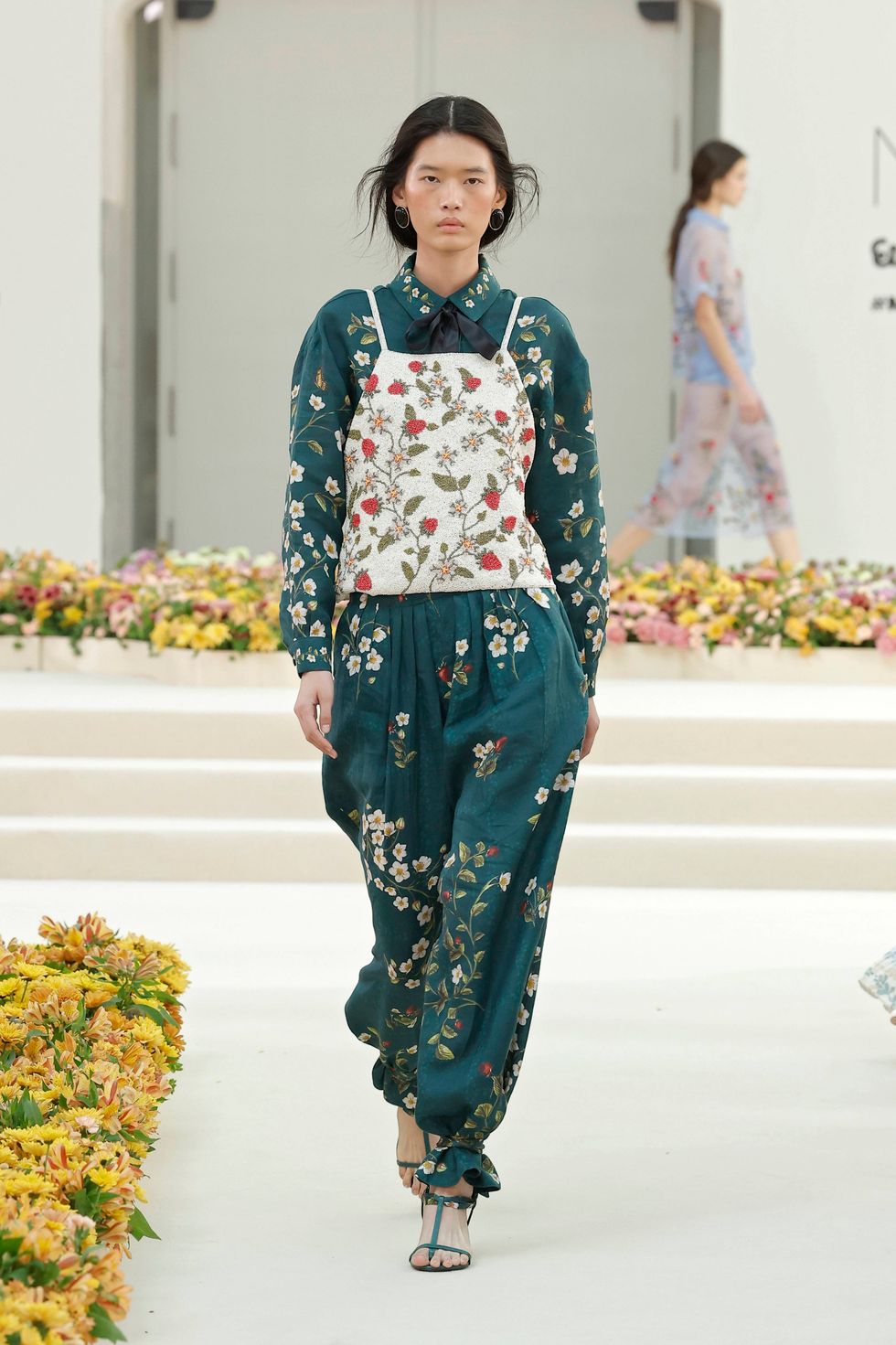
AGUA BY AGUA BENDITA Madrid Fashion Week
When asked whether geography still determines how seriously the industry takes a designer, Sofia Tchkonia, founder of Mercedes-Benz Fashion Week Tbilisi in Georgia, said: "I think it still matters. A designer can build an audience [via social media] from anywhere, but getting the industry to take their work seriously is another step.”
And while the rise of alternative fashion capitals might suggest a more geographically inclusive industry, there are still challenges in operating outside the traditional centers of power. Because at the end of the day, fashion weeks are still businesses. Behind the runway shows are networks of sponsors, publicists, manufacturers, buyers, investors, and government backers. The ability to attract international attention is only one part of the equation. The real challenge is creating an ecosystem that can sustain that attention and turn it into commercial success for the designers showing there.
But even with all this expansion and visibility of other cities' fashion calendars, there is still this idea in fashion circles that “all roads lead to Paris.” The Row, Willy Chavarria, KidSuper, and Amiri are all American brands that now choose to show in the City of Lights. The unspoken reason? Prestige. In a 2023 interview with the Federation de la Haute Couture et de la Mode (the governing body over the Paris fashion week calendar) the designer duo behind NYC-based brand Vaquera said, “The most recent turning point was our move to showing in Paris.”
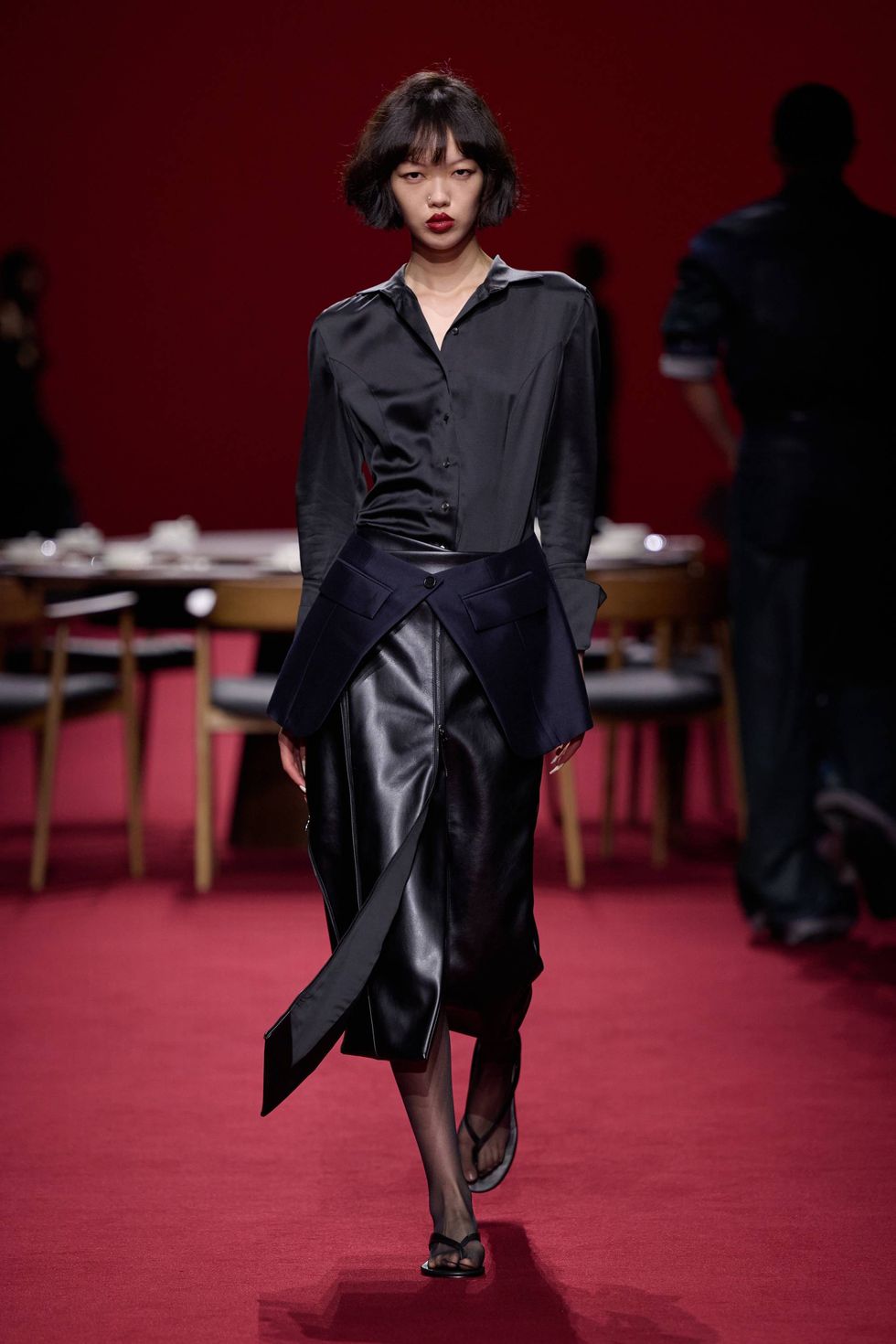
SHAO SS27 Shanghai Fashion Week
That’s because moving to the Paris calendar is a signal. It signals legitimacy. It signals business growth. It signals a higher position in the fashion hierarchy. But why must legitimacy be validated through a Western lens? “For me, the real shift will happen when a designer can build an internationally influential career from Lagos, Dakar, Seoul or Shanghai without having to relocate to Paris, show in Milan or receive the endorsement of a Western institution to be taken seriously,” said Douglas.
Even as a content creator, I feel the weight of a city like Paris. Being part of its fashion community lends a certain legitimacy to my work, even when the work itself isn't any different. And this perception extends well beyond the industry. There's a collective cultural understanding that Paris is the pinnacle of fashion. We've all seen The Devil Wears Prada, right? (Sorry, Emily.) But Paris didn't earn its position overnight. From the influence Marie Antoinette and her dressmaker Rose Bertin had on the early trend cycle to the development of haute couture and the institutional infrastructure supporting the industry today, the city has spent centuries establishing itself as fashion's heavyweight.
That kind of power can't be replicated in only a few seasons, but perhaps it doesn't need to be. As Tchkonia puts it, "Talent is everywhere but opportunity isn't equal."
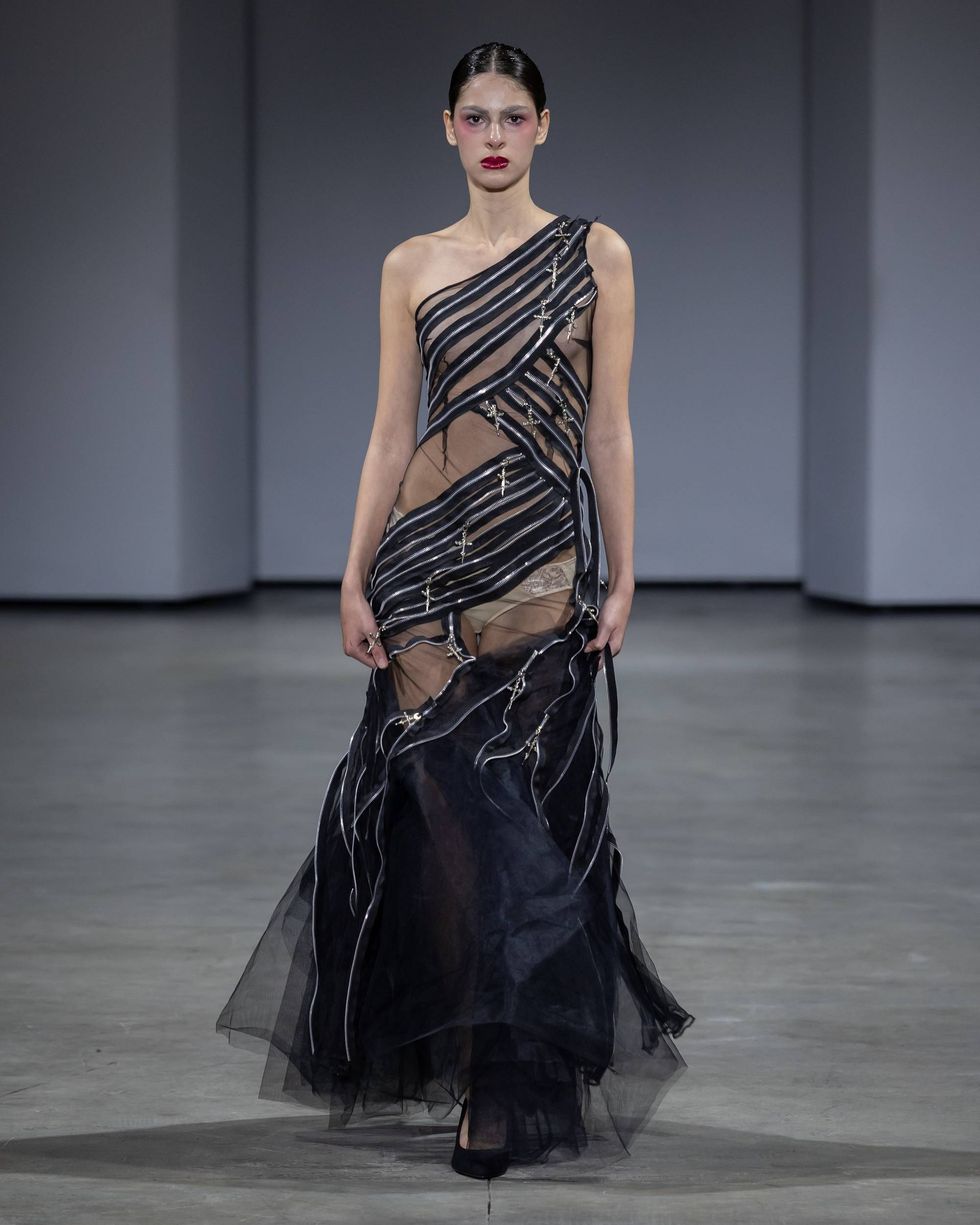
GENARO RIVAS SS27 Tbilisi Fashion Week