It’s hard to ignore that Pop music is having a moment. Over the last two decades, the genre has evolved into something that appeals to everyone from highbrow coastal elites to suburban tweens. The boundaries between pop, hip-hop, R&B, dance and alternative have become increasingly blurred, and the modern pop star is expected to deliver far more than a collection of catchy singles. We want an era, an aesthetic, a narrative, and of course, a little controversy to discuss online.
From albums that challenged what mainstream music could sound like to artists who turned their own reinvention into a cultural event, some of pop's most defining ideas were being tested years before they became the norm. And many were ahead of their time.. Some confused fans, others polarized critics. But hindsight is 20/20, and revisiting these seven albums reveals just how much of today's pop playbook was written years ago.
The 7 Albums That Wrote Pop’s Modern Playbook
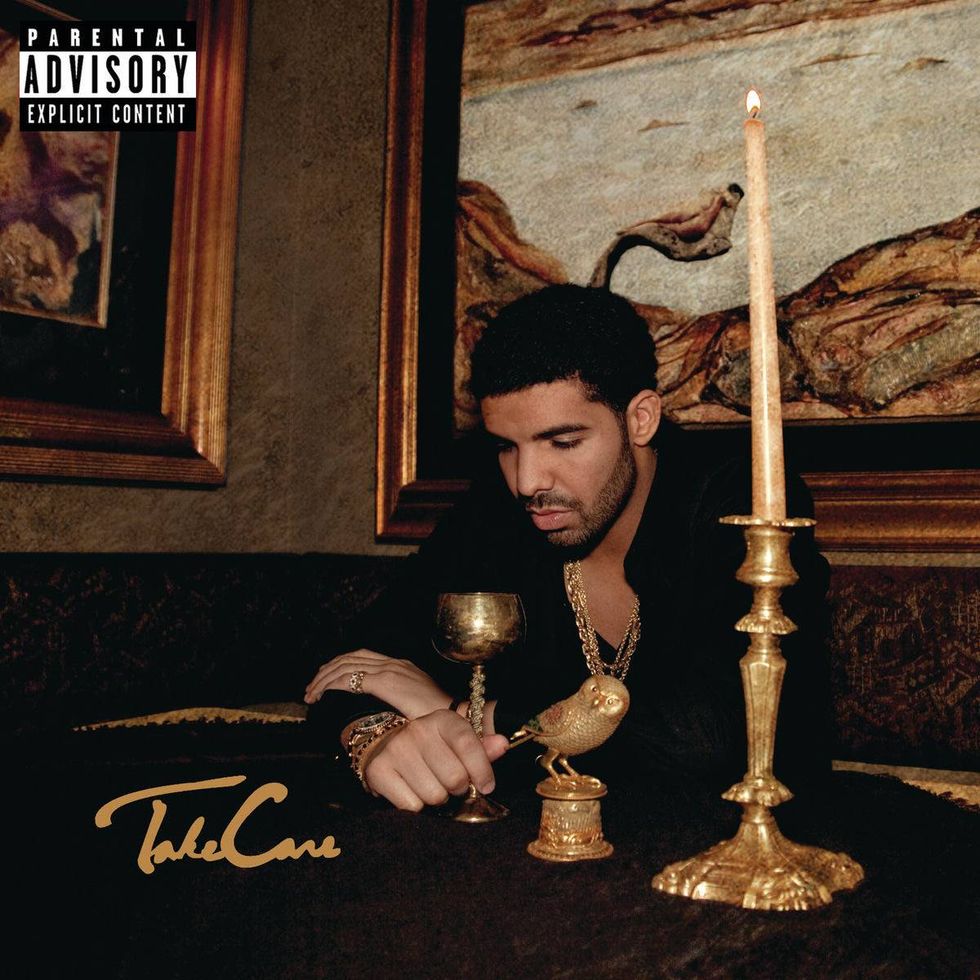
Drake, Take Care (2011)
Drake is a pop star who raps. I won't be arguing. And if we're tracing the moment that identity really took shape, Take Care is a pretty good place to start. After first entering our lives through the Canadian teen drama Degrassi (yes, remember that?), Drake was reintroduced as a rapper through Lil Wayne's group Young Money. But by his sophomore album, he was moving into a space that didn't fit neatly within the traditional boundaries of hip-hop.
The softer, emotionally vulnerable moments of "Marvins Room" and the albums title track existed alongside more conventional rap hits like "The Motto." He could be introspective, boastful, romantic and petty, all things we have come to expect from the artist. And the audience ranged from hardcore hip-hop listeners to soccer moms.
I'm reminded of a line from the pilot of Issa Rae's HBO series Insecure, when Daniel says, "Every black girl that went to college likes Drake," to which Issa responds, "He just really gets us!" And that's precisely the point. Drake's appeal wasn't just about crossing genres. It was about crossing audiences without necessarily abandoning the identity that made him successful in the first place.
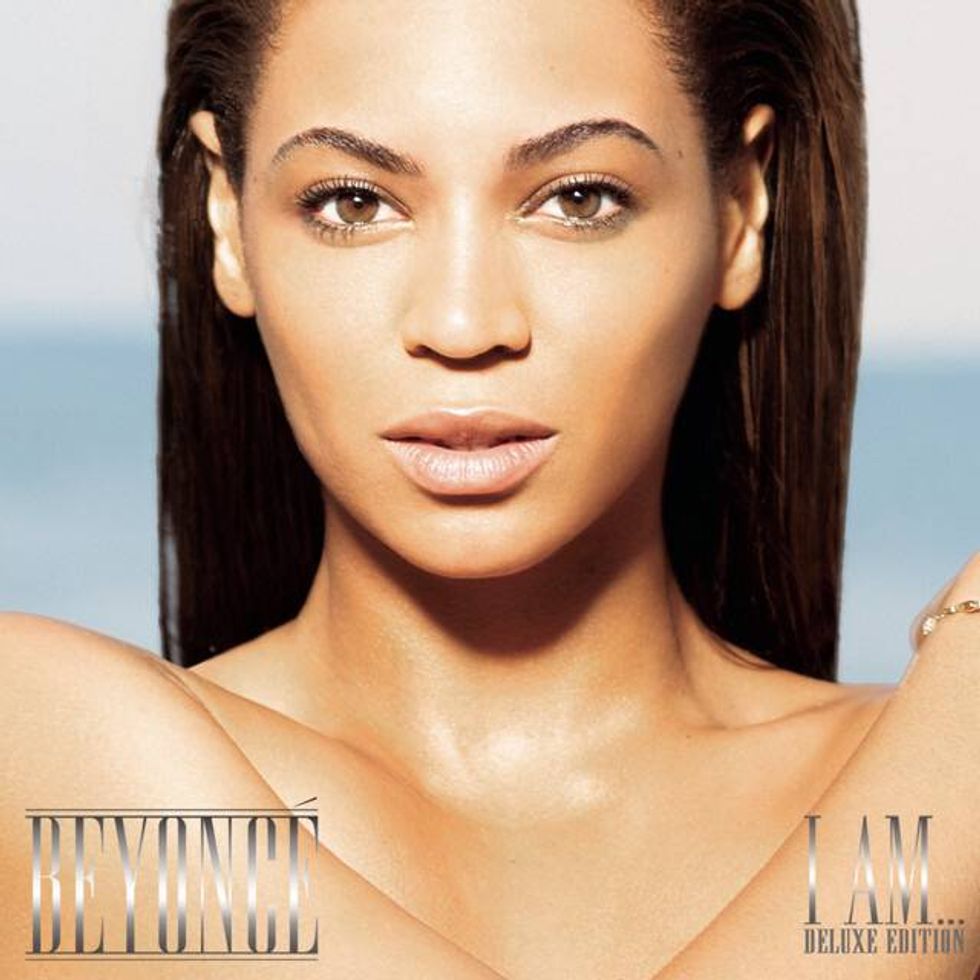
Beyoncé, I Am... Sasha Fierce (2008)
It would have been very easy to put BEYONCÉ or Lemonade on this list. Both are cultural juggernauts that fundamentally changed how we think about albums. But I'd argue that neither would have existed in quite the same way without the groundwork laid by I Am... Sasha Fierce. Beyoncé's third solo studio album gave us "Single Ladies (Put a Ring on It)," "If I Were a Boy" and, eventually, the Lady Gaga-assisted "Video Phone." But beyond those hits, the album introduced a more deliberate separation between Beyoncé the person and Beyoncé the diety we know today.
Through her self-described alter ego, Beyoncé created space to explore different sides of her artistry. The two-part album structure made that distinction literal, with one side devoted to traditional R&B and the other to the more commanding pop anthems. And we know where that eventually led. Surprise releases, visual albums, genre-spanning projects and an artistic identity that now exists almost entirely on her own terms. Basically, I Am... Sasha Fierce was the runway. BEYONCÉ and Lemonade were the takeoff.
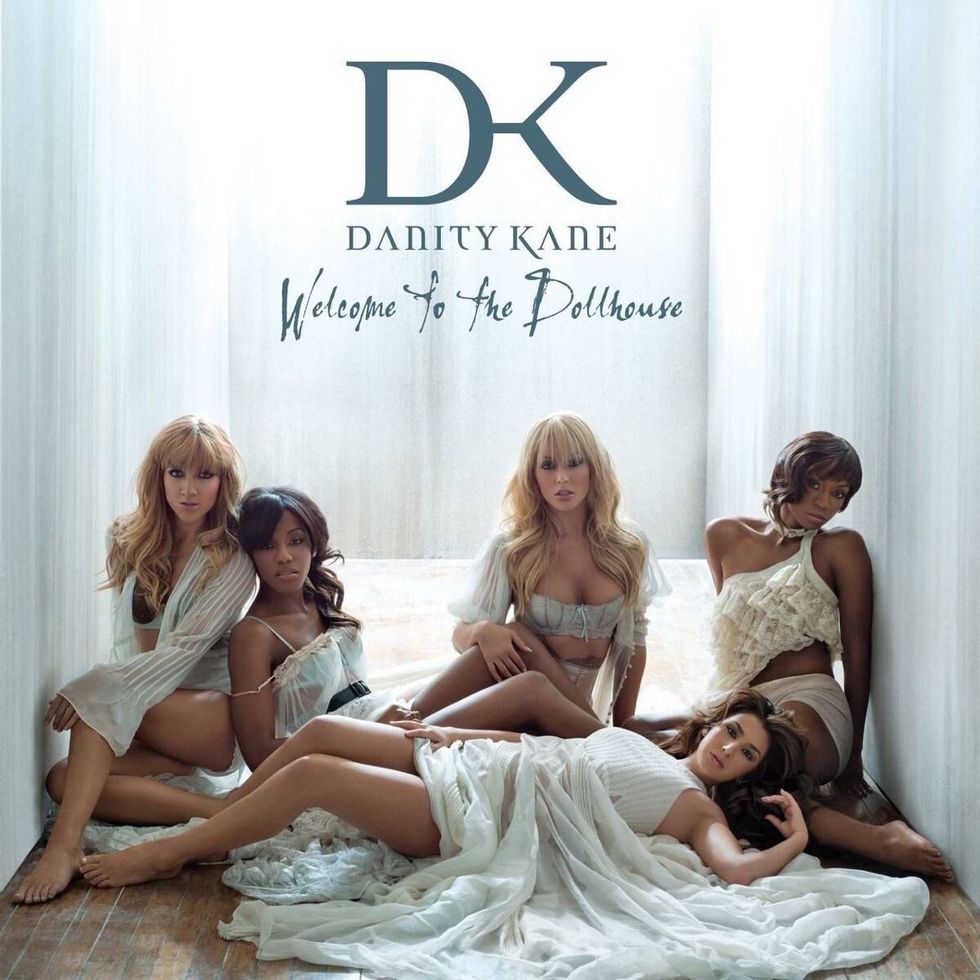
Danity Kane, Welcome to the Dollhouse (2008)
Before there was Pop Star Academy, there was Making the Band. And while that show's legacy is complicated, to put it mildly, Danity Kane's contribution to the modern girl-group playbook deserves a serious revisit.
I actually came back to Welcome to the Dollhouse recently and was hit hard by just how well it holds up nearly two decades later. The production is innovative, the genre blending is contemporary, and the unexpected interludes give the album a sense of theatricality that we really should bring back.
What makes Danity Kane particularly interesting in hindsight is the way the group existed at the intersection of reality television, music and pop persona. Audiences weren't simply introduced to a finished group. They watched its members audition, compete, develop their identities and ultimately become a commercial success. Today, KATSEYE and Pop Star Academy have introduced that process to a new generation, while K-pop has helped normalize the idea that a group's formation, individual personalities and collective identity are just as important as the music. Welcome to the Dollhouse is a reminder of how much of the contemporary girl-group formula was already being explored in the aughts. And frankly, "Sucka for Love" still sound like they could have been released yesterday.
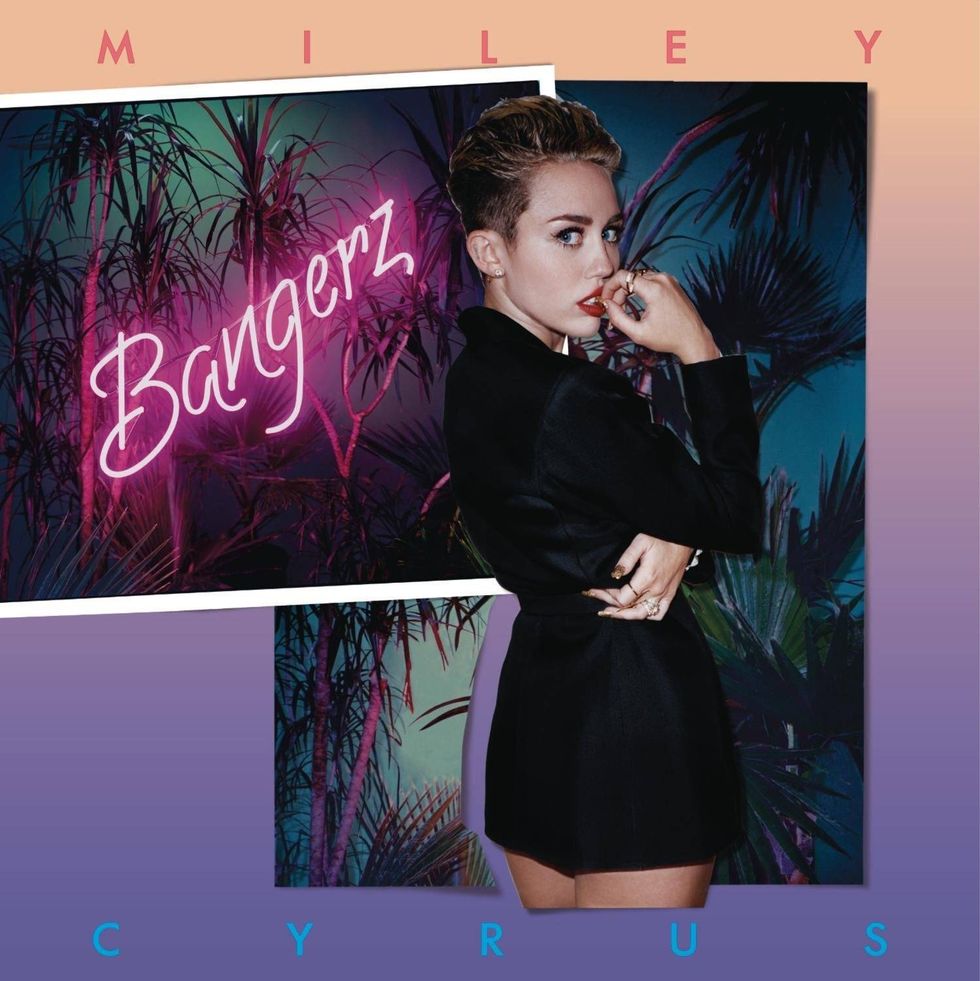
Miley Cyrus, Bangerz (2013)
Miley Cyrus is often left out of conversations about pop music's most influential figures, and I think part of that has to do with the fact that we quite literally grew up with her. The world watched her rise through Disney's Hannah Montana, making her feel less like an untouchable superstar and more like someone we've known since childhood. She was, in a sense, the world's babysitter. And it's hard to imagine your babysitter as a revolutionary. But then came Bangerz.
Suddenly, the Disney star was swinging naked from wrecking balls, rapping about Molly, and provoking public discourse that extended far beyond her existing fan base. The transformation was loud, messy, controversial and practically impossible to ignore. But underneath the spectacle was an album that proved Miley could connect with an entirely different audience without losing the emotional songwriting that had always been central to her appeal.
What Bangerz helped cement was the modern pop reinvention as a full-scale cultural event. Bangerz demonstrated what that transformation could look like in the emerging social media age, when every performance, outfit and headline could become its own viral moment. And while the spectacle dominated the conversation in 2013, the music has continued to find audiences long after the controversy faded. There’s a reason “Adore You” is back in the zeitgeist again, earning a million streams in a single day recently, 13 years after its release.
Frank Ocean, Channel Orange (2012)
At first glance, Channel Orange might not seem like the most obvious choice for a list about pop music's modern playbook. But look at the landscape of contemporary R&B and alternative pop, from SZA to Steve Lacy to Kelela, and Frank Ocean's influence becomes difficult to ignore. Channel Orange challenged the expectations placed on mainstream R&B artists, both sonically and narratively, and transcended that liminal space that many artists trapped in the confines of the “R&B/Soul” genre find themselves in.
What makes Channel Orange so significant is that it expanded the possibilities of what an R&B artist could be without compromising on artistry, lyricism or experimentation. The album earned an Album of the Year nomination at the Grammys and won Best Urban Contemporary Album, bringing a distinctly alternative approach to R&B into the center of the mainstream music conversation. It moved between soul, funk, electronic music and pop, often within the same track (peep "Pyramids"), while treating deeply personal narratives with a level of detail and complexity that felt at times like slam poetry.
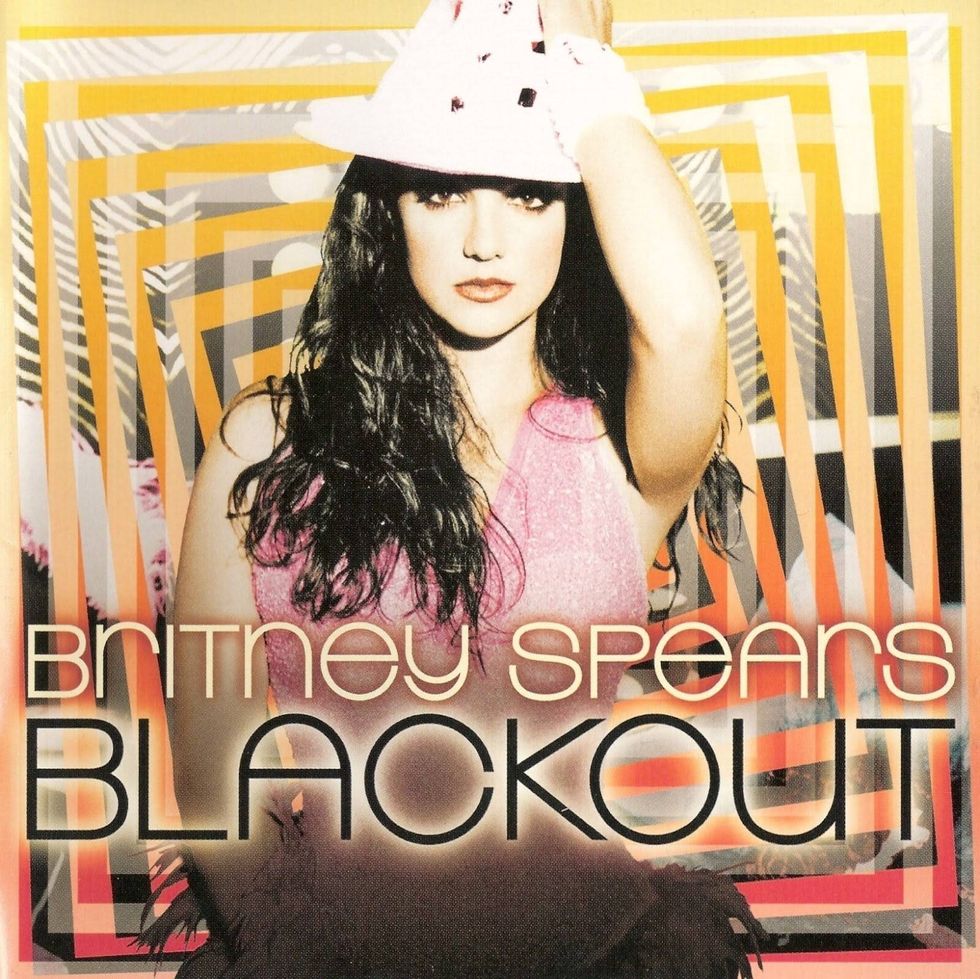
Britney Spears, Blackout (2007)
Often described as one of the greatest pop records.. ever, Blackout was a no-brainer to close out this list. Nearly 20 years after its release, "It's Britney, bitch" remains part of the cultural vernacular. But beyond that instantly recognizable opening, Blackout helped establish a sound and aesthetic that would influence pop music into the present day.
Released during one of the most intensely scrutinized periods of Britney Spears' life, the album took chaos from her early aughts publicity fiasco, and packaged it into a punk, abrasive, self-aware, and utterly unapologetic album that now sits in the Rock and Roll Hall of Fame. And if you ever need to feel like that girl, put "Piece of Me" on your headphones and stomp into your future.