
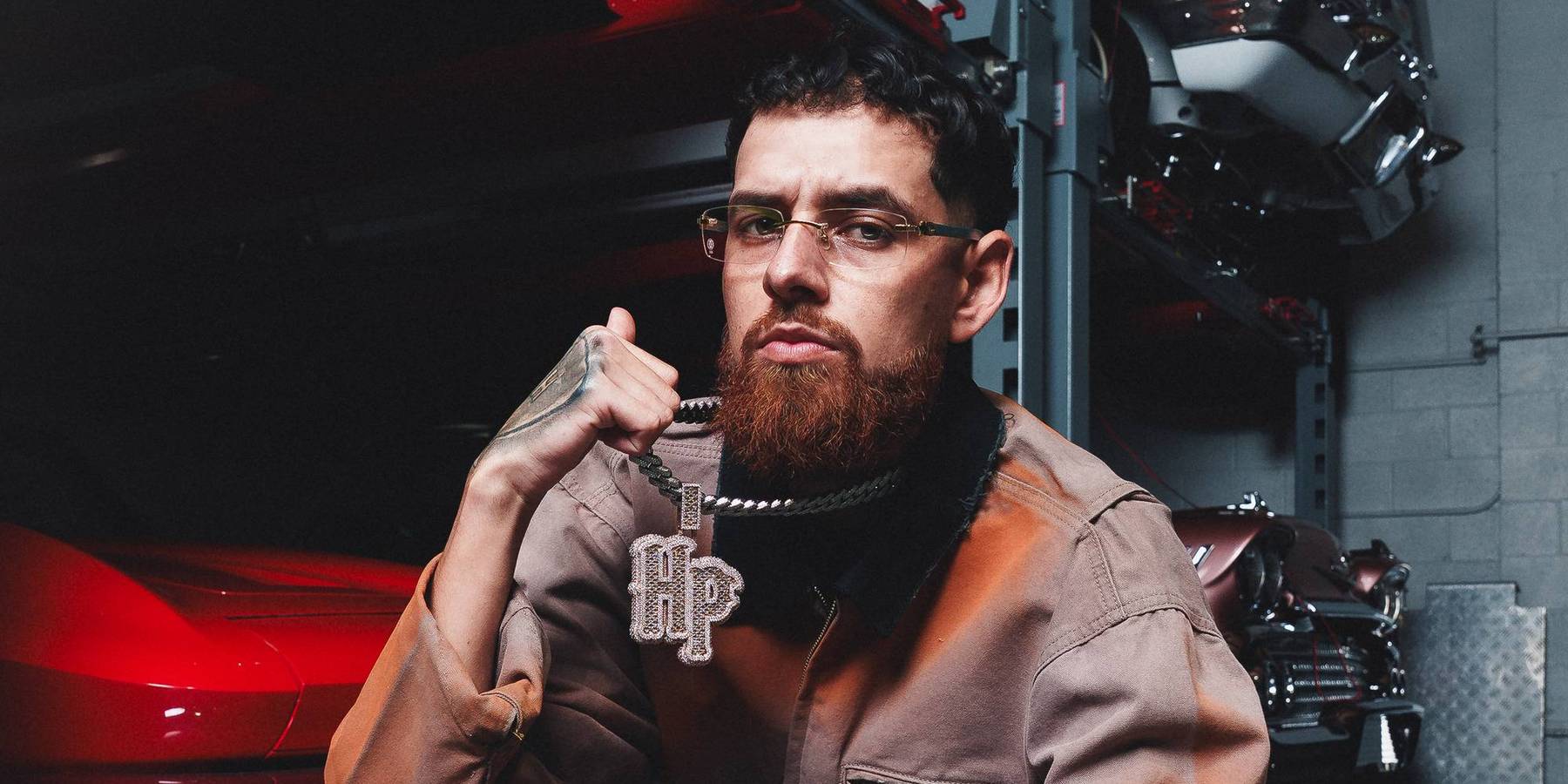
From picking peaches in the fields of a small town in California to playing a character doing the same thing, JayDee of Herencia de Patrones fame makes his acting debut with the upcoming feature film CLIKA directed by Michael Greene. We sat down with the newly minted acting lead for an intimate discussion on how his upbringing shaped his drive and tenacity: bearing fruit through success in his music and a newfound path in filmmaking.
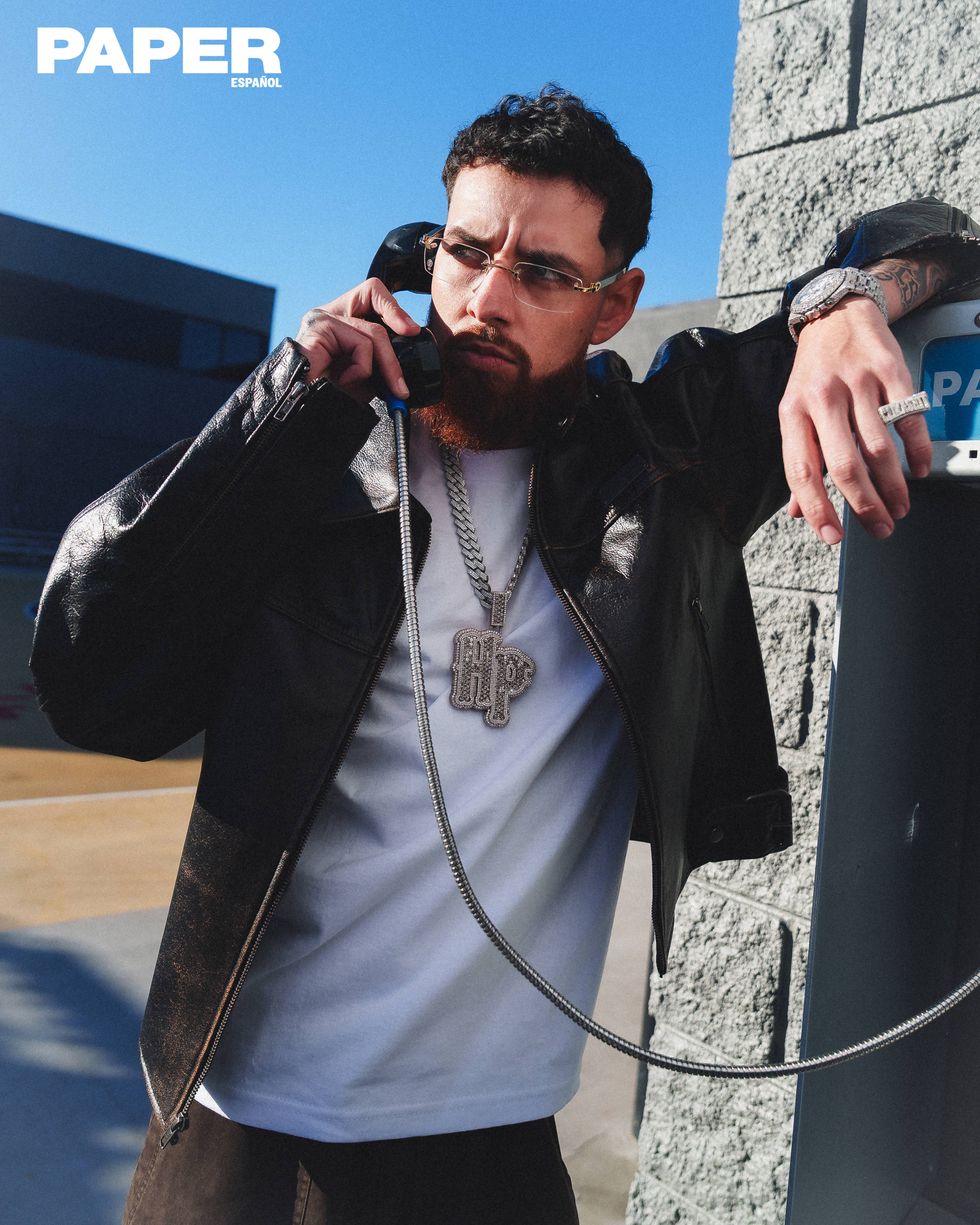
JayDee, what was it like to star in a major motion picture? Did you dream of acting on the big screen when you were younger?
Yeah—definitely. Just seeing movies as a kid, you’re just dreaming. You imagine that someday you could be part of something like that—even if you don’t know exactly how, or even if it’s not necessarily “movies,” you just want to get out there and get ahead. And once I released my music, and the buzz started growing: I got the opportunity to star in a film, and it was a no-brainer. I was there for it. It’s everything I’ve always wanted to do—so now’s the time to execute, make it right, and deliver.
Tell us about your character in Clika. Was it someone you could relate to?
Chito is a lot like me back when I was barely starting. The come-up. Trying to do music, not being accepted, working in the fields—because I couldn’t devote all my time to music even if I wanted to. I had to work. I had to go out there and get it just to be able to chase the next dream. And once I was able to focus on music, things started to move more quickly.
It really connects to my own life because the moment where I felt like I “made it” was when I got my first major collaboration—with Fuerza Regida and Legado Siete—on “Cosas de la Clika.” Me and my boy Uzi hopped on the beat and handled everything. That song started the whole movement for me. Honestly, if it weren’t for that track, those collaborations, the way everything happened, I don’t think this movie would’ve even happened.
What was the process like when you found out you got the role? How did you prepare before your first day on set—classes, coaching, working through the script?
For preparation, there wasn’t really anything leading up to it. It was the first casting I did. That was my first time ever trying to act—literally my first time. I’ve done stuff before where I’m in music videos and we’re running through a building or something, but that’s different—that’s directed by me, I’m hands-on there.
This was my first project where I had to take everybody else into consideration—tips, notes, people telling me what to do instead of me calling the shots. So it was different. But I also felt it was similar to my music: because when I’m on stage or in the booth, I have to be comfortable. I can’t just walk in and start performing. I need the room to feel right. I need the energy to be right.
On set, it’s similar: everyone brings their energy. People keep you going—“good shot,” “keep it going.” That’s what pushed me and made me feel like, okay, I can do this.
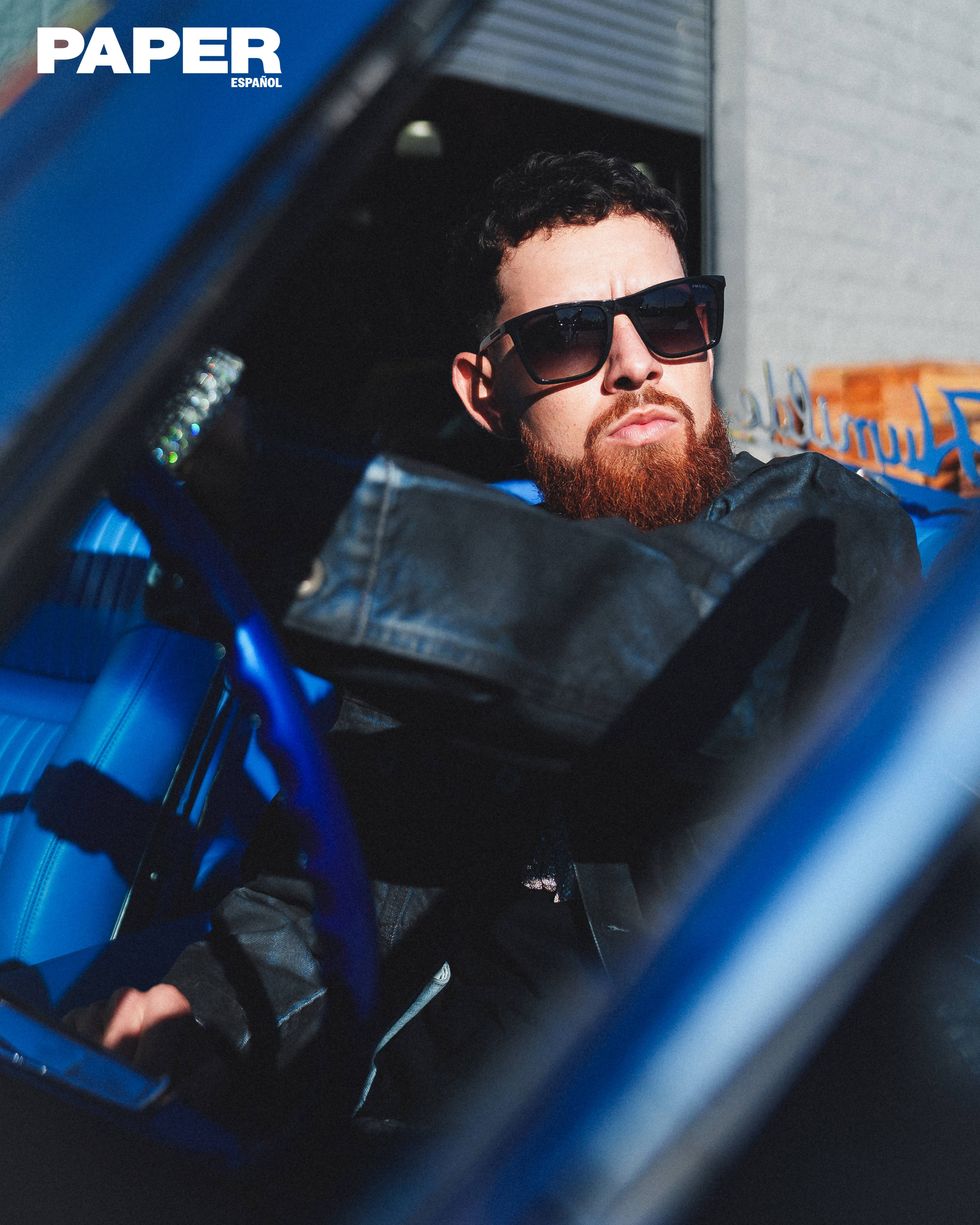
Walk us through a day on set. What did a day of shooting Clika look like for you?
I was always the first on set and the last to leave. Even if I was only shooting a small scene, I was there from beginning to end. And sometimes you’re like, man… what did I get myself into? They’re long days. You get migraines. It’s intense.
But you stick through it. Some days feel like the best day ever, and some days you have to push through. No matter what, you give it your all. You want every part to come out perfectly.
There were days I’d come into a scene in a good mood, and then they tell me, “Your mom’s losing the house in this scene—you have to be sad.” And now I’m in a room with Nana Ponceleon—she’s an incredible actress. On command, she tears up. And it’s just me and her, so I have to match that energy. I can’t be laughing. You have to go into that dark space to make the feeling real.
What was your favorite moment while shooting?
There were so many. But one of the most memorable was the beat-up scene—because I really had to sell it. I feel like I got whiplash that day.
I had a stunt double doing the flips and kicks, but the camera was on my face and they’re like, “Make it look like you’re getting punched—whip your head back.” We did it over and over. He’d be like, “You good, bro? Don’t go too far back.” And I’m like, “Bro, it has to look solid. It has to be right. I’ll do it well so we don’t have to do it again.”
So we kept doing it. I was like, yeah, I’m good. Then the next morning my neck was locked—I couldn’t turn my head. I just pushed through and told myself: this is not going to ruin the scene today.
You mentioned earlier how different it is to take direction from others. What was the biggest challenge transitioning from the studio and music videos to a film set?
It’s the team. It’s bigger. There are more people to consider, more people directing you. In music, I’m used to doing things my way. So it was new for me to follow someone else’s command.
But I was also hands-on, which helped. It’s like anything: you’re nervous at first, then you get your feet wet, meet people, get comfortable, and everything starts moving naturally.
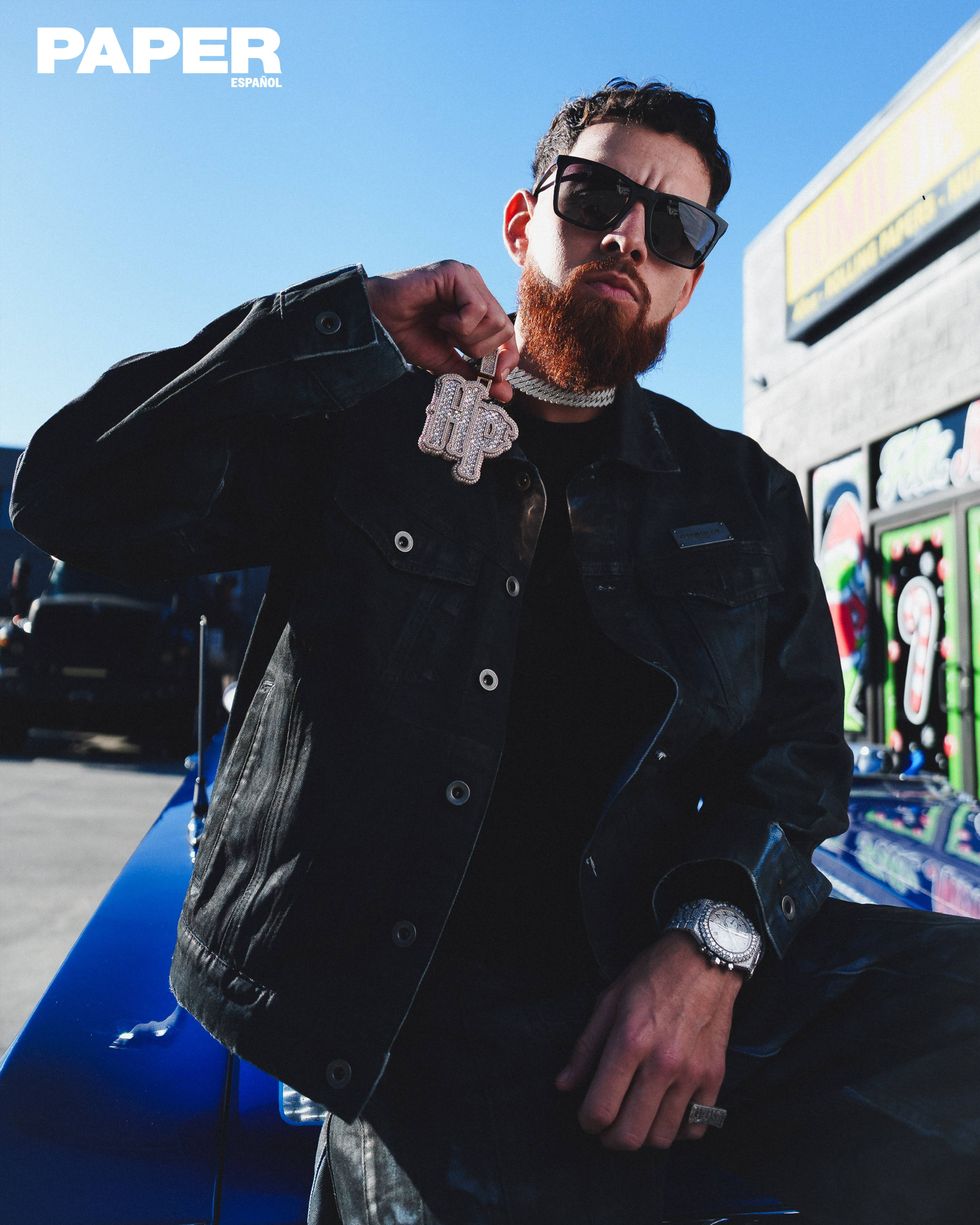
Why is Clika important right now? What do you hope audiences—especially young Chicanos—take from it?
That it’s possible. It’s possible to make it. It’s possible to get out there and get it done in whatever line of work you’re in.
I come from an immigrant family. They left Mexico for a better dream for their kids—me and my brothers. It’s a blessing to be here, to get into the music industry, and take it to a level not everybody reaches.
I started picking fruit, working in the fields. That’s what I grew up doing. I’m from a small town people don’t really know about. So you can make it no matter where you come from, no matter what you’ve got going on. Everyone has a different path—you just have to stay on yours, and you’ll get to where you want to go.
Some of those scenes mirror your real life—like picking peaches. What did it feel like to reenact something you actually lived?
Nostalgic. Very nostalgic. Getting under the tree, setting up the ladder, fixing it—because when you’re picking peaches, you get paid by contract, not by the hour. It’s up to you how much you make, so you’ve got to get in there and pick everything.
And that peach fuzz falls on you—that’s the worst part. If there were no peach fuzz, picking peaches would be easy. The work is heavy—climbing, carrying weight—but the real burden is the fuzz. Once you scratch yourself, it just gets worse. On a hot day, you’re sweating and it’s everywhere.
I remember it. I don’t miss it. But I’m proud I did it. I started young, and I think that’s what gave me the drive. I didn’t want to do that forever—so I worked for something I did want.
The film fuses music into the narrative. What role does your music play in the film, and what can fans expect—any new music?
Yeah, definitely. You’re going to hear original songs from Herencia de Patrones, some new tracks, and also some romantic vibes. I got really attached to the film, and I started making music for it. A couple tracks on the album are inspired by the movie—so I took a lot from it.
After this experience, do you want to do more acting?
Definitely. I love it. As long as the crew is right, the cast is right, and everything is rolling, I’m ready. My first experience was a great one, so I’m ready for the next.
What is next for you after Clika? What are you hoping for in the coming year?
Tours. A tour here in the U.S., maybe something in Mexico too, especially with the movie releasing in Mexico in February—so we’ll line up dates out there. And more music. Just keep it pushing. See what doors open, see what opportunities are out there, and take advantage of it all.
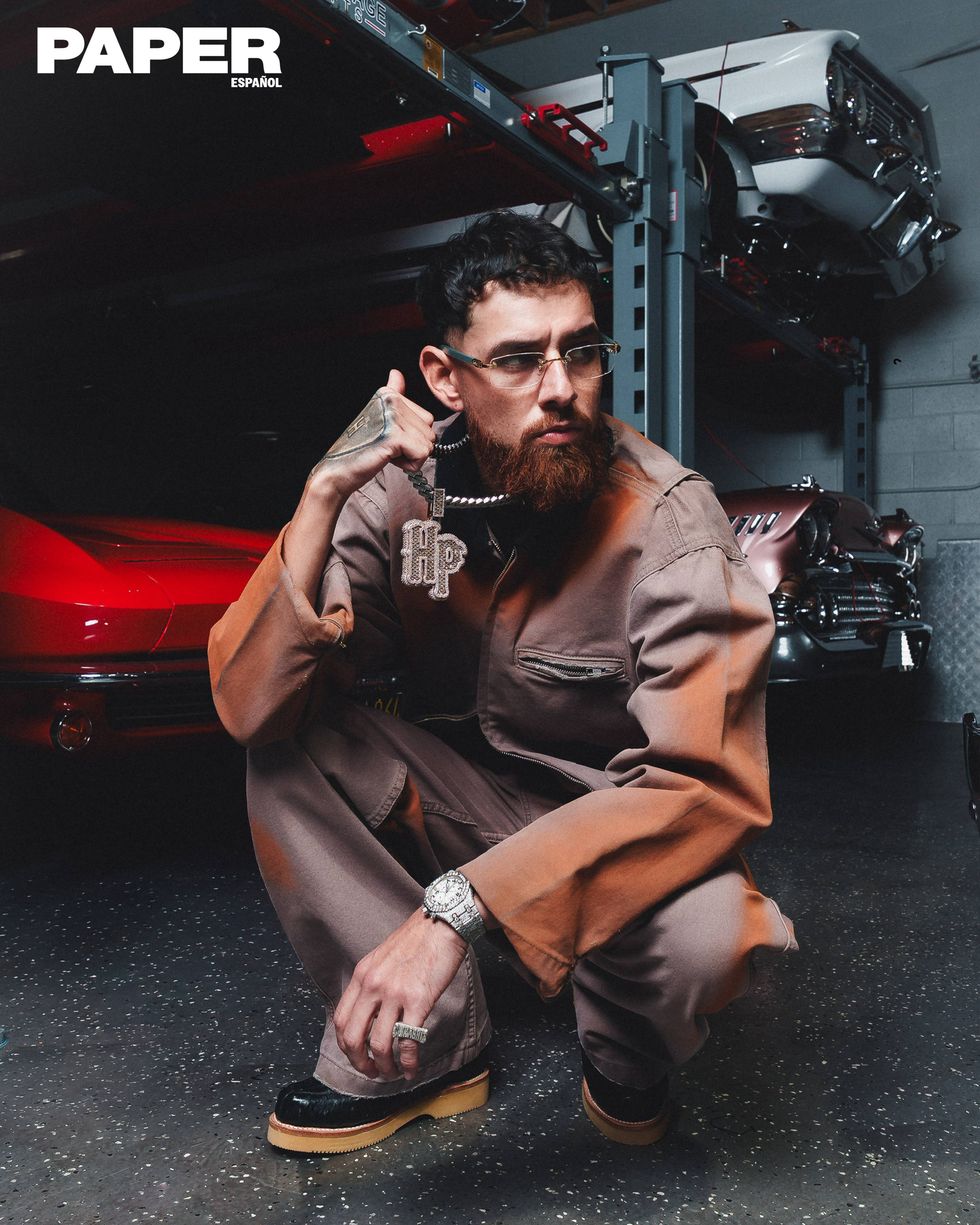
Interview and text by Ricardo Diaz
Photographer: Victor Arriola
Stylists: Joshua Alan Clark & Bo Roses
Photo Assistant: Francisco Varela
Creative & Executive Director: Brian Calle
Digital Director, PAPER Español: Ricardo Diaz