Twilo Can Never Go Back to the Past
by Benny SunMar 12, 2026

Nostalgia for the parties of yesteryear is at a zenith.
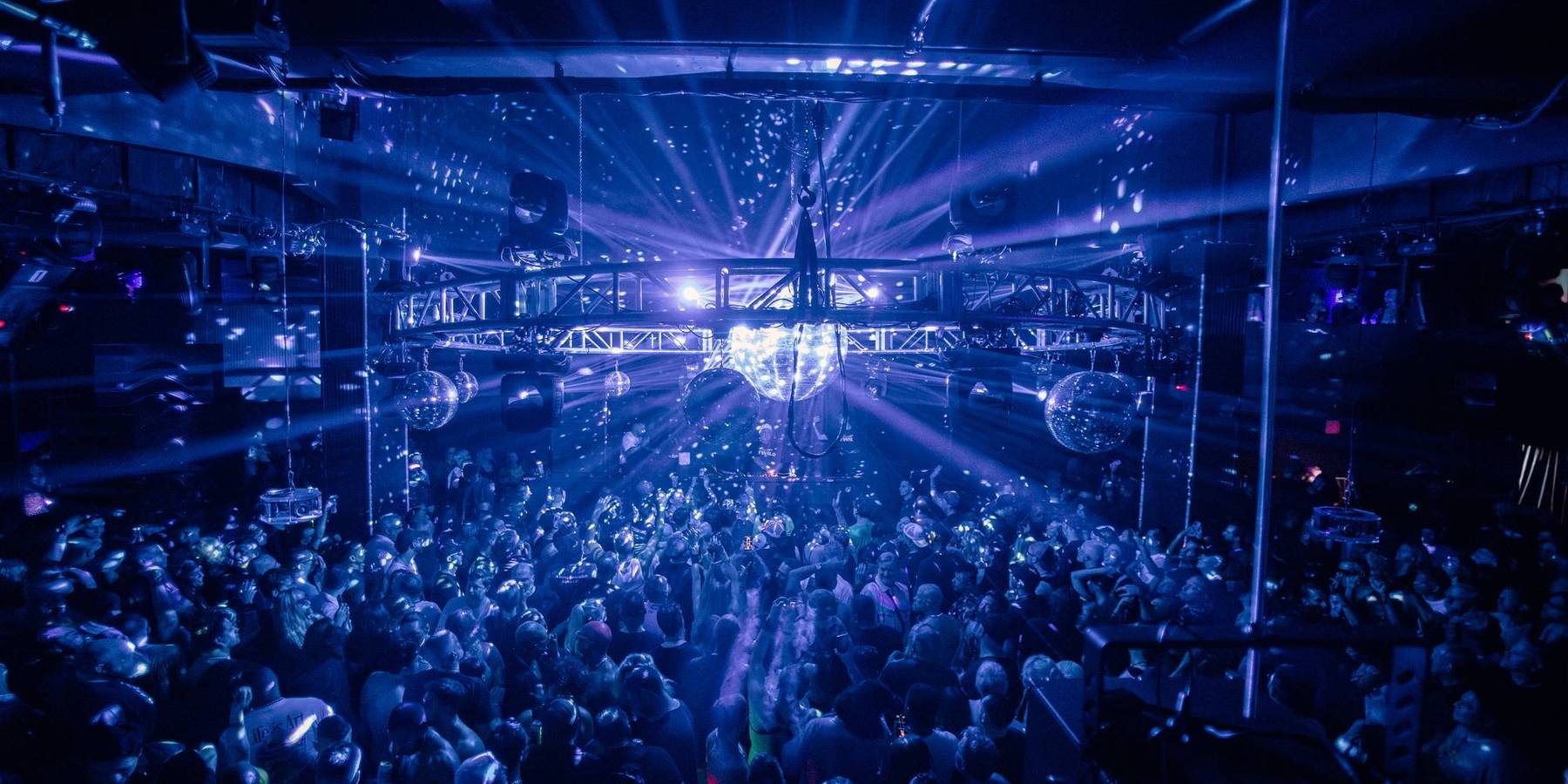
Decade-themed throw downs and “raves” geared towards goths and Y2K have become the preferred form of nightlife for a sect of people who just want to have a familiar good time. But it’s an impossible feat to broaden and squash an entire slice of time or culture without flattening out the nuances that made it spark. Over the weekend, Twilo opened its doors for the first time in 25 years and reinvited all the daring nuances of its original tenure to the dancefloor. For two nights, a form of nightlife that hadn’t been seen since the Giuliani days was revived without any of the pretension or posture of a nostalgic happening.
By the time Twilo’s original run ended in 2001, there was a sense that New York’s club scene was dead. Growing economic pressures, a rapidly developing neighborhood and then-Mayor Giuliani’s “quality-of-life” crusade had made it impossible to have fun in Manhattan. Twilo was the last in a long lineage of midtown nightclubs that served as a refuge for the city’s freaks and weirdos alongside contemporaries like The Tunnel and Roxy — a history that stretched back to spots like The Paradise Garage and The Saint.
Even the club's West 27th Street location had been a mecca during its original stint as the Sound Factory, the once home of house pioneer Junior Vasquez.
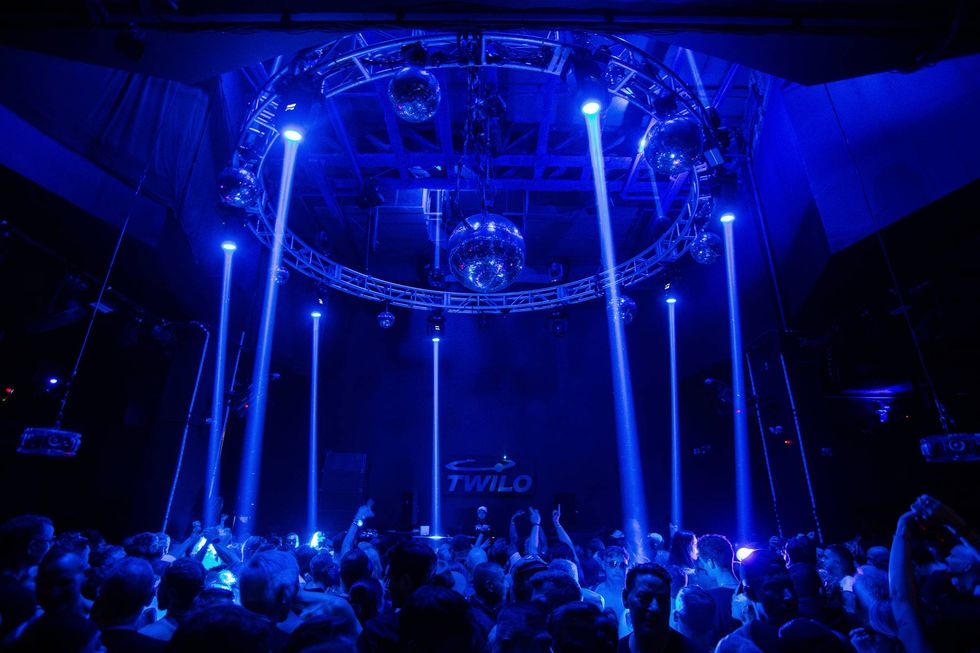
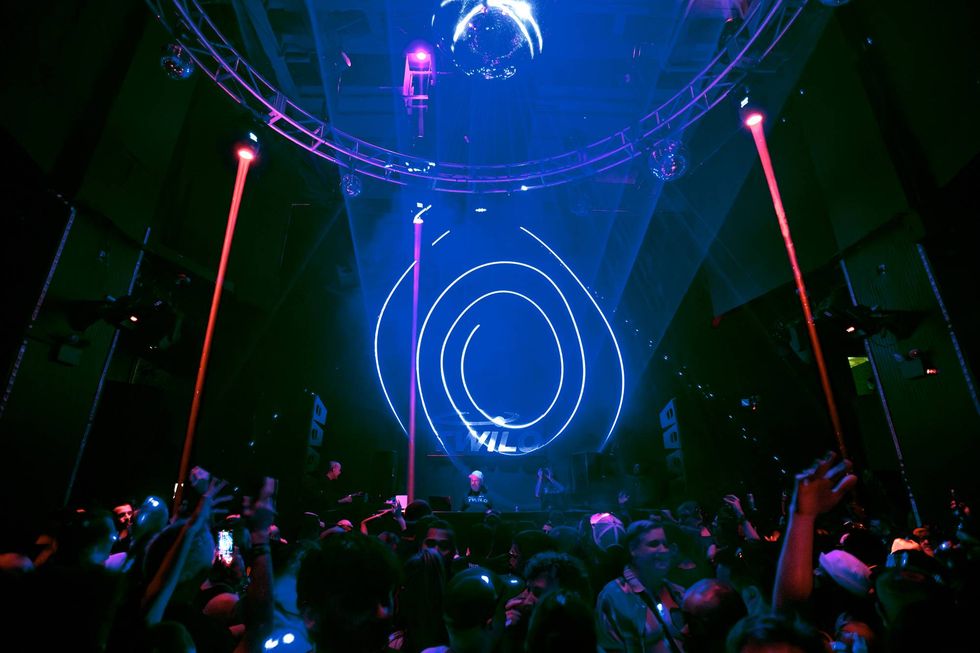
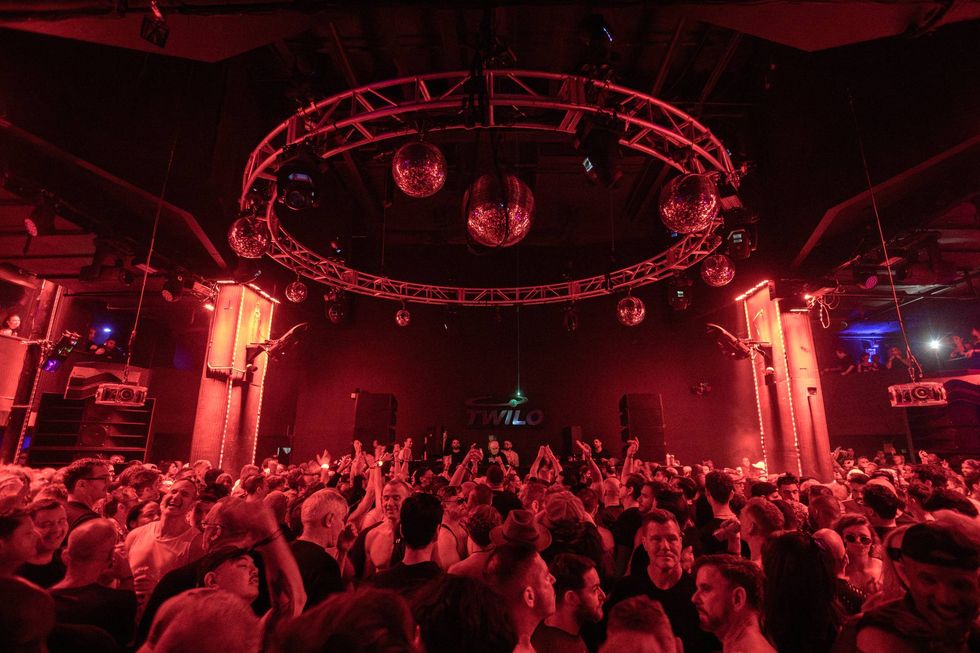
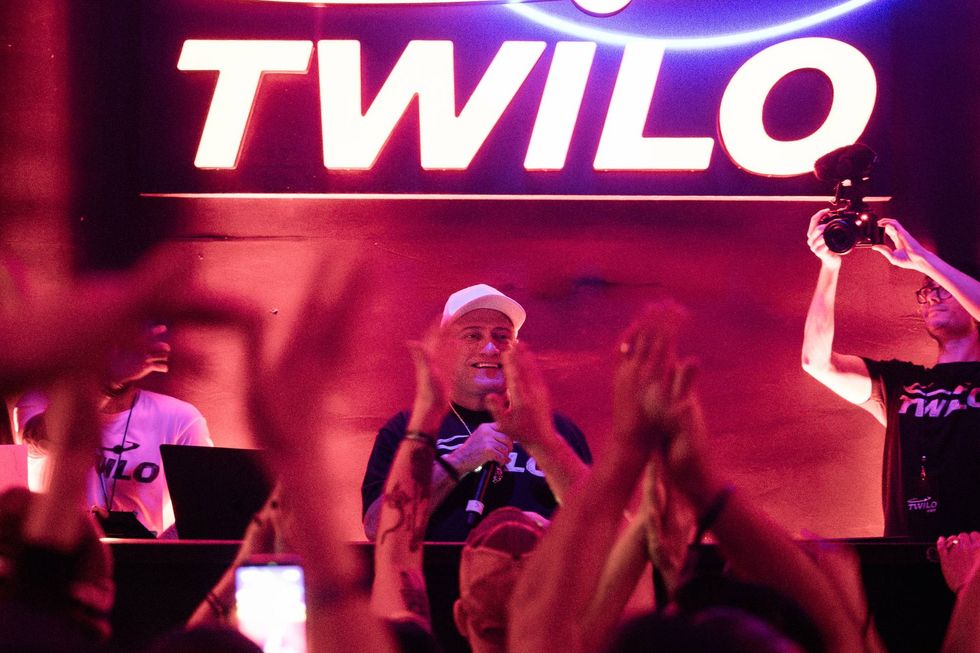
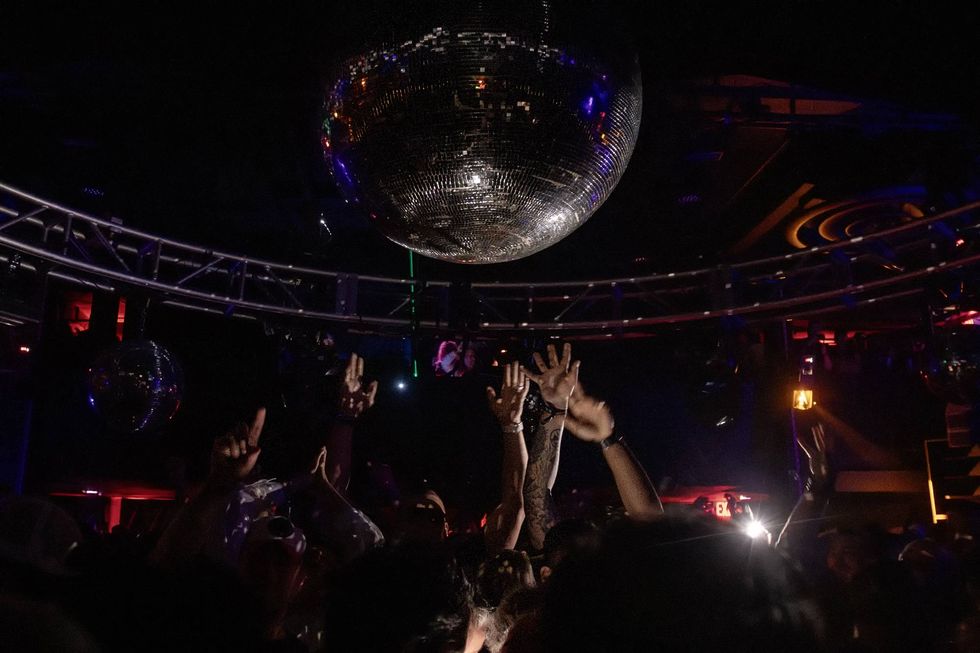
During Twilo’s run, the club was beloved for its massive sound system and all-night sets from resident DJs like Vasquez, tribal house pioneer Danny Tenaglia and beloved progressive house duo Sasha and John Digweed, who were, by many metrics, the most famous DJs in the world at that time thanks to the success of mix CDs like Northern Exposure and Renaissance. There were few better places to dance in New York. “It’s a big, bare, ugly black box of a club with nothing but the famous giant glitter ball and a few balloons for decorations,” one old Mixmag review of Sasha and Digweed’s residency read. “3,000 people make it into Twilo tonight, 1,500 are turned away.”
Everything in Twilo, from the dancers, to the music, to the enormous room, felt like an anachronism in New York’s current nightlife landscape. The people who formed a line around the corner before doors opened on Friday night kept the dance floor full until the lights went on, an impressive feat of commitment from this particular room of dancers. (No disrespect intended.) Saturday’s crowd expanded and de-aged slightly, thanks to Brooklyn circuit royalty The Carry Nation’s participation in a second floor extravaganza, but the party still raged thanks to the dedication of the club’s old guard.
Though Twilo’s original Phazon sound system couldn’t be revived for the night, Danny Tenaglia’s famed STAX sound system got the job done well enough. Even though it lacked the clarity of the original Twilo system (it's said that you could have a full conversation at normal volume while standing in front of a subwoofer), the room was so loud that a strong bass hit felt like hot lava was coursing through my insides. Even the dancefloor, that massive ugly black box, instilled a sense of awe-shocked wonder.
I’d been transported into a museum piece, a relic of yesterday.
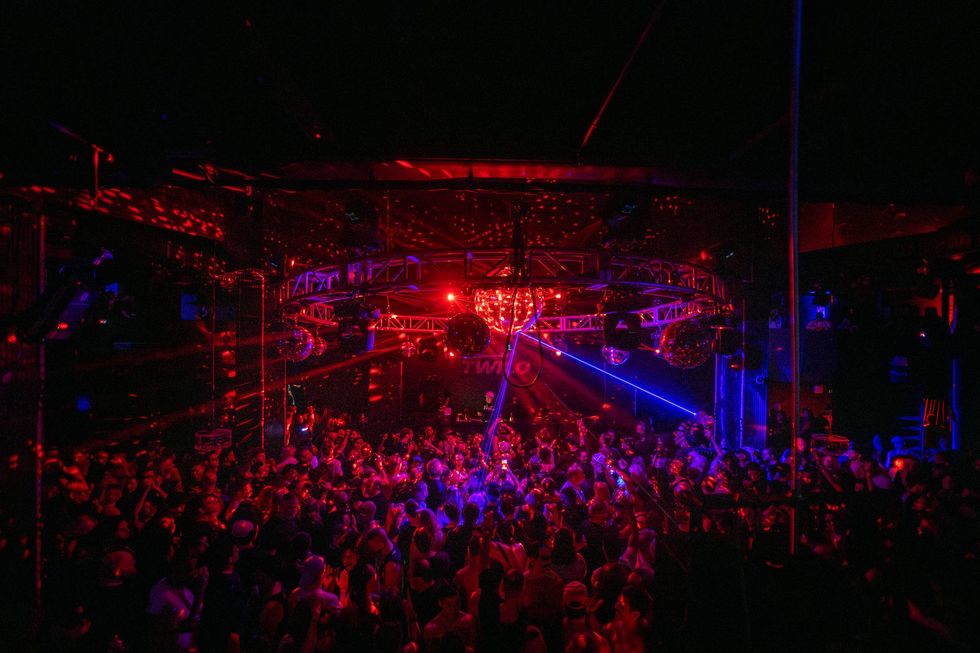
Though their influence looms large on nearly every corner of electronic music today, Danny Tenaglia’s tribal beats and John Digweed’s progressive house aren’t exactly en vogue in New York right now, which made their return to the club ever more a rare excitement for their former dedicants. The club’s sound system enabled Tenaglia and Digweed to return to the famed Twilo sounds, which prioritized minimal but rapturous beats played with no relief over several hours. Their marathon sets were signatures of the post-Paradise Garage period of clubbing; one DJ played God for an entire night while their dancers followed them faithfully. At one point, Tenaglia kept little more than a driving 909 kick and a sample of New Order’s “Blue Monday” on loop for five minutes. “How does it feel?” Tenaglia asked the crowd via Bernard Sumner’s booming voice.
At the end of each night, Danny Tenaglia asked who in the crowd had been to the club previously, to which a strong majority raised their hands and cheered. For them, this reunion was less about nostalgia and more about revisitation. The weekend buzzed with people wondering whether they’d bump into old friends or lovers, scouring the club to identify changes and remnants of the place they once loved. On both nights, the dancefloor packed in and did not budge for a second. Many had flown in from out of town just for the reunion and seemed hell bent on dancing from open to close. There was a total lack of nose-thumbing for the newcomers, who were embraced with a palpable excitement.
It was as if the club was saying: “I can’t wait for you to see what you’ve missed.”
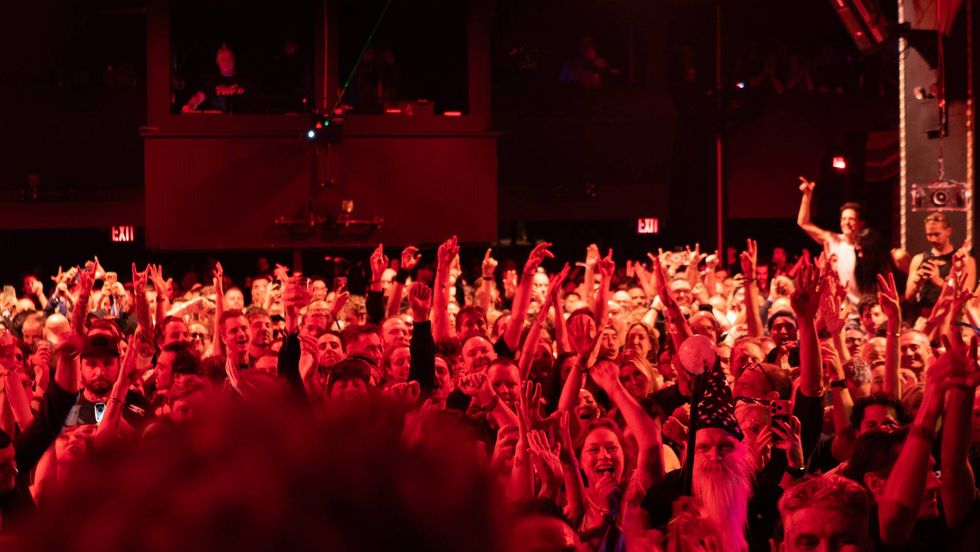
But there was a palpable uncanniness to the weekend, like the club had been revived with a different personality. For one, it was surprising that the lights went on right at 4 a.m., considering Twilo’s reputation as an after-hours spot during its heyday (which was even earlier on Saturday considering Daylight Savings). One dancer yearned for the club’s iconic Cryo-Jet, which filled the room with a cold smoke whenever it got too hot. Ten hours of Danny Tenaglia also begged for a little more nuance in Twilo’s long history. It likewise seemed like a missed opportunity to present Digweed without Sasha, who were inseparable during their tenure during the club’s original run. And considering the recent vogue of ballroom house, perhaps the largest shadow cast on the weekend was Junior Vasquez, the other major face of Twilo who had his own DJ booth in the original club.
But some things never change: when I asked a bartender for free water, he presented an $11 can of Liquid Death, and scoffed when I declined his offer.
Mulling on the future of Twilo, Danny Tenaglia announced that he hopes the club could reopen “at least once a month?” In a perfect world, the space would be much welcomed in the deserted Manhattan dance music scene, but there was an undeniable reality that Twilo’s reunion was so successful thanks to, and not in spite of, the novelty. It’s difficult to imagine the crowd making it out to the nightclub even annually, let alone going along with its all-nighters. And the club could not be on a more belabored backdrop. Twilo is now accessible via the High Line, the haute elevated park that marked a turning point for Chelsea’s landscape. Its neighbors include the corporate headquarters of BlackRock, the world’s largest asset management firm, and the Vessel, an architectural behemoth best known for the people who’ve leapt off it; not exactly prime real estate for a massive nightclub.
For two nights, Twilo performed the perfect illusion, staging an anachronistic microcosm of a bygone New York, a delirium of excitement that benefitted from novelty, historicity and loyalty. A consistent revival would almost immediately sully that goodwill. We could be heroes, just for one day. Twilo rests better as a relic of the past, a secret invocation for those who were lucky enough to dance on its floors.
Photography by Yuliya Skya and Trel Brock