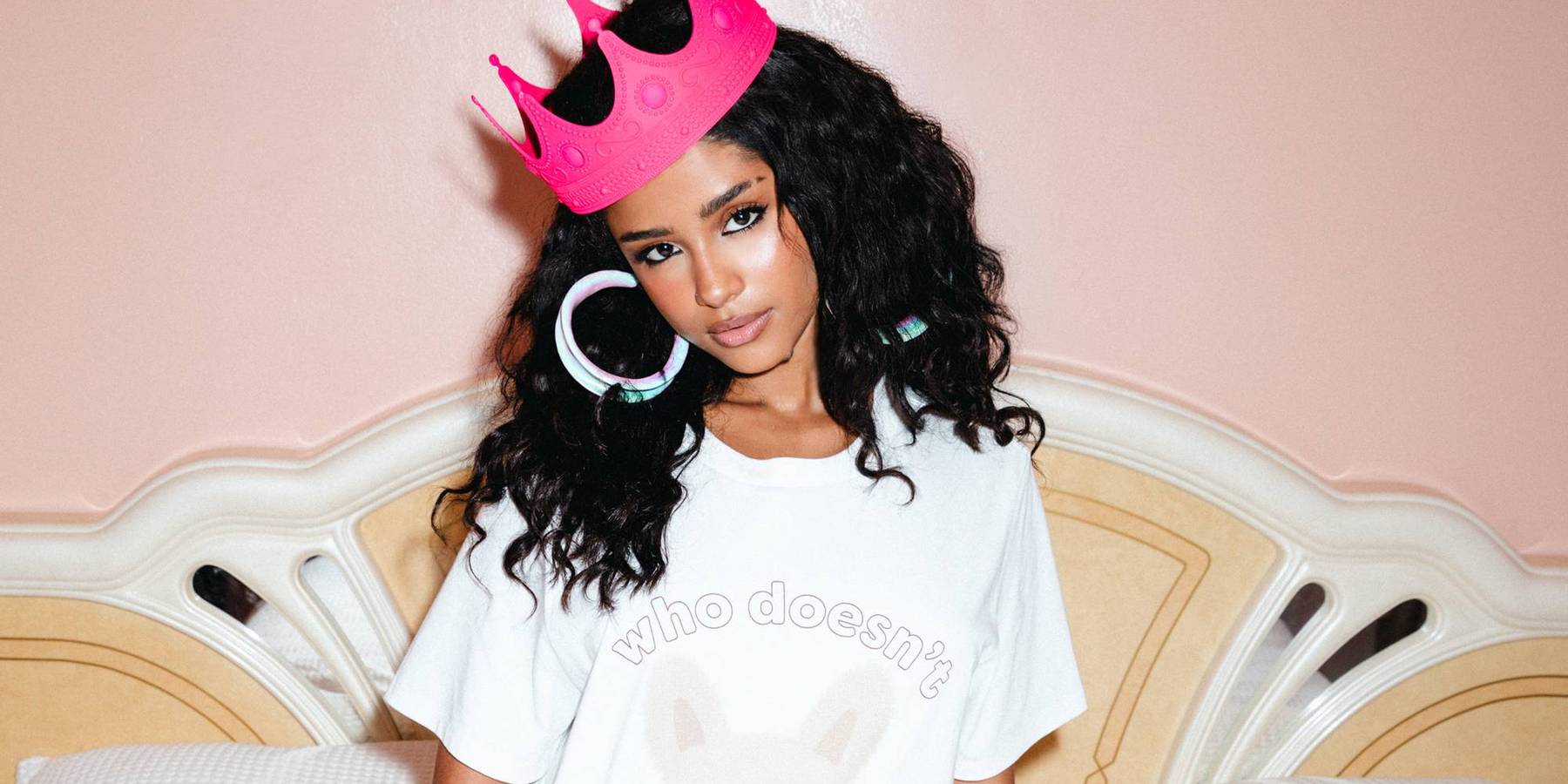
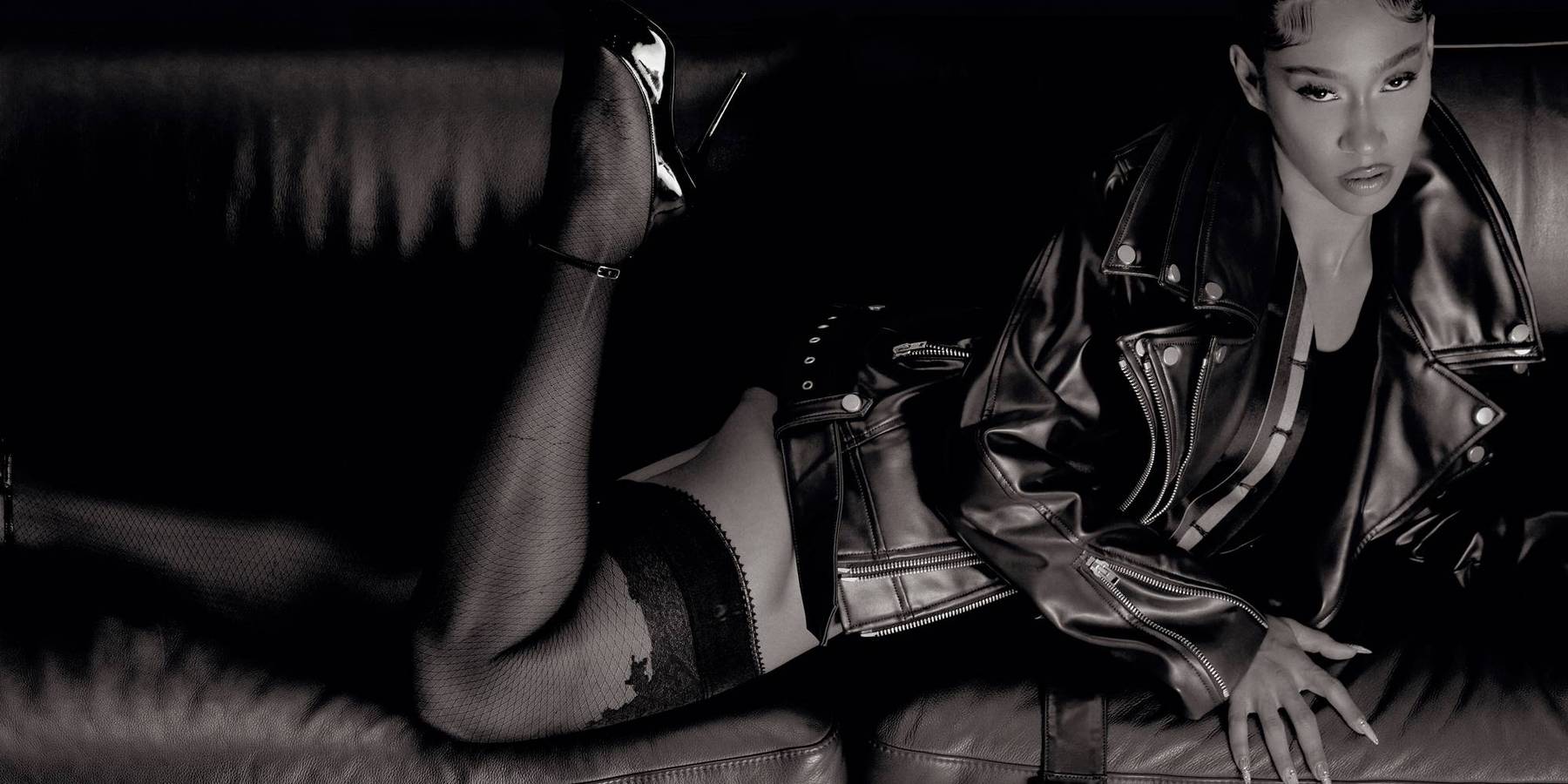
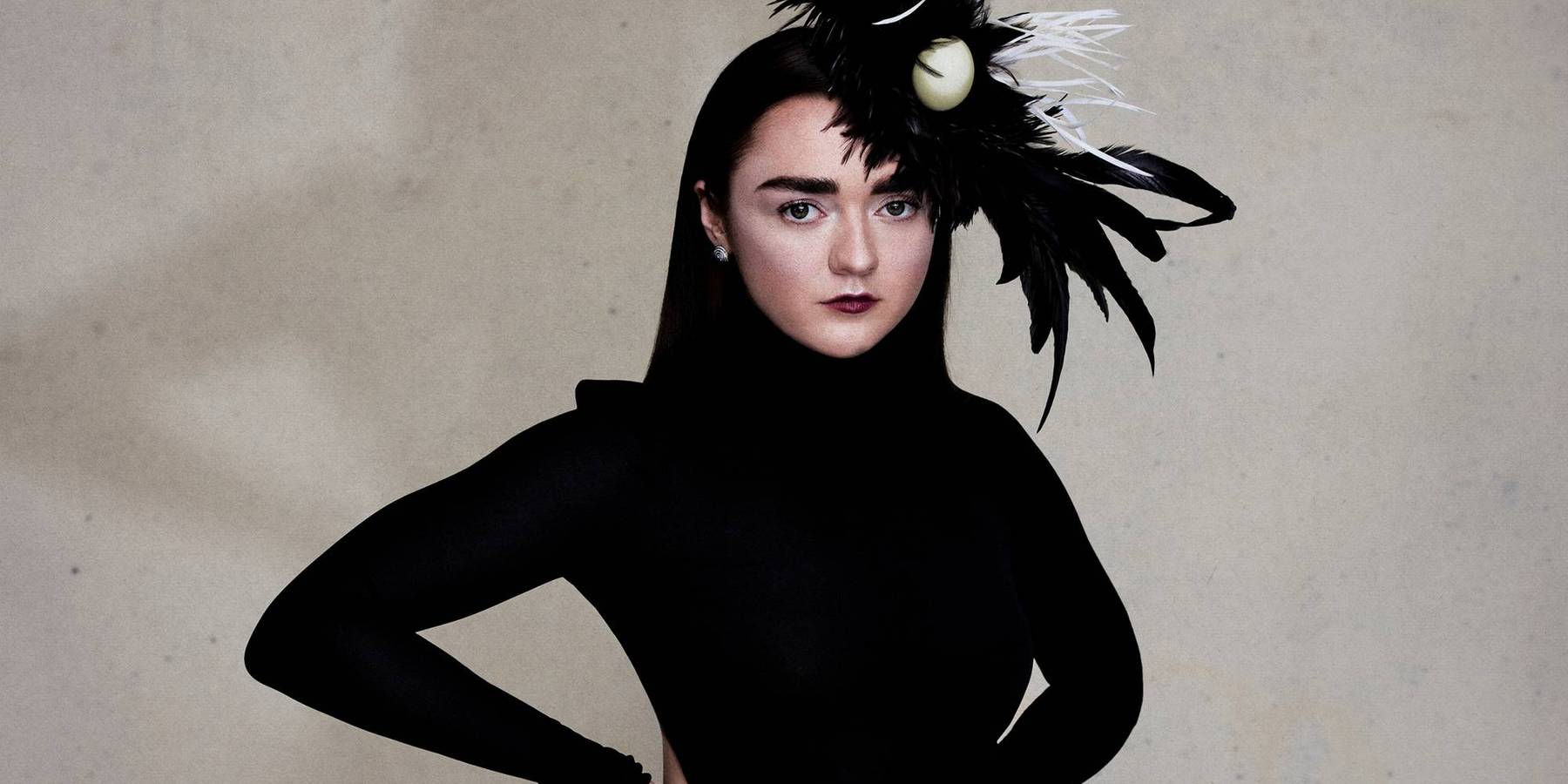
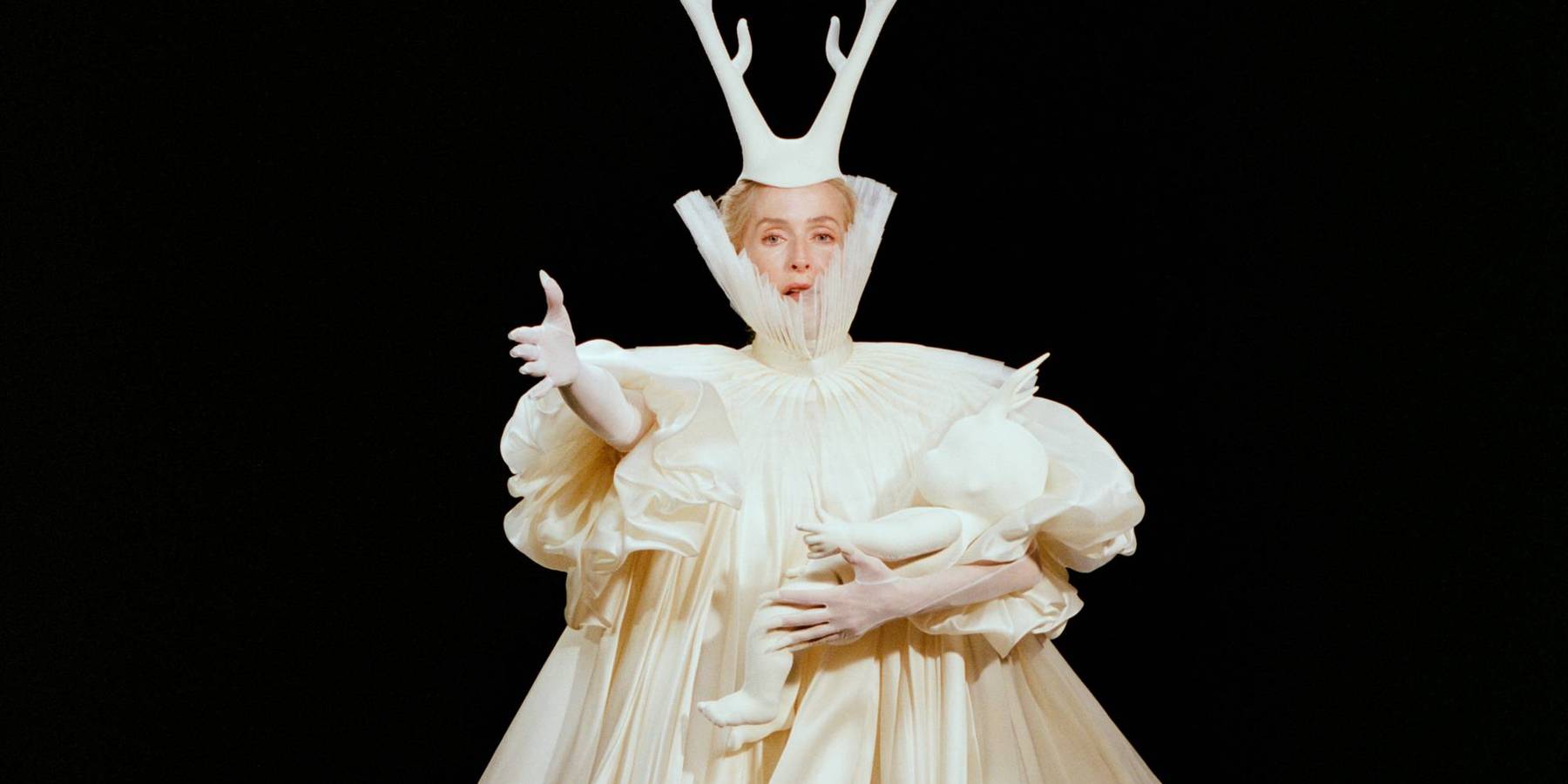
Satchel Lee is building an artistic practice that is distinctly her own. Though she comes from a family with a formidable reputation in American visual arts (her father is director Spike Lee), her work as a photographer and filmmaker is less concerned with legacy than with performance: our everyday rituals of normalcy, the expectations of respectability, and the ways Black Americans must learn to navigate public life. After beginning her career as a portrait photographer for fashion publications, Lee has increasingly turned toward fine art; last fall, she presented her debut solo exhibition, Where We Find Ourselves, at Houston's Freedmen's Town Visitor Center. The exhibition centered on Freedmen's Town, the historic neighborhood founded in 1865 by formerly enslaved African Americans. As much of the town has either been gentrified or fallen into disrepair, Lee’s photography exhibition explored the tensions that arise from cultural erasure. In her show, she recreated miniature models of significant buildings in Freedmen’s Town and photographed them against black backgrounds; in doing so, she reframed these dilapidated structures as historical monuments, asking viewers to consider what we choose to preserve and remember. Following the exhibition’s success, Lee sat down with PAPER to talk about her artistic process, why she decided to enter the fine arts landscape, and what she hopes viewers will take away from her work.
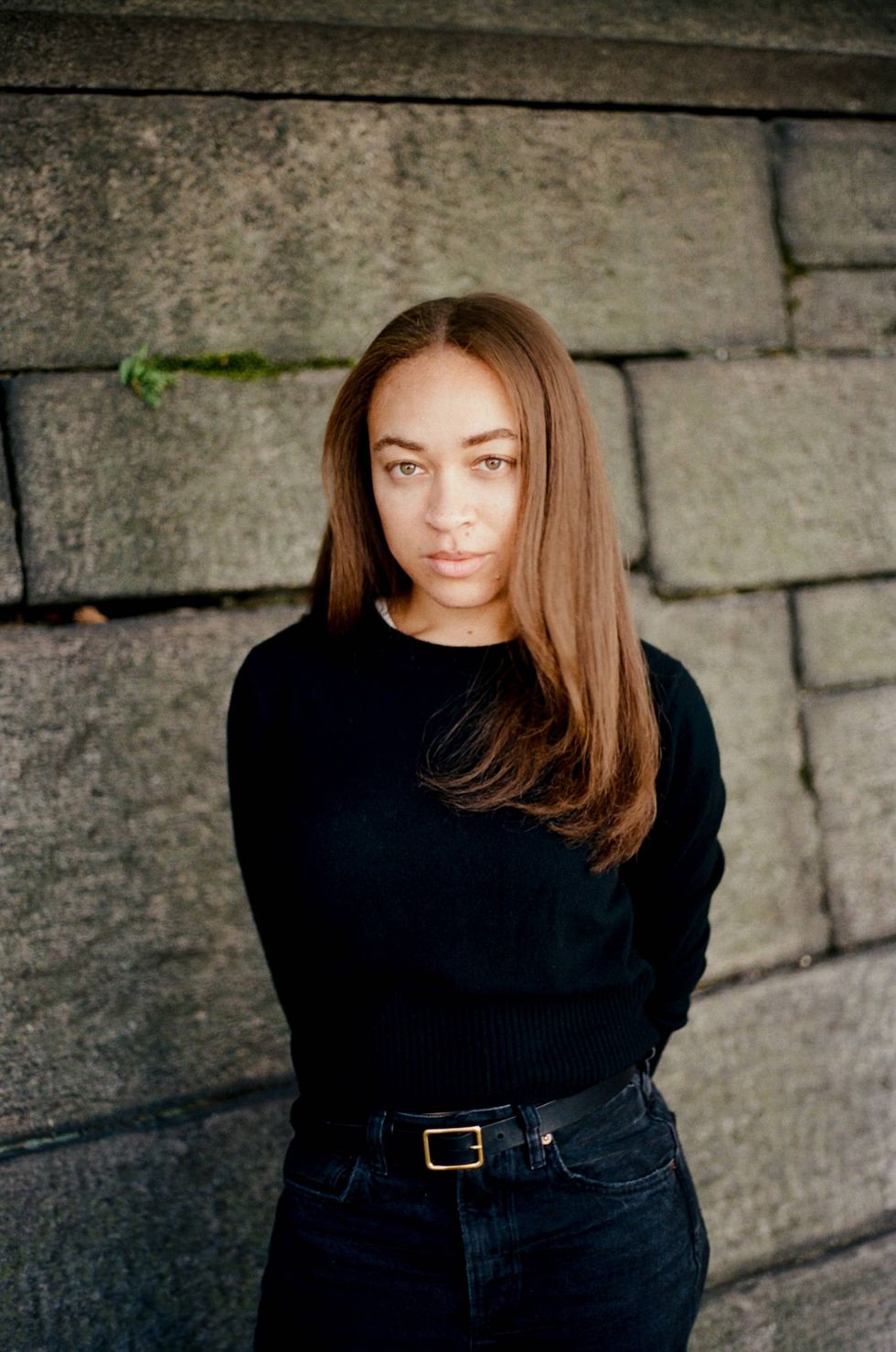
Much of your photography centers on Black American life. That's the world you grew up in, so it makes sense that it's close to home. When adding to the expansive canon that is African American art, what do you want to show about Black life in America that is unique to your eye?
My work is celebratory. I'm really proud of who I am, where I come from, and the long lineage I'm part of. At the same time, I'm interested in performance, as in how we perform in life. "Critical" isn't quite the right word, but I'm thinking a lot about the ways we perform in society. That's not unique to Black people, but it's something I'm especially interested in within Black life. I'm interested in family and community, but also in how we police ourselves and shape how we want to be seen. I'm not necessarily criticizing that. It's simply a truth I'm trying to put on display.
What do you think about Black life as performance, or life itself as a performance?
Growing up in a Black family — and I think a lot of people would relate to this, especially those from upper-middle-class backgrounds — respectability politics are always somewhere in the back of your mind. There's this pressure to appear a certain way, to embody the image of the perfect middle-class Black family. That leads to a lot of self-editing. It's not that you can't be authentic, but you learn that your authenticity may not always get you where you want to go. I'm questioning that idea.
It's something I'm thinking about in my own life, too. I barely post on social media because I'm always wondering, What am I supposed to post? What's the right thing? Truthfully, I don't know. I want to be a little more of a freaky weirdo.
I say, let the freak flag fly. What aspects of Black upper-middle-class life do you think people feel most compelled to project? How do they want to be seen?
The expectation is that you're educated, well put together, that you've done everything "right." Those are the societal parameters, and there's a weight that comes with staying inside them. It's deep. It can even be a life-or-death situation. It's this idea of, like, "Fix your face." I think that's something that a lot of Black people will have heard growing up. As a child, you're sad. You're crying. "Fix your face. Perform this idea that you are all right." Don't dwell on what's really happening because you have to keep moving forward.
I think that's generational, too. I'm interested in interrogating that instinct. When is it helpful? When isn't it? How do we navigate it in healthier ways?
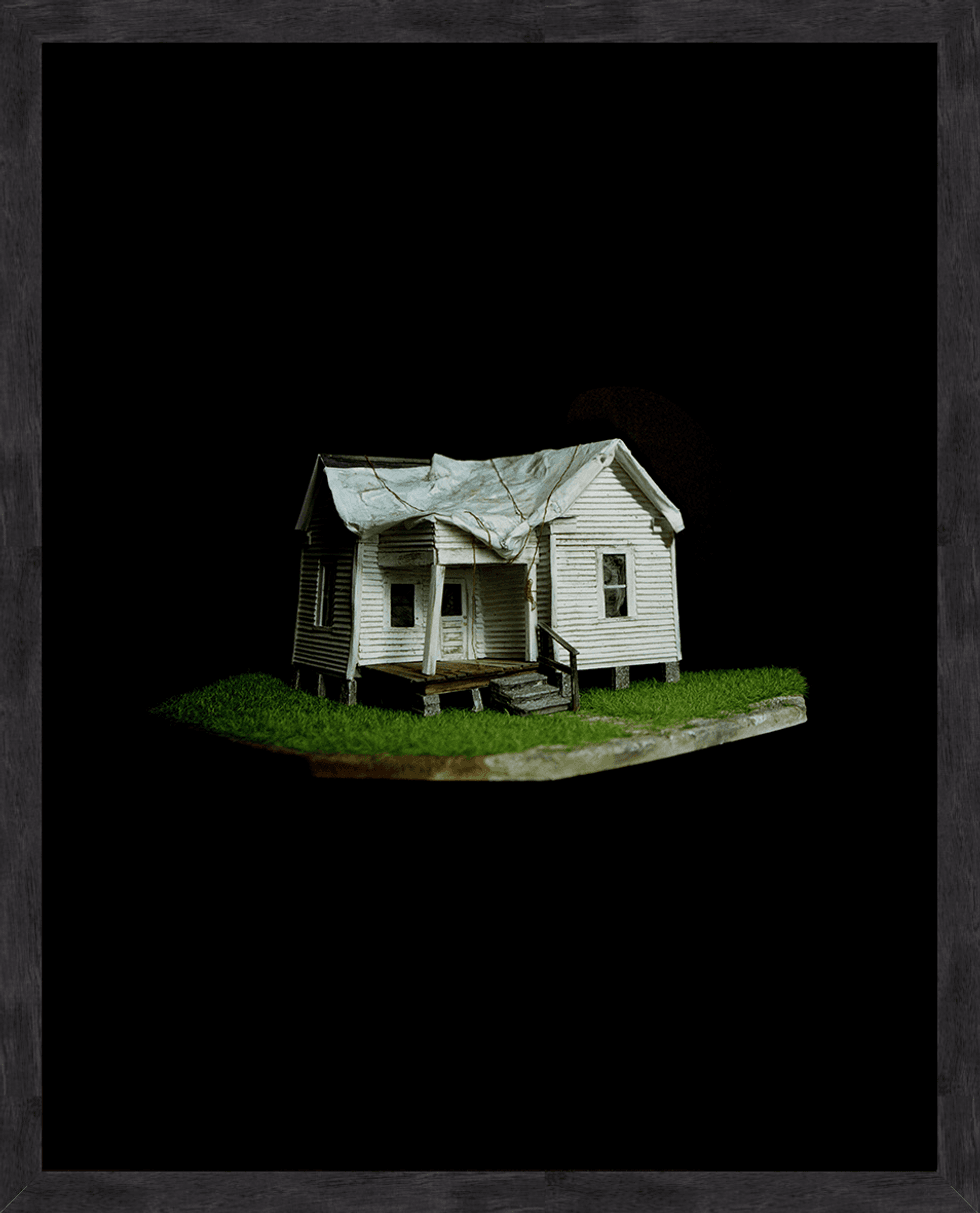
She Had Land And It Still Stands (Isabel Simms House), 2025 Satchel Lee
Where We Find Ourselves focused on Houston's Freedmen's Town. Could you imagine doing a similar project around other historically significant Black sites?
Absolutely. I spend a ridiculous amount of time in Central Park, and I've been thinking a lot about Seneca Village. It's funny — I was talking to a friend yesterday who lives in the Bronx. She had just learned that Van Cortlandt Park was a plantation until after emancipation. New York, and the Northeast in general, does a really good job of quieting its history in a way that's really interesting. If you go to the South, the history is often much more visible. There are plaques and markers acknowledging what happened there. New York has this sense of moral superiority about its relationship to slavery, but that's not the whole story.
Seneca Village was a free neighborhood, right? Obviously, it's been completely decimated to make Central Park. There are a few plaques now, but most people don't really know its history or think about it. The same is true of Van Cortlandt Park: the lake there was hand-dug by enslaved people. I think there's still so much to uncover about New York's history of slavery and Black life. I'm interested in exploring that. I just don't know what form it takes yet.
Does working in fine art give you more freedom to explore those ideas than magazine or fashion photography did?
I think so. I think there's more of a license, or at least I feel that there's more freedom. I don't know. I like fashion editorial stuff. It's exciting. It looks nice. You have a better chance of storytelling. However, I'm drawn to the openness of still photography. With a single image, or just a few images, viewers bring their own experiences to the work. They create their own narratives.
I don't want to be overly prescriptive. Every photograph is shaped by the person looking at it: their background, their experiences, the way they've moved through the world. I love the idea that the work becomes a mirror for the audience. Especially when you have photographs with Black people in them, people are going to read them very differently across the board. That's always fascinating to me.
I like that idea of the work becoming a mirror. Do you hope people see your work and reevaluate themselves?
Not necessarily. I'm less interested in telling people how they should see themselves than I am in seeing how they read the work. The way someone interprets an image tells me something about how they move through the world. Everyone brings their own upbringing, community, media, and experiences into that process. That's not for me to judge. I'm not in the business of telling people what they should do or think or how they are. My responsibility is to present my perspective and my experience. If people connect with it, that's great. If they don't, that's okay too.
I've shown the same photograph to different people and received five completely different interpretations. Those readings reveal as much about the viewers as they do about the image itself. I think that's fascinating.
As an artist, I do think that once your work is in the world, it takes on a life of its own. Some artists have a very specific message they want to communicate or a particular change they want to bring about, and I respect that. For me, though, I'm interested in creating work that remains open. I want people to bring
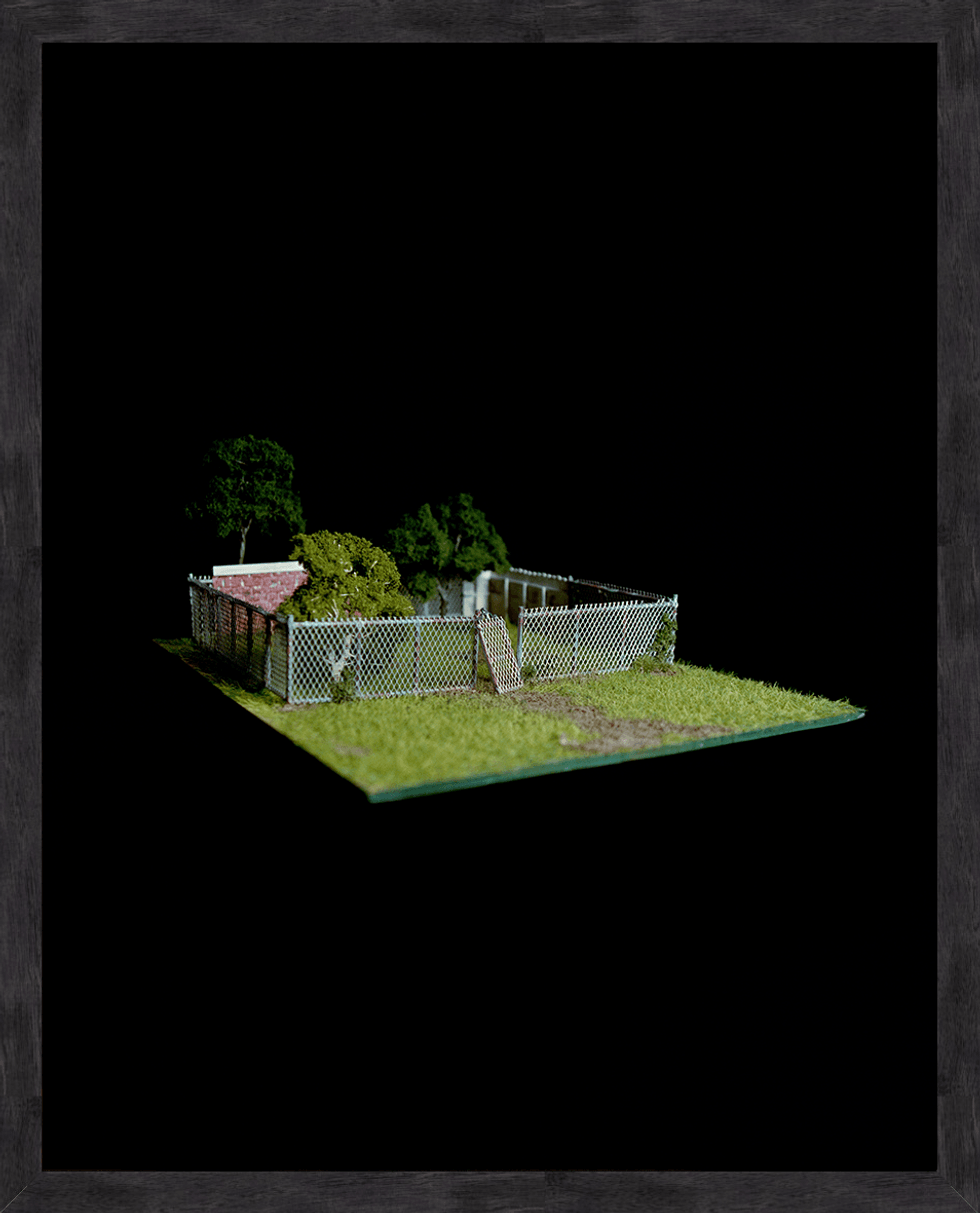
Groundwork Left Behind (Jack Yates House - Empty Plot), 2025 Satchel Lee
Photography courtesy Satchel Lee and Juice House