It Is the Year of the Romantic Gothic in Fashion and Film
by Divine AngubuaJan 23, 2026
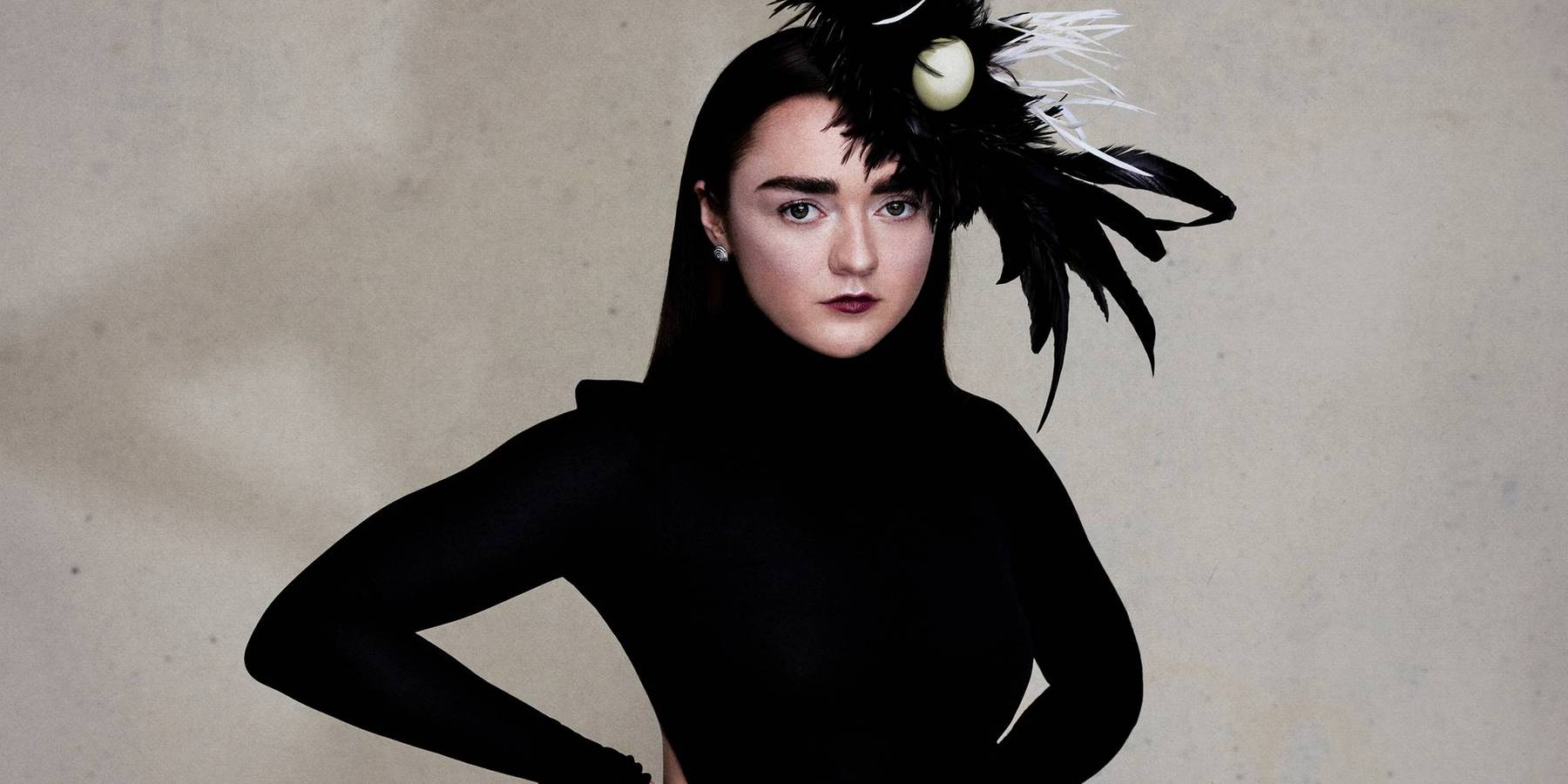
Prada’s Fall 2026 menswear collection arrived in ruins.
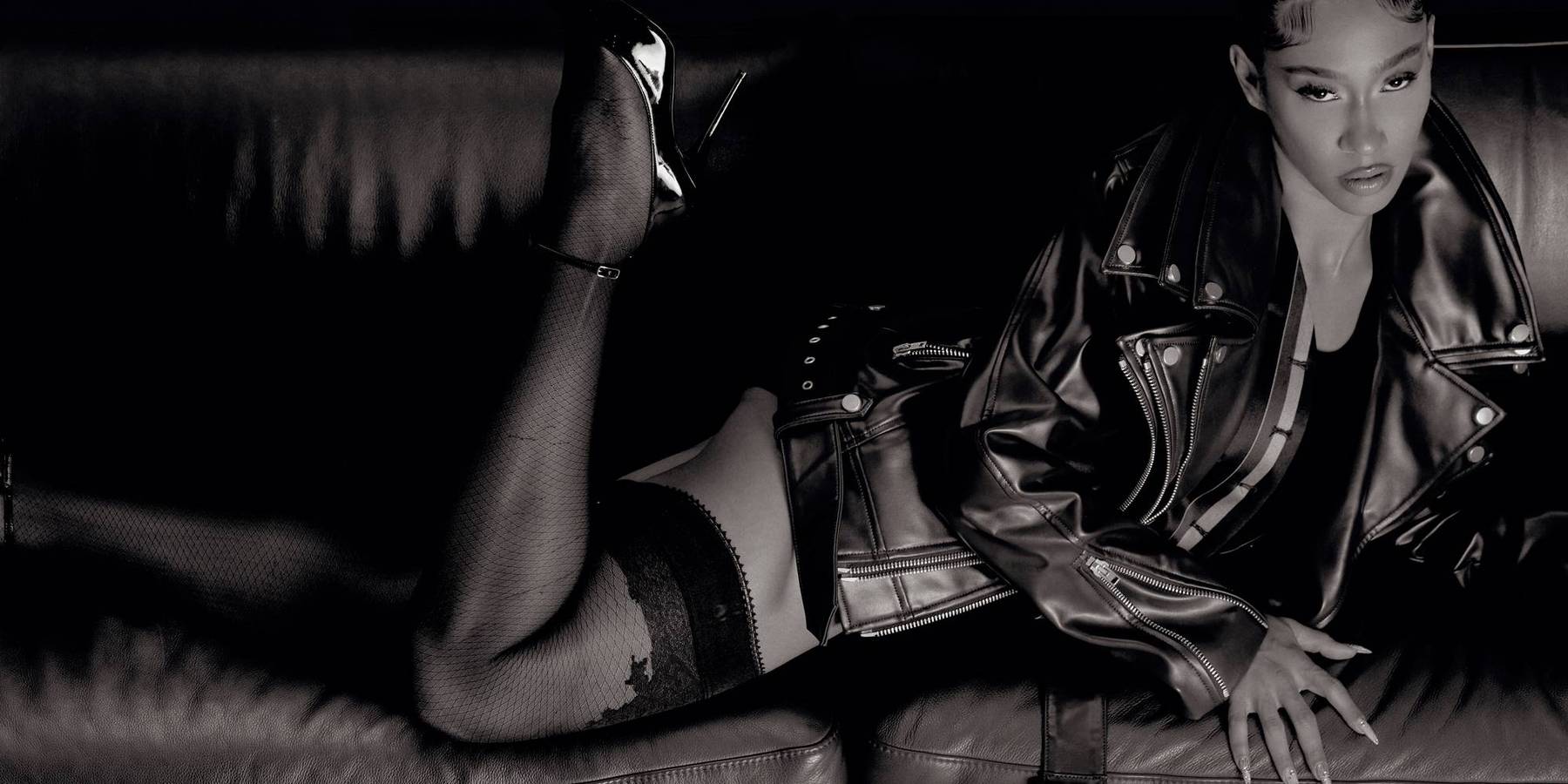
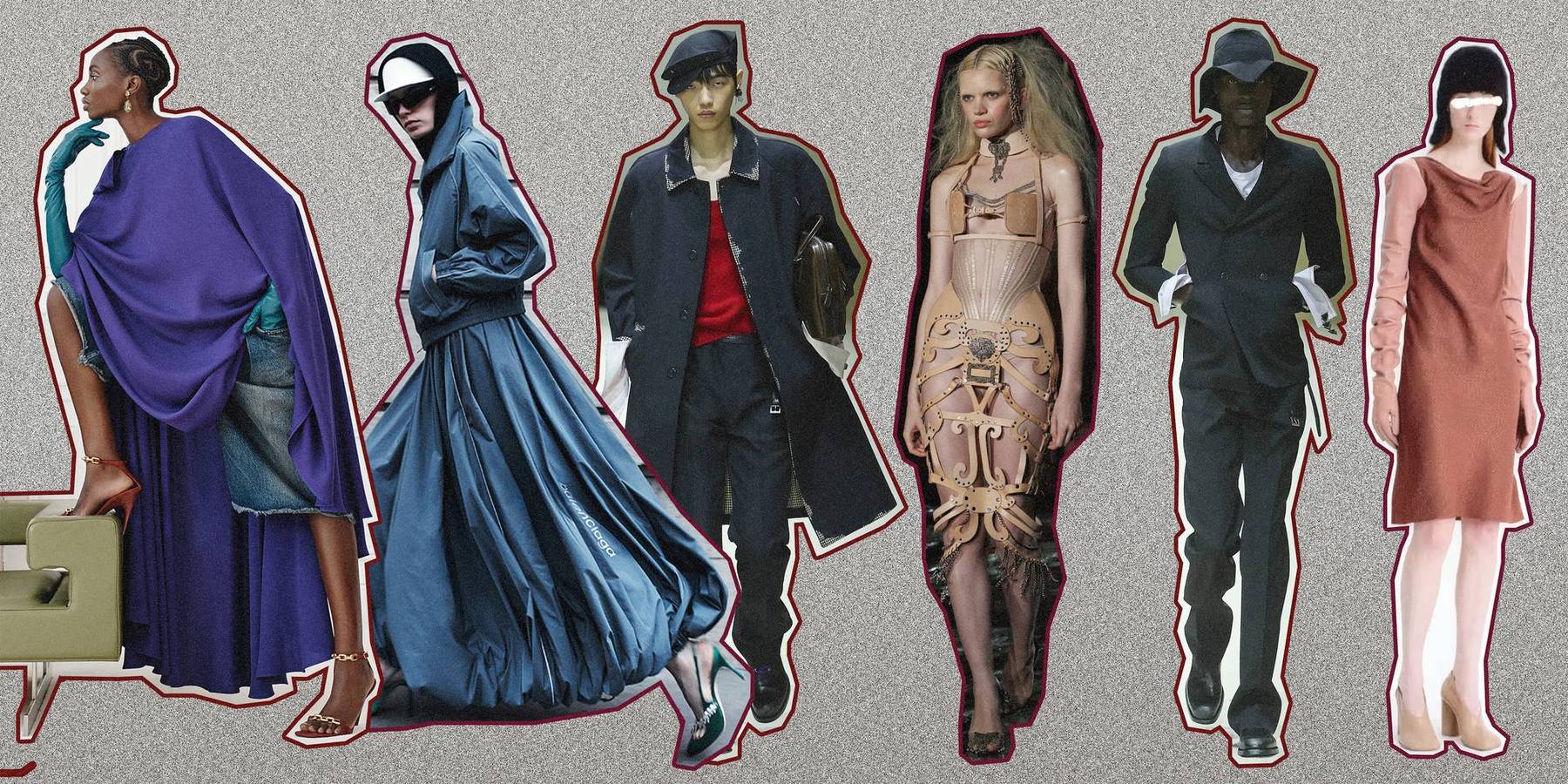
On the runway, several shirts looked visibly mouldy. Cuffs were soiled. Knitwear appeared worn-out and loose on models’ bodies, while several other garments sported wrinkles, folds and creases galore. In Balenciaga’s latest pre-fall lookbook under Creative Director Pierpaolo Piccioli, the house attempted to articulate its new sartorial vision in the shadows of the pop art gimmickery that Demna Gvasalia restored the brand through. See how, in MM6 Maison Margiela’s pre-fall 2026 menswear lookbook, the brand’s subversive edge haunts the classic commercial silhouettes on display rather than explicitly defining the collection.
The ordinariness of a sage green shirt is complicated by its textiling: decadently soft faux leather!
Clearly, fashion — in the industry and the world of pop culture — is experiencing a moment of hauntedness. But why? Coming out of the recent Great Shuffle of creative directors across nearly all the dominant fashion houses, several of the most singular, imaginative collections across the 2026 spring, pre-fall, resort, and now fall seasons are replete with ghosts of both future and past, and aesthetic beauty complicated by material degradation and the destructive process of change.
Certainly, this material and aesthetic symbiosis of seemingly contradictory forces will define this fashion cycle. Think of it as the resurgence of the “romantic gothic.”
Though the year is still new, and the fashion system just launched back into its regular rhythms, these first major collections seem poised to comment on the world they arrived in. In his review of Prada’s Fall 2026 menswear collection, Vogue contributor Luke Leitch identified a “pentimento of suppressed agitprop” lurking beneath the collection’s “beautifully ruined surfaces.” Read as an interpretation of the current moment in fashion and pop culture, various politically charged flares indeed seem to be signalling from within the tight hemline of convention. Dramatic as it sounds, 2026 is looking to be the year of the aforementioned “Romantic Gothic,” and no, random and arbitrary as that sounds, it is not.
From inside the culture industry, these two forces coalesce most evidently in and as the process of great social change. Perceived cultural decline and political strife tip over into the realm of tasteless consumption and banality, and the business and pleasure of luxury grow increasingly besieged by critique. The fashion world, bleeding into pop culture, finds itself expressing glints of this ugliness in the romantic, poetic beauty of clothes themselves. Take, for example, Charli xcx’s transition from Brat’s egalitarian punk ethos to the gnarly poetry and classical rhythms of her music for Emerald Fennell’s upcoming Wuthering Heights film adaptation. In the darkly fey video for the first single, “House,” Charli refrains, “I think I’m going to die in this house,” while wearing custom Rodarte and Yves Saint Laurent spring-summer 2026. Citing both elegance and brutality as overarching themes for this project, these poetically morbid, funereal fashions are both romantic world-building and critical reflection upon a ruined world — a house, if you will.
Exemplarily, Ann Demeulemester’s 2026 pre-fall collection presents ruin as deconstructedness in material and silhouette. Soft fabrics work against industrial boots. Sheer velvet devore gowns work with moody varsity blazers, and the Victorian flourish of trailing lace collars connects them both. Similarly, Yuhan Wang’s spring 2026 runway collection juxtaposed real silver battle armor with flowery lace undergarments, staging and upsetting the gruff masculinity of the late-medieval period on a slight, feminine frame, and the ethos of a feminism originating in the Enlightenment.
In literary theorists Dale Townshend and Angela Wright’s 2016 essay “Gothic and Romantic: An Historical Overview,” they emphasize that the categories of ‘Gothic’ and ‘Romantic’ are neither natural nor self-evident. Rather, they are the “critical by-products of a complex historical process” through which we come to define and categorize not just aesthetics but also time. For example, consider what social factors facilitated Rosalia releasing her album LUX with its saintly, mystical motifs, around the same time the elusive English brand Ponte dropped its spring 2026 collection featuring a nun’s habit cut as a mini dress, and androgynous silhouettes inspired by Joan of Arc.
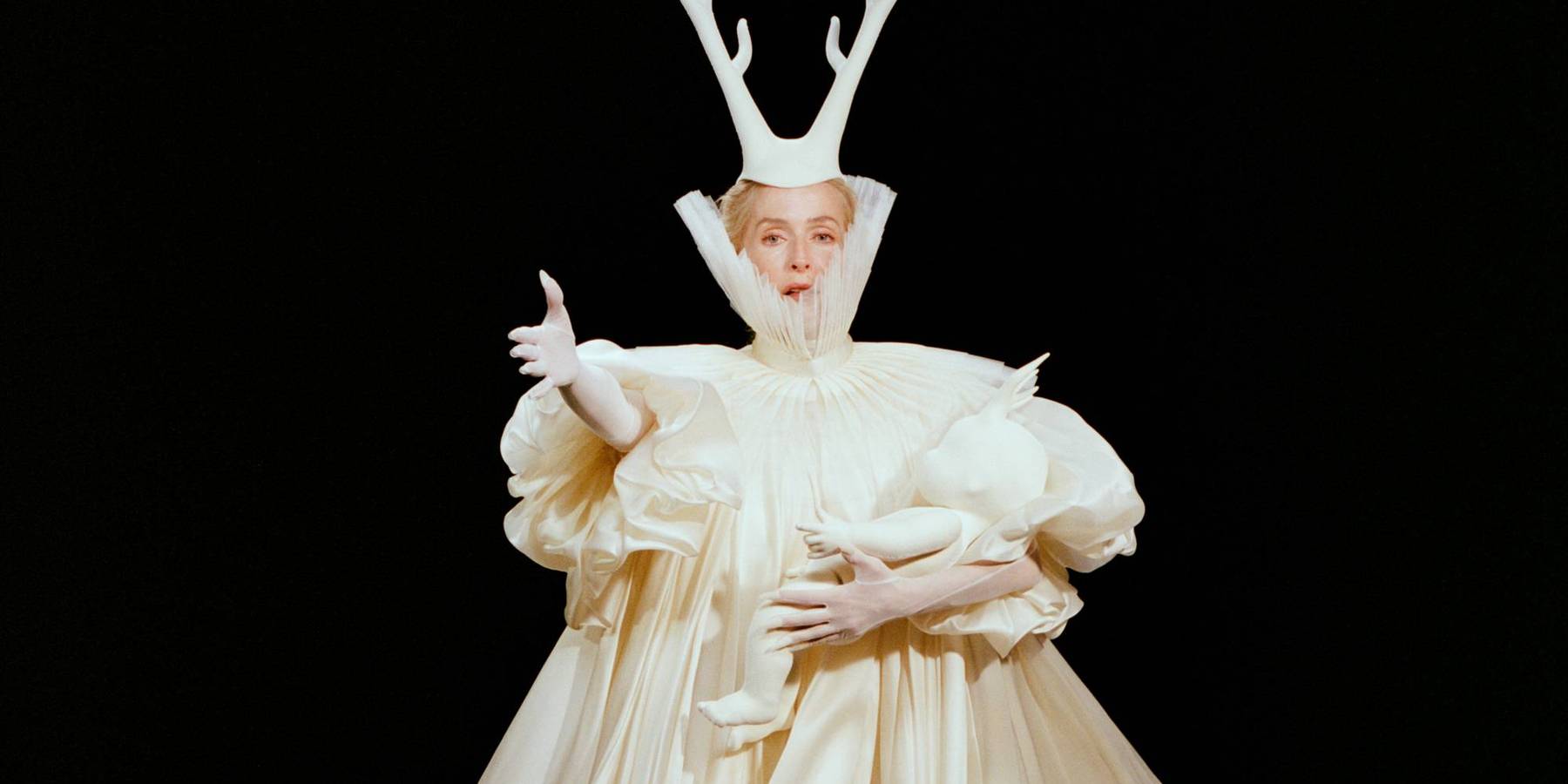
As history progressed past its formation, the “gothic” moniker became associated with ruin, suspense, darkness, fevered political passion and intrigue. Romantic art, however, appeared as nostalgia for innocence, sensuous engagement with the natural world, infusing the sublime into the banal, and the “refined, lyrical outpouring of poetic consciousness” — basically the antidote to the Gothic’s vulgar passions. Where darkness becomes the point from which to project a romantic antidote, Dilara Findikoglu’s spring 2026 runway collection, “Cage of Innocence,” spectacularly opened with a girl being suffocated by a white corset dress, and ended with the character having internalized and repossessed the corset-as-cage, and transformed into her own means of escape: a horse.
In pop culture, following Guillermo del Toro’s critically acclaimed Frankenstein, Emerald Fennell’s adaptation of Emily Brontë’s classic novel Wuthering Heights — slated for a Valentine’s Day release — promises to become another cultural landmark of the Romantic Gothic. Besides the brooding Charli xcx soundtrack, Wuthering Heights, like Frankenstein, grapples with feral, possessive and wounding visions of love amidst prejudice and alienation. Here, on the Hollywood front, the Romantic Gothic positions itself as a mirror against which these impulses may reflect on themselves.
Like one of Findikoglu’s corsets, fashion and pop culture find themselves trapped in the norms that define them. Bursting at the seams, their simultaneous movement towards the ideals of the Romantic Gothic will surely lead into mystery, reinvention even. This is the year of the horse, after all.
Images courtesy of Maison Margiela MM6, Prada, Balenciaga and Dilara Findikoglu