It’s impossible to disentangle New York’s art scene from its queer history. From as early as the 1930s, New York artists such as Paul Cadmus and Jared French were already exploring homoerotic themes in an era of censorship, laying the groundwork for later generations. In the 1950s, queer artists including Jasper Johns, Robert Rauschenberg, and Andy Warhol began slowly establishing themselves as major forces within the art world. By the 1970s and 80s, this gradual momentum exploded into a renaissance of queer art following Stonewall, producing figures such as Keith Haring and Robert Mapplethorpe while transforming downtown Manhattan into a hub of LGBTQ creative life.
Warhol's Factory, located for several years near Union Square, became a gathering place for queer artists and performers. It was where Warhol worked with his iconic transgender "Superstars" including Candy Darling, Jackie Curtis, and Holly Woodlawn, whose influence extended far beyond the art world and into popular culture.
With such an illustrious history, and having produced so many artistic legends, it’s easy to think that the golden era of queer NYC art is over. However, as the modern political landscape sways towards conservatism, New York remains an important haven for LGBTQ expression, attracting queer artists from around the world whose work is as iconic and culturally influential as those that came before them. With this in mind, here are five exhibitions not to miss this Pride Month, celebrating both the pioneers who helped shape New York's queer cultural landscape and the emerging artists carrying that tradition forward.
Hujar:Contact, Peter Hujar at the Morgan Library
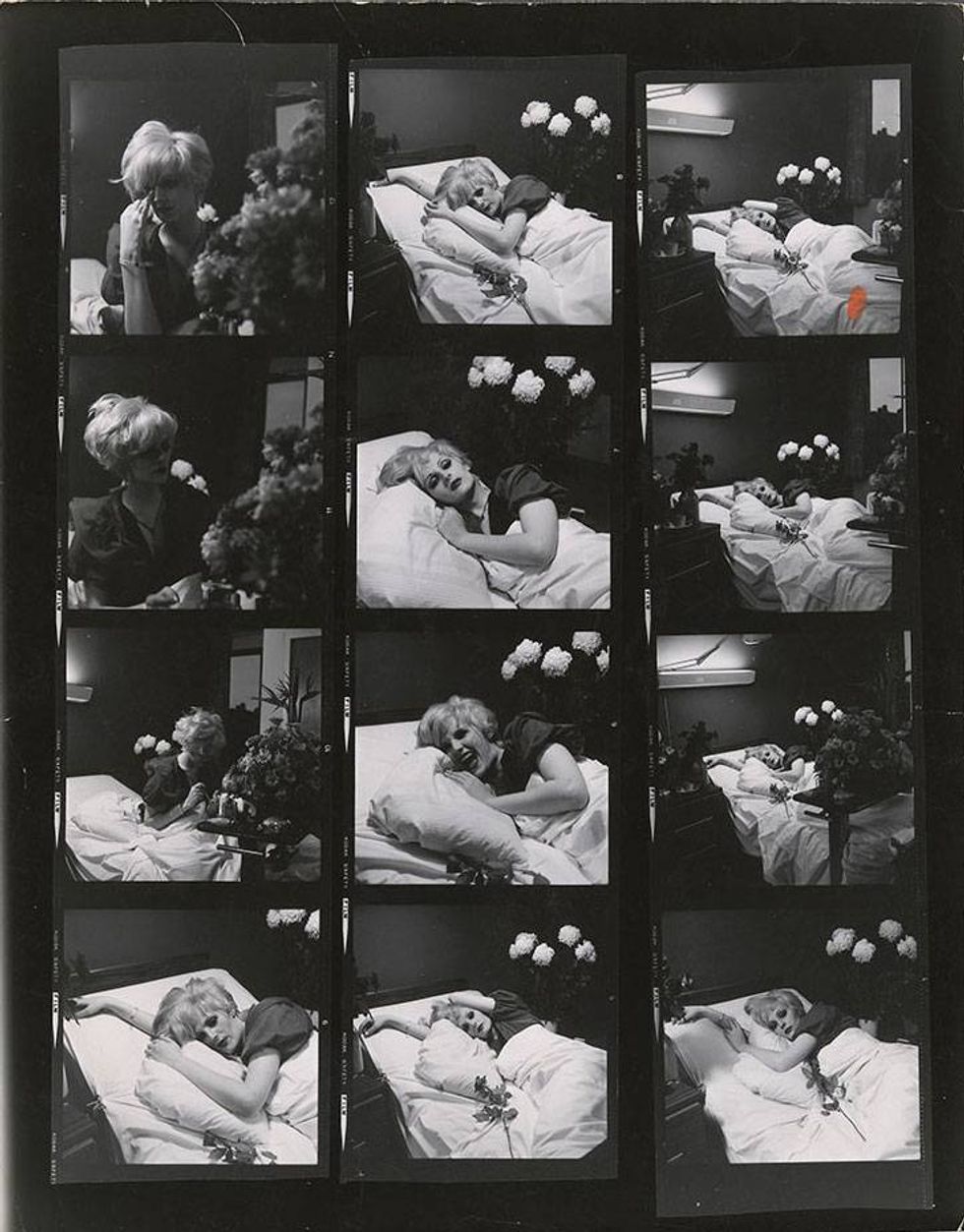
Candy Darling in room 1423, Cabrini Health Care Center, 1973. Courtesy of The Morgan Library & Museum, Peter Hujar Collection, New York purchased on the Charina Endowment Fund, 2013.
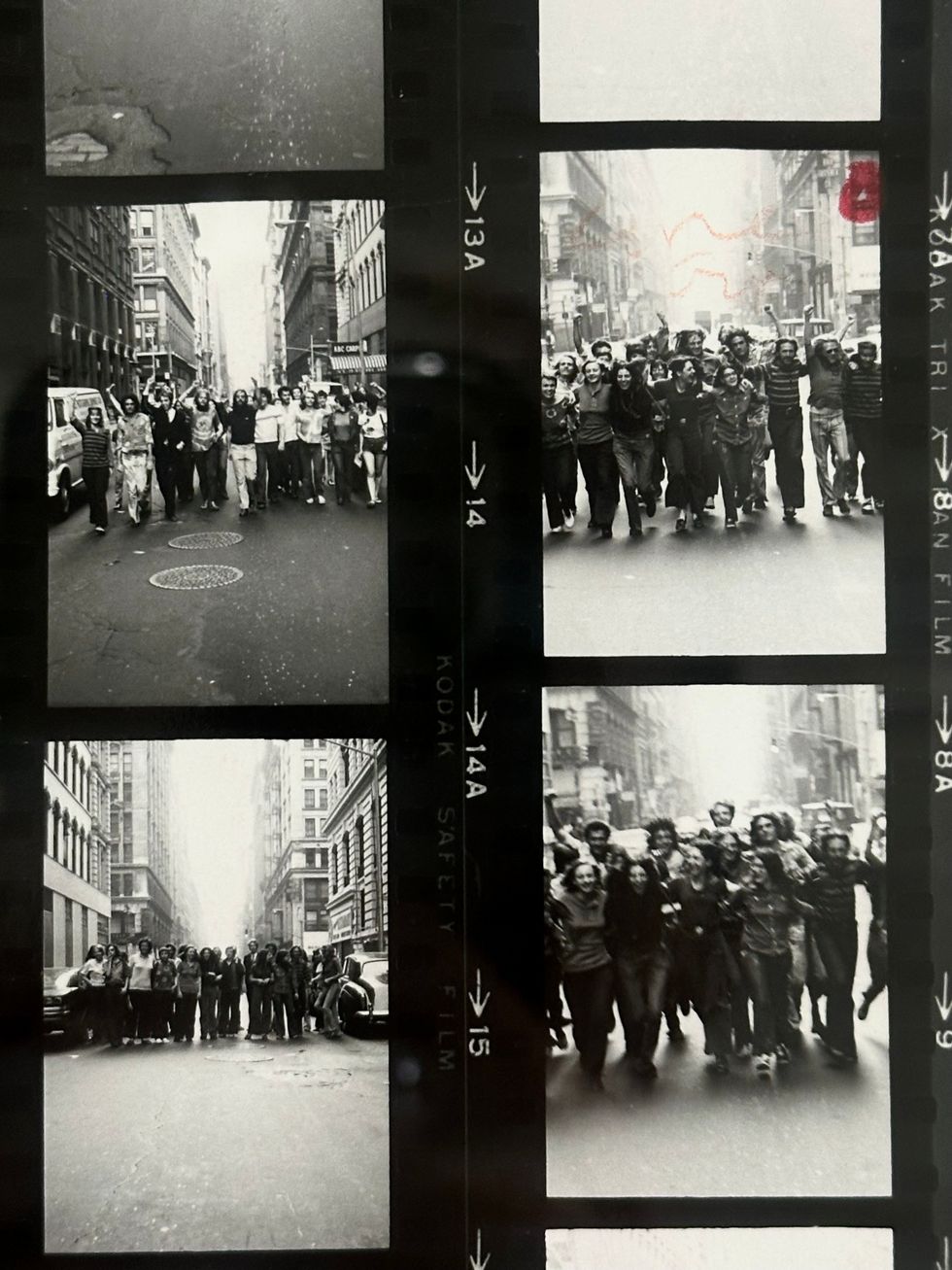
Though Peter Hujar received relatively little recognition during his lifetime, he is now regarded as one of the defining artists of the 70s and 80s, and a pivotal figure in LGBTQ cultural history. Hujar photographed intimate portraits of his friends and lovers, many of whom became icons of queer culture: Marsha P. Johnson, Candy Darling, and The Cockettes are a few amongst many who sat in front of his lens. Hujar:Contact displays dozens of his contact sheets, which he had carefully preserved with the belief that one day, his work would be recognized.
That faith was rewarded after his death, and today his photographs stand as intimate snapshots of the gay liberation era. My personal favorites include a portrait of the beautiful Candy Darling taken right before her death, spread languorously on a bed surrounded by ghostly white flowers, and the exuberant photos from the Gay Liberation Front poster shoot, in which Hujar directed members of the GLF to charge toward the camera mid-motion. Their faces, flushed with excitement, capture a rare sense of queer joy in a period marked by discrimination and repression.
Through his tender and raw photographs, Hujar has created one of the most compelling visual archives of queer New York, making this exhibition essential viewing during Pride Month.
Dream of Vanishing, Paul Thek, PACE
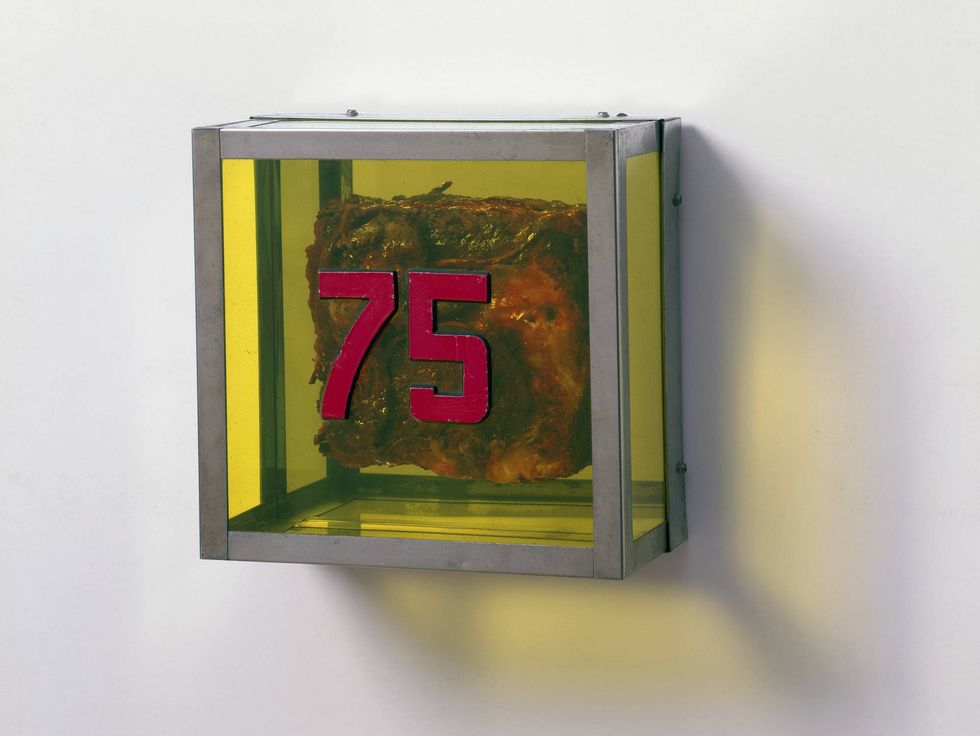
Thek, Paul, Untitled (75), 1964, beeswax, plexiglass, metal, 9" × 9" × 5" , No. 98743. ©The Estate of Paul Thek, courtesy Pace Gallery and the Watermill Center.
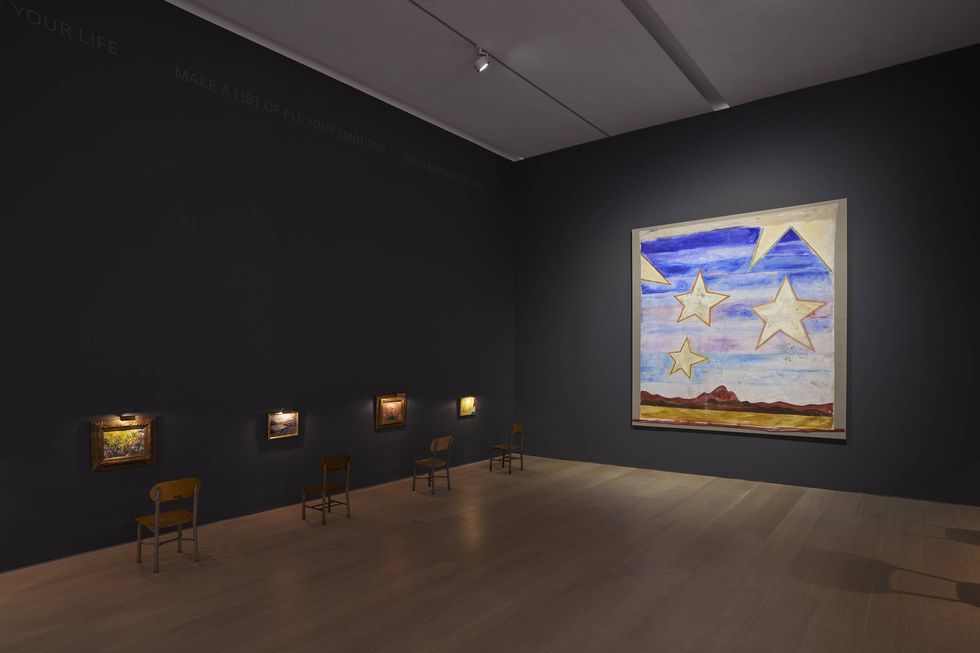
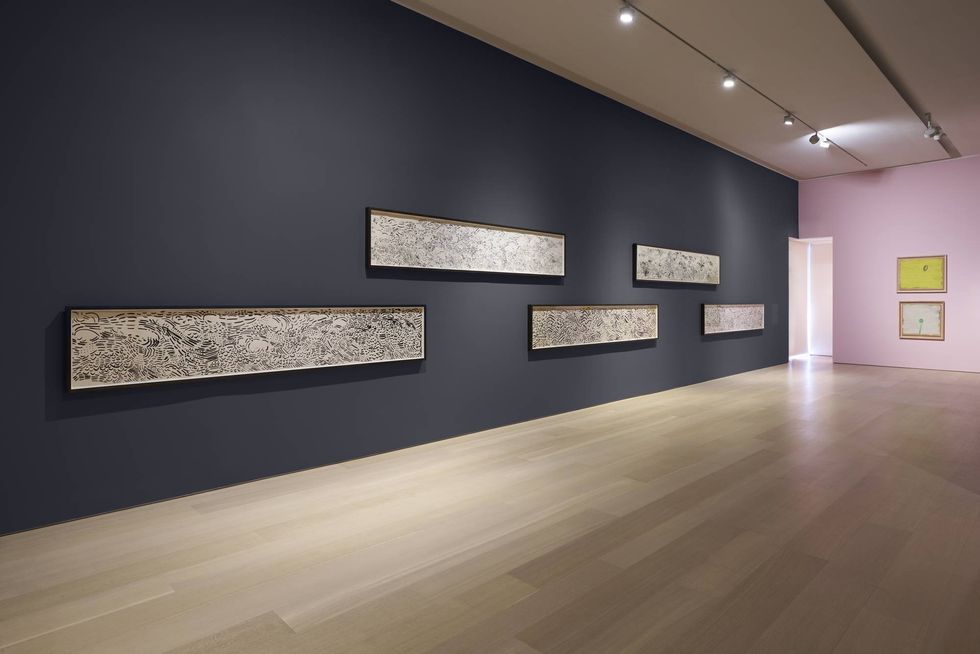
Paul Thek, another fixture of the New York art scene during the gay liberation era, was a close friend and occasional lover of Peter Hujar, though their relationship fractured toward the end of their lives. Thek's famous "meat" sculptures (some of which are on display in the gallery), composed of slabs of wax carefully molded and painted to resemble human flesh, propelled him to stardom in the 1960s. To me, their eerily realistic appearance calls into question the tendency to view the gay body as something gruesome or foreign. He remained a notable figure until his death in 1988, yet afterwards faded into relative obscurity (ironically opposite of Hujar).
Dream of Vanishing, the first major presentation of his work since 2010, highlights his influence as an “artists’ artist”. Center stage are a series of framed miniature paintings hung at knee level, which I had to crouch on the ground in order to properly admire. Coined by Thek as “bad paintings”, their small size was meant to satirize the art world’s short attention span, and force viewers to actively engage with the works.
The Object of Power is Power, Rocío García, Leslie-Lohman Museum
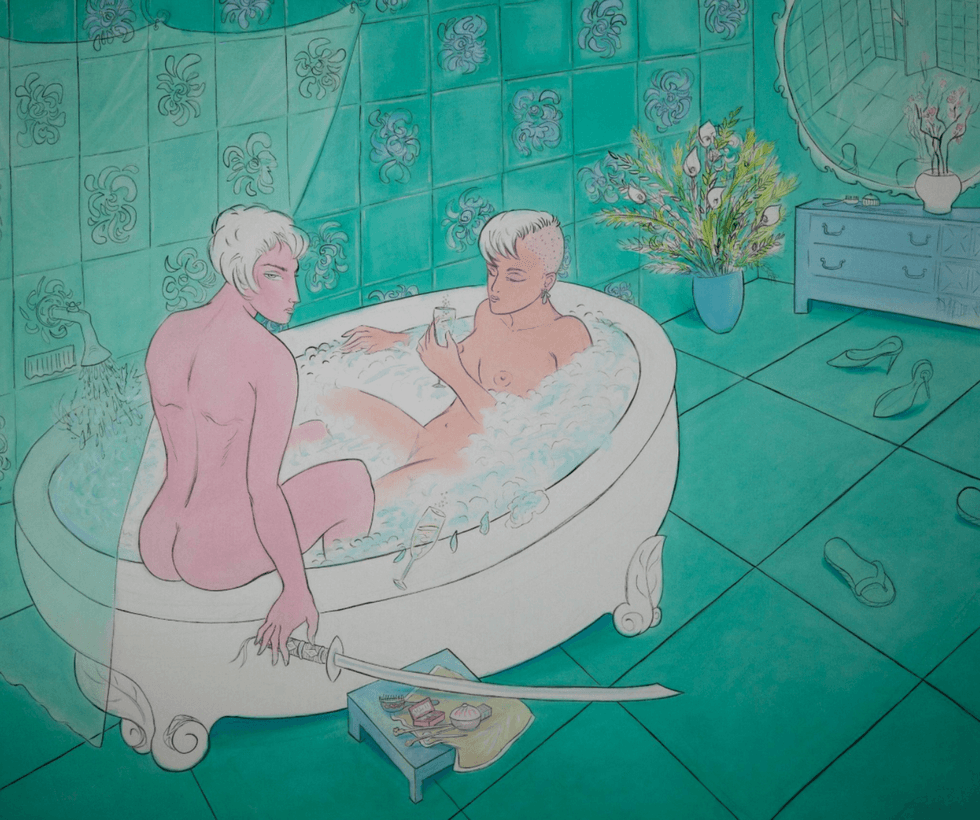
Rocío García’s La Bella Samurai, 2021, Oil on canvas, 62.9 x 74.8 in. Photograph by Elizabeth Chung.
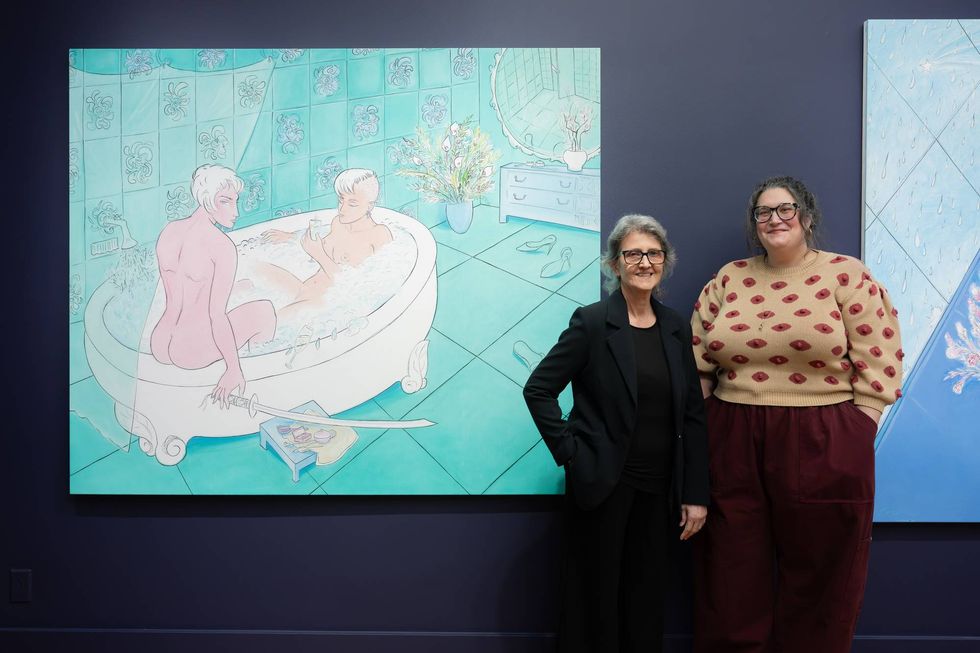
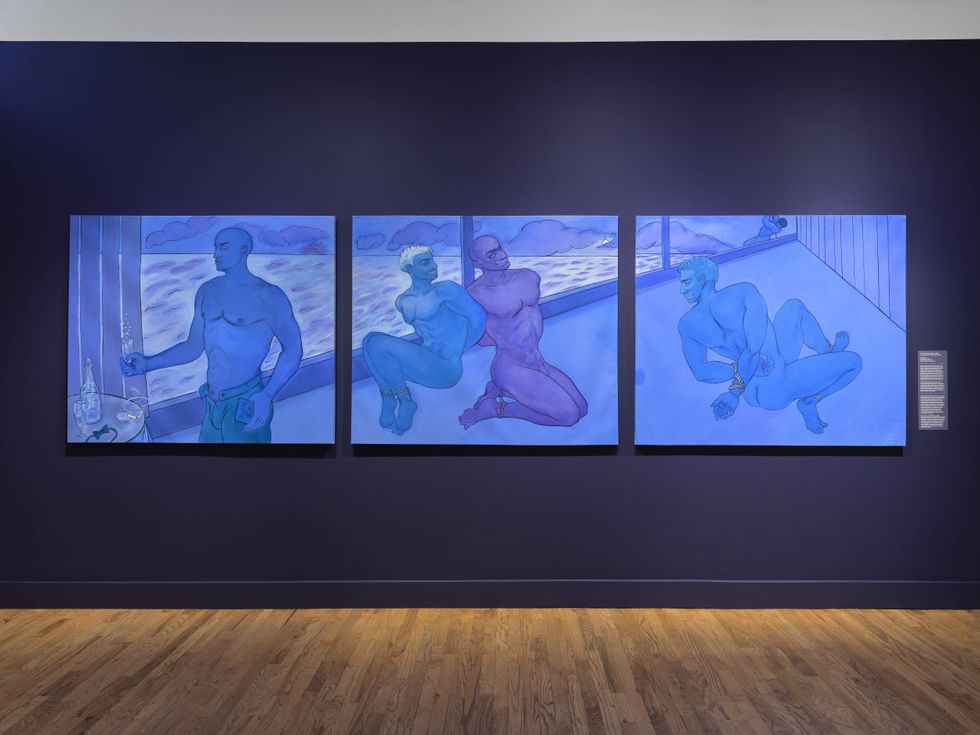
The Leslie-Lohman Museum, an institution dedicated to LGBTQ artists, has put on a boldly technicolor show by leading Cuban artist Rocío García, who is also currently a professor and staunch advocate for LGBTQ causes. Shamelessly explicit, her large-scale paintings bring to life deliciously illicit and dreamlike vignettes of gay nightlife and sapphic fantasies. Largest in the room is Like the Last Blues, a blue triptych of paintings showing a group of hugely muscled men stripped naked, bound with rope, and gagged. Yet, there is a serene beauty in their expressions, as they longingly gaze at one another and at the ocean waves.
Their captor, another shirtless man, calmly smokes a cigarette, eyes closed and turned away from his victims. It’s unclear if they are trapped, or if they willingly chose to be tied up; however, an undercurrent of desire is evident throughout the work. In another painting, a woman holds a samurai sword, turned away from her partner lounging in the bathtub. Does she intend to hurt her partner, or to protect her? Such is the line García treads in all her work; violence and tenderness, protection and ownership, queer love and domestic abuse.
El amor se esconde como un animal salvaje, Daniel Correa Mejía, PPOW
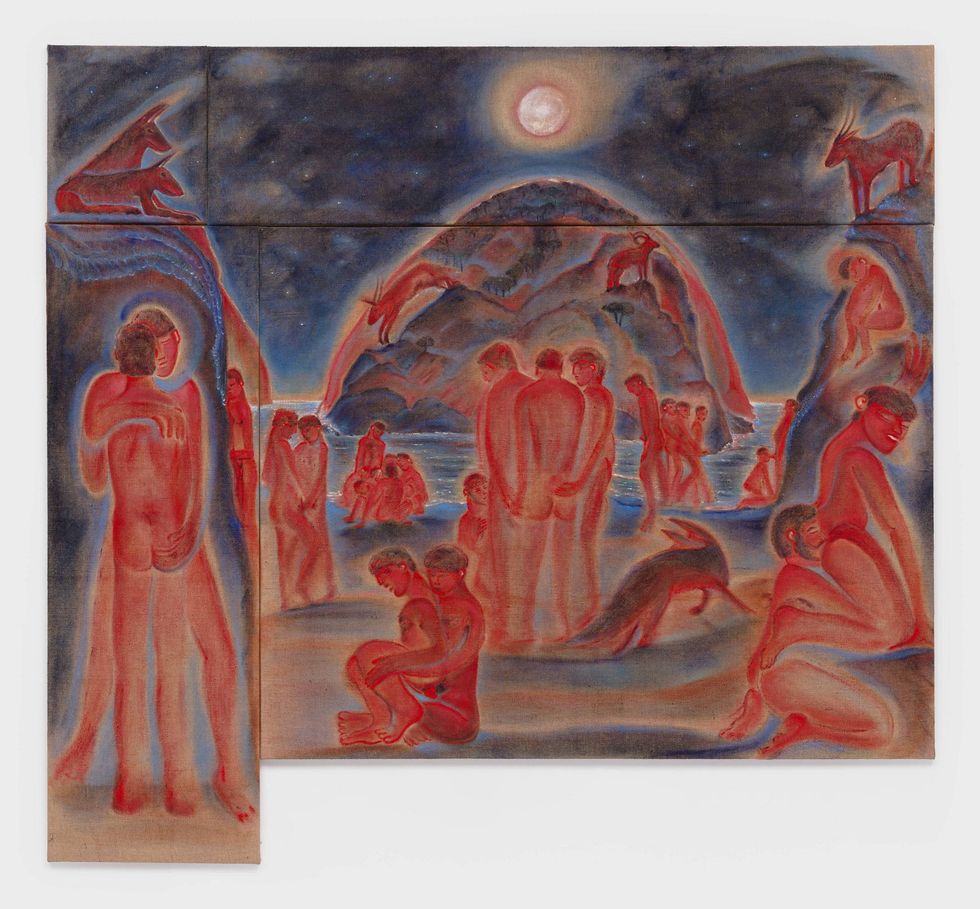
Daniel Correa Mejía, El amor se esconde como un animal salvaje, 2025-26 oil on jute, 230 x 265 cm. Courtesy of Daniel Correa Mejía and P·P·O·W, New York. Photo: Ian Edquist
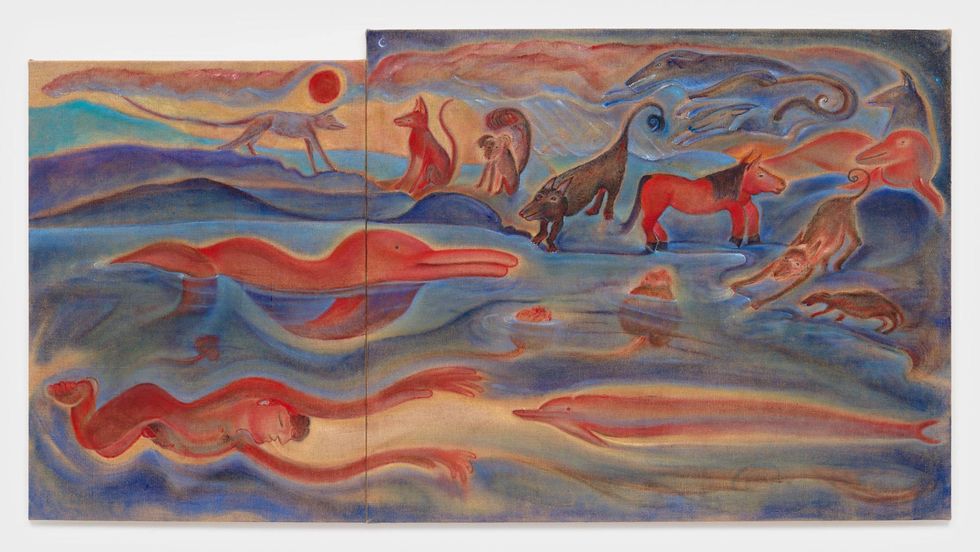
Enter the mystical world of Daniel Correa Mejía, where gay love exists as a supernatural force manifesting through glowing moonlight and starry night skies. Painted in rich blue and red hues, Mejía’s figures dance and stretch towards each other, embracing as jungle animals run wild around them. It’s a reimagining of Eden, as he envisions a primordial world in which gay sex is shamelessly beautiful, and queer bodies are able to roam free without societal shackles. Mejía’s show at PPOW enchants immediately, with its romanticism and gorgeous painting style.
All the works were painted at similar times, between 2025-26, however the standout piece to me was El amor se esconde como un animal salvaje, a painting which is also the title of the show. Translated to “Love hides like a wild animal”, the piece shows a crowd of gay men, some in couples and some in larger groups, each engaging in various sexual activities. Above them, the moon is radiant, illuminating gazelles leaping off mountaintops and wolves gazing into the valley. While deeply sexual, the work maintains a beautiful innocence, as sex is framed as a ritual of devotion rather than something lewd.
Mar-A-Lago Face, Spielzeug Gallery
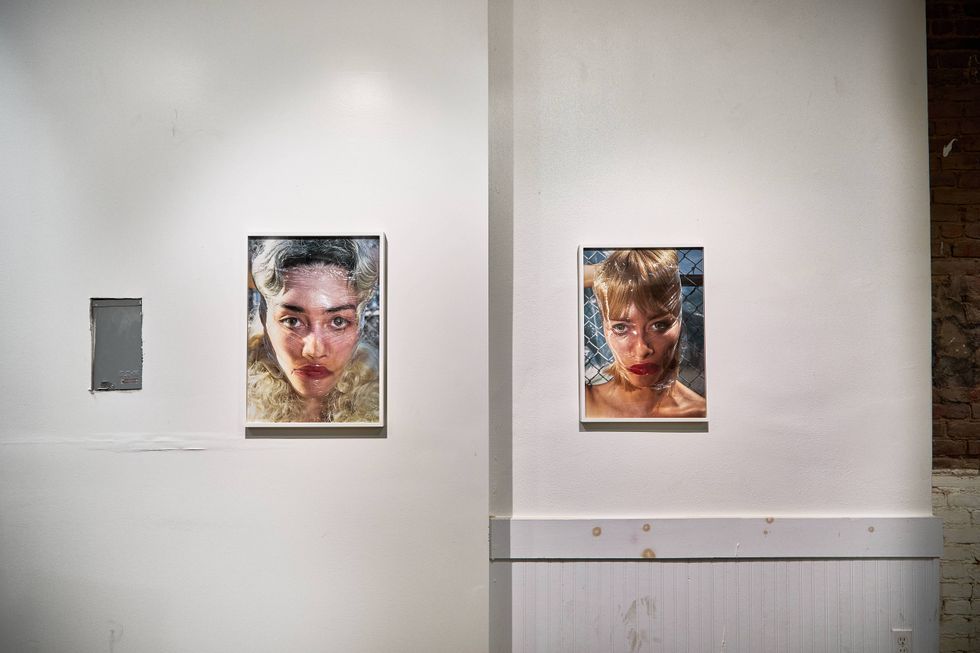
MAR A LARGO FACE, SPIELZEUG, 2026, image credits: Nico Love, courtesy of the gallery.
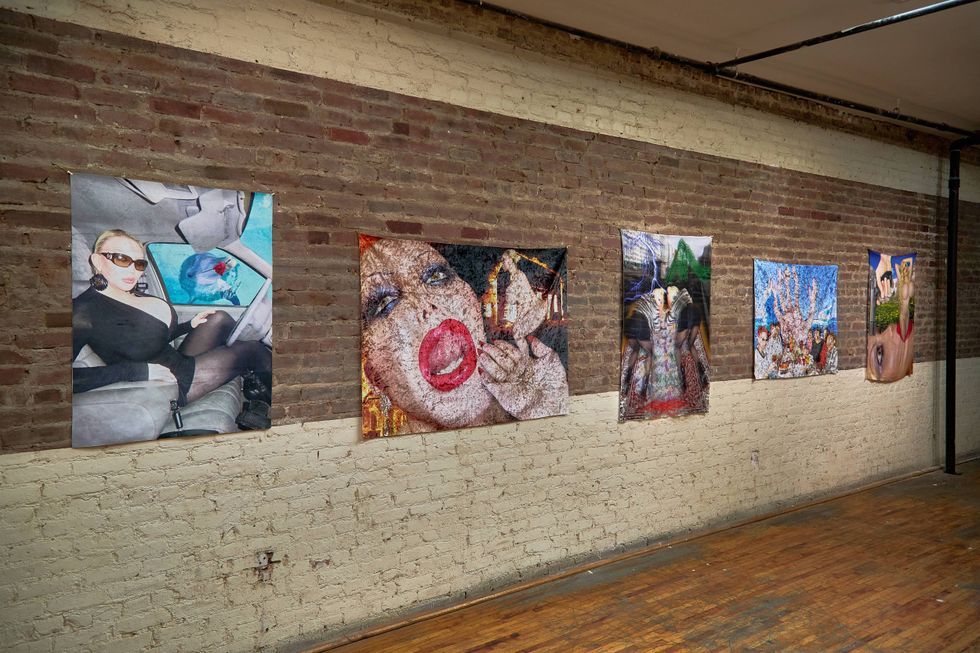
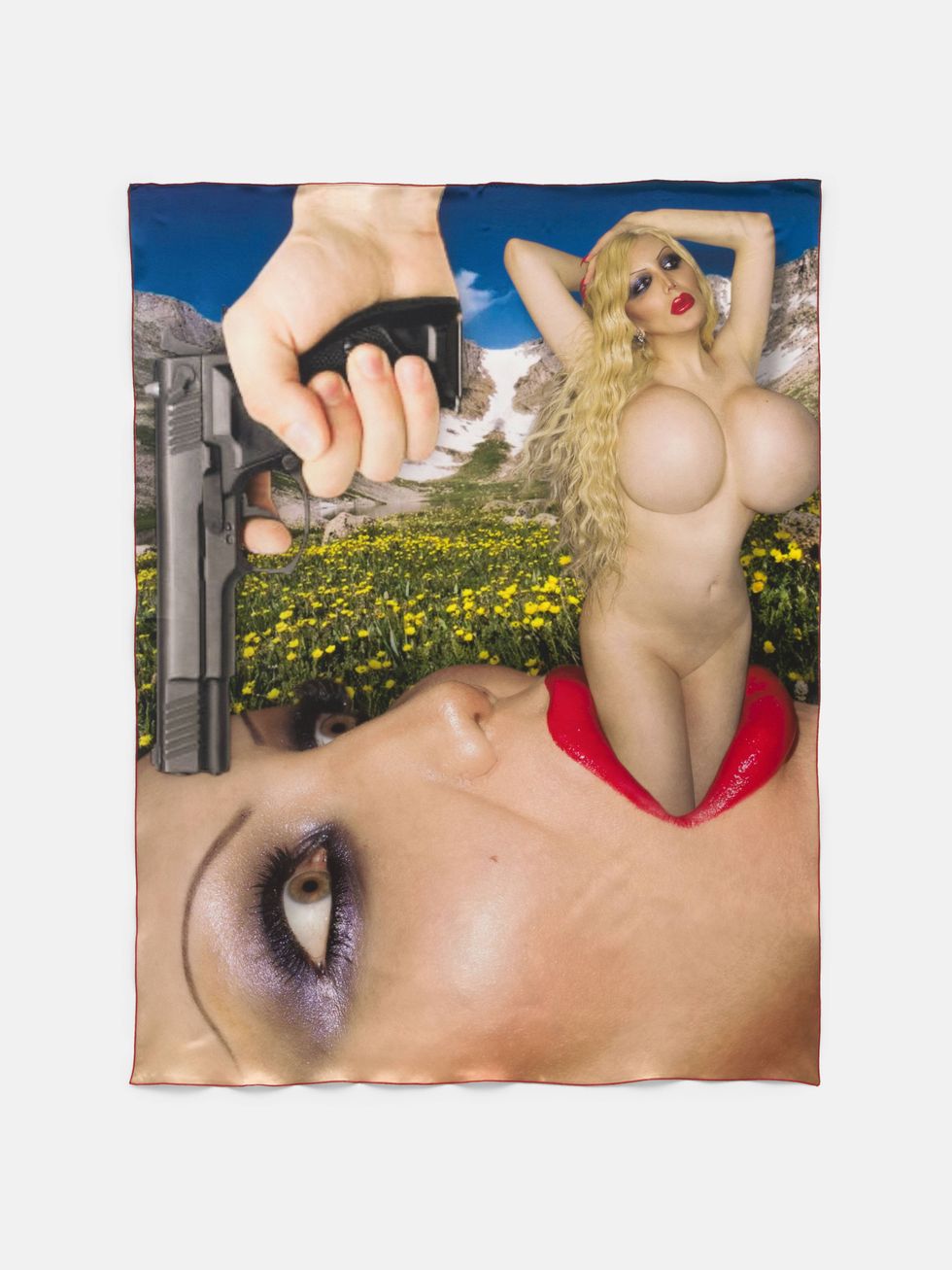
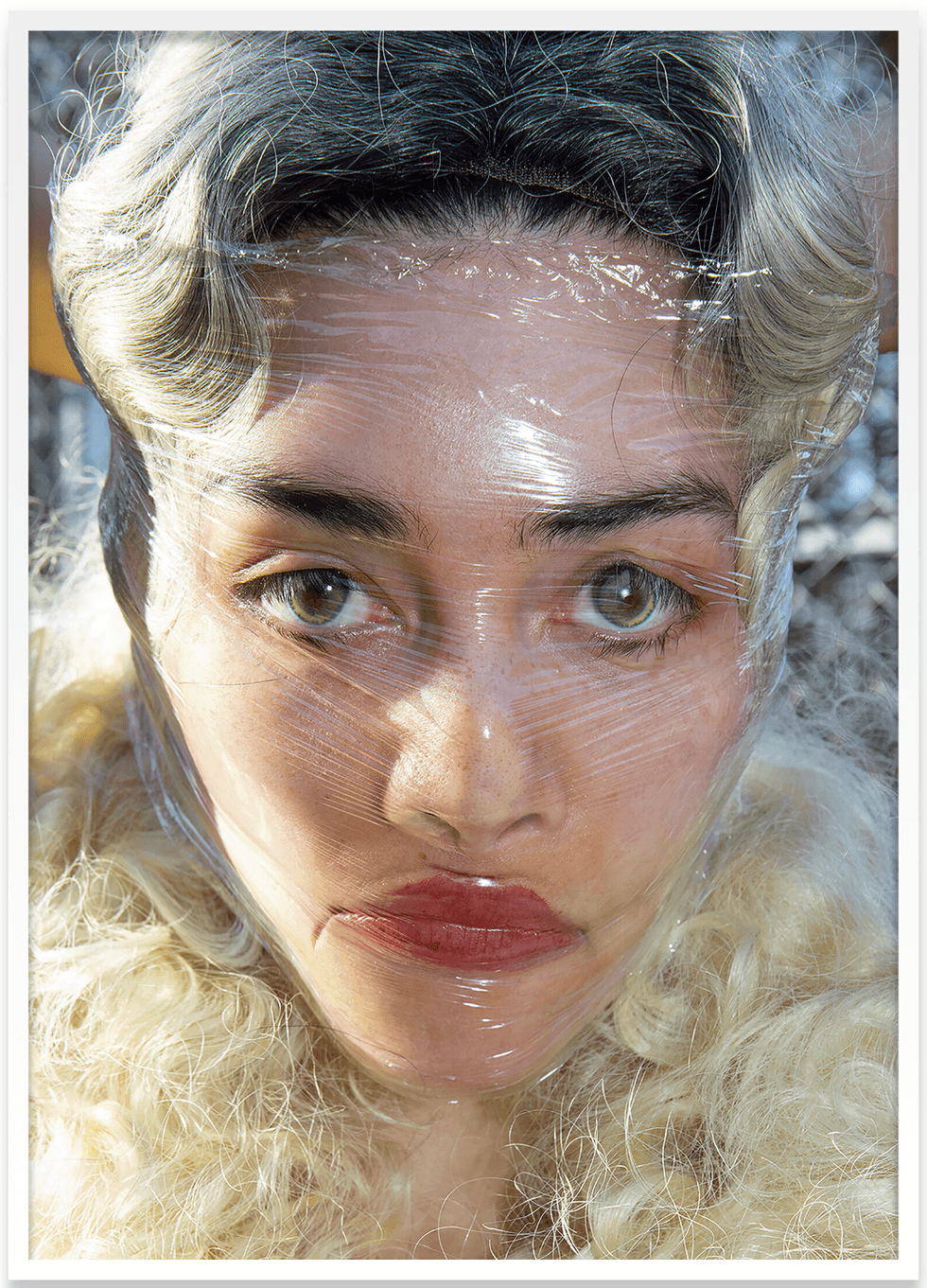
In an abandoned restaurant on the Lower East Side, a radical new show featuring primarily trans and Latinx artists has transformed the space into a ragtag art gallery. As its name suggests, Mar-A-Lago Face riffs on the uncanny standard of beauty it claims has pervasively spread throughout D.C.’s Trumpian ruling class: facelifts, Botox, blonde hair and lip filler galore. For example, Berlin club mother Ivana Vladislava uses her own body, which was subject to multiple botched gender-affirming surgeries, as a canvas for surreal image collages.
Rather than being ashamed of her surgeries, Vladislava reclaims them as symbols of pride, framing both MAGA plastic surgery and trans gender-affirming care as expressions of the same desire to affirm one's identity. Meanwhile, Martine Gutierrez’s photographic series Plastics depicts the artist wearing blonde wigs, with plastic wrap pulled tightly around her face, smearing her exaggerated makeup into an uncanny caricature of femininity, critiquing the artificial beauty standards embedded in mainstream culture. The show is raw, provocative, and doesn't hold back; few exhibitions this season feel as timely, or as willing to venture into uncomfortable territory.
All photography courtesy of the artists, galleries and photographers mentioned in the above captions.