In Search of the Lost 'MTV Spring Break'
by Avery WilsonApr 15, 2026

Upon preparation for my spring break, I do what any college-aged girl does when in need of a very specific curated collection of outfits: I look to the internet for inspiration.
Typing in spring break alone on Pinterest will really only get me pictures of Vanessa Hudgens in a bikini and ski mask (thank you, Harmony Korine), so my scrolling persists, tweaking keywords here and there. I see pictures pop up from what looks to be the same event over and over. I do a little digging, and am introduced to MTV’s MTV Spring Break, specifically the iterations from the late ‘90s and early 2000s.
I have never been more jealous of millennials.
For the similarly unfamiliar, MTV started its annual spring break coverage in 1986, during which the channel aired numerous live performances by artists from popular spring break locations for 8 hours a day. MTV is actually partially responsible for the popularization of Daytona Beach as a vacation destination for college kids after the Mayor of Daytona Beach, Larry Kelly, went on national TV and encouraged college kids to come to Daytona instead of Fort Lauderdale, which started discouraging college-aged vacationers.
Soon after, beer and cigarette brands began advertising in Daytona for spring break, and the city struck a deal with MTV to host its event. Seemingly overnight, Daytona Beach became the “Spring Break Capital of the World,” but the city and MTV would cut ties in 1993 after complaints from locals and a failed proposal to include a more “wholesome” section of the program for families to clean up the locale’s alcohol soaked image.
At the last Daytona Beach Spring Break in 1993, one had the opportunity to see both RuPaul and Lenny Kravitz — what a dream.
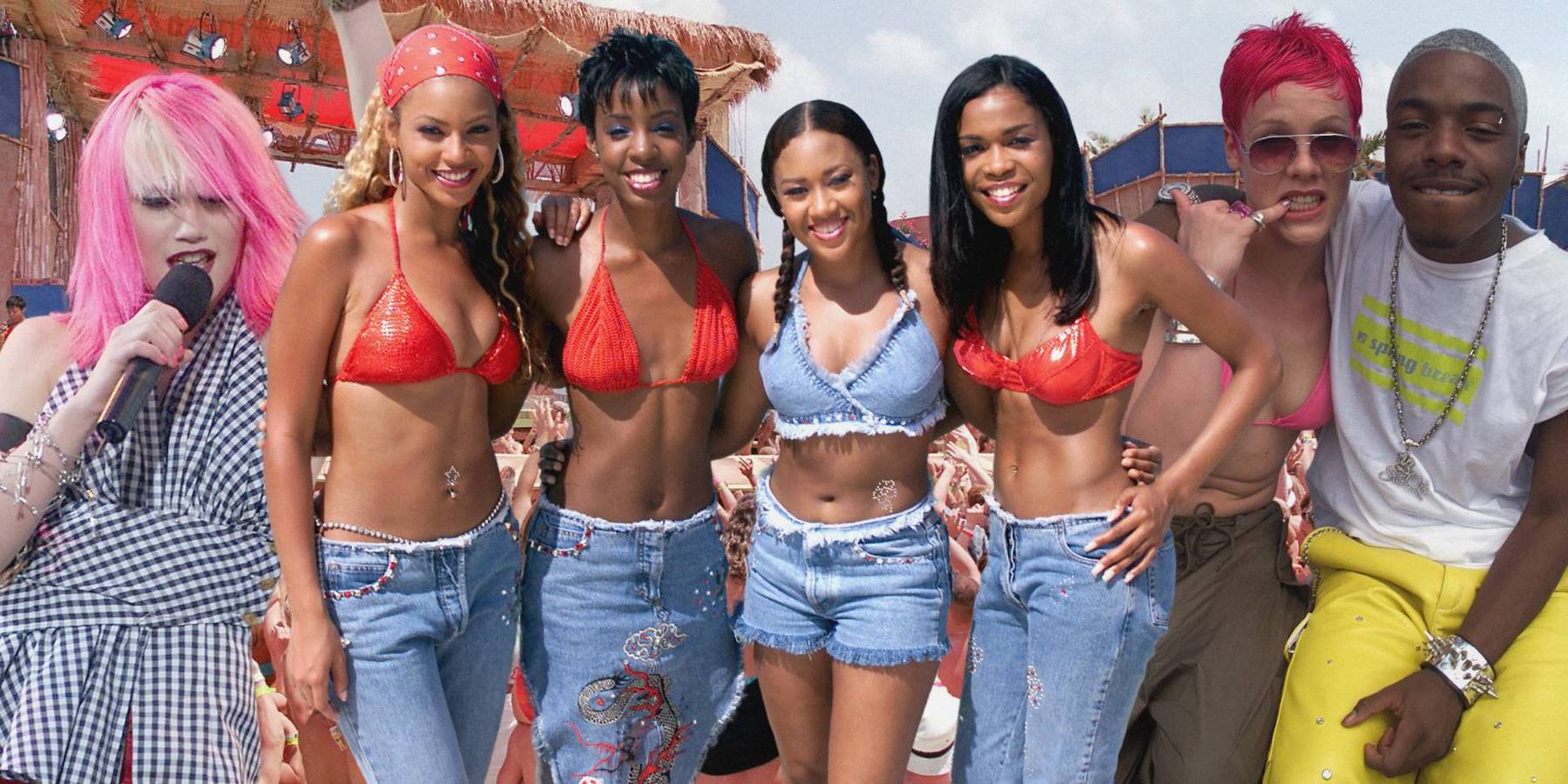
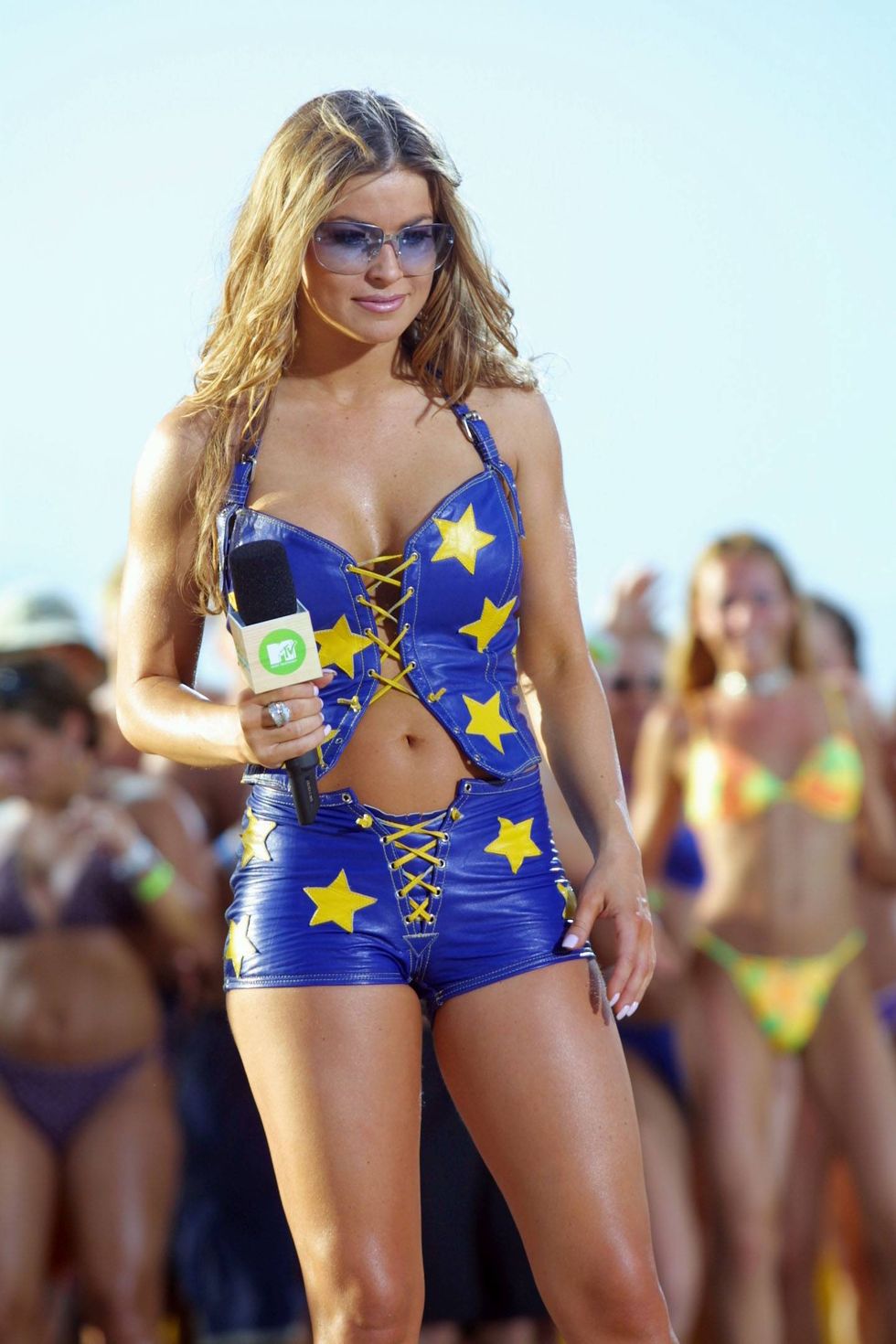
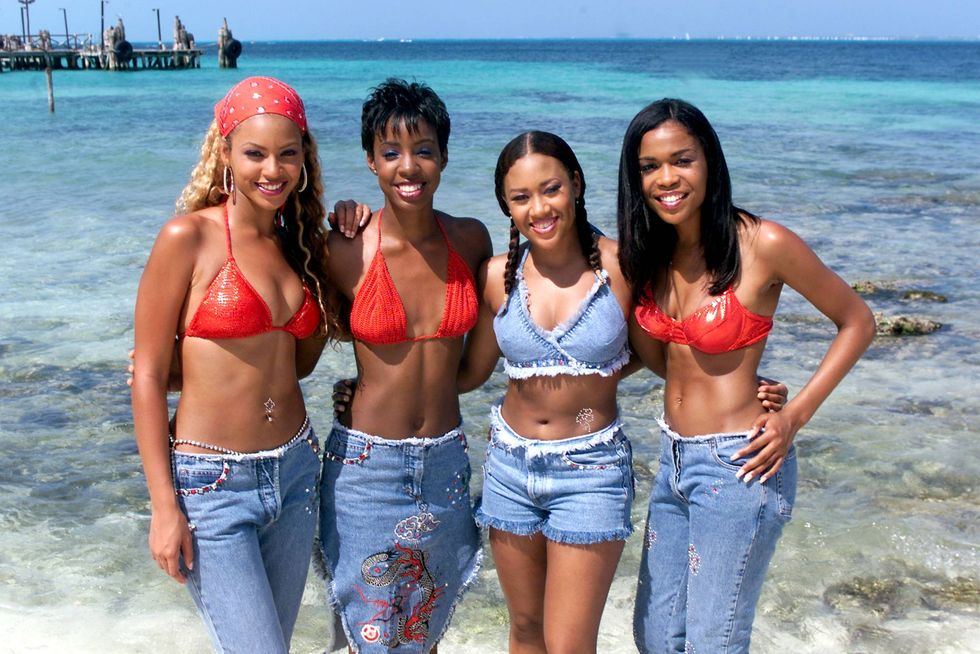
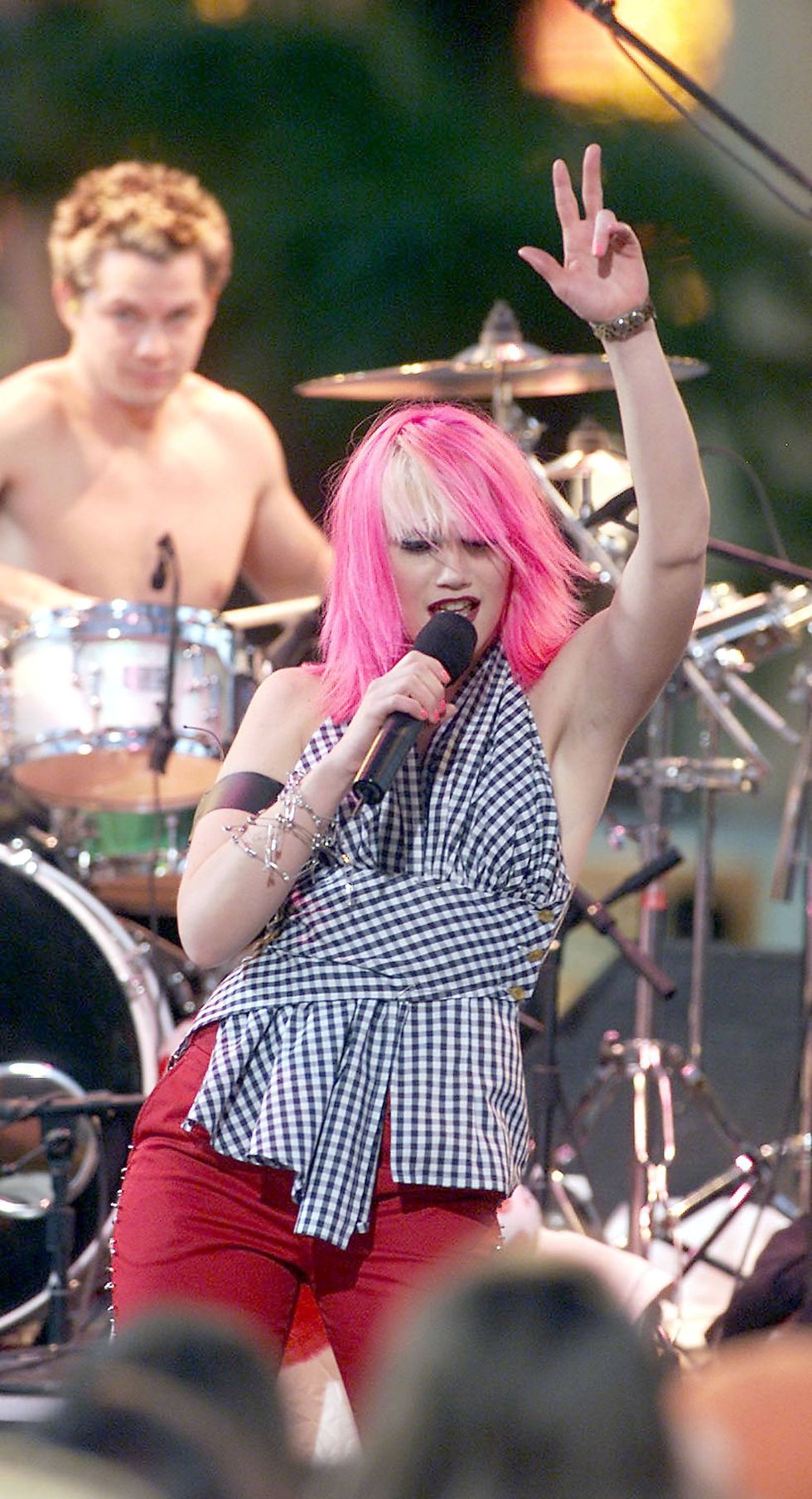
However, cutting ties with Daytona was just the beginning for MTV Spring Break. If anything, switching locations made the program even bigger. The most iconic spring break took place in 2000, held simultaneously in Cancun and Las Vegas and hosted by TRL host Carson Daly and co-hosted by Carmen Electra (who changes outfits like 15 times.) The latter would become a staple of the program in following years. The lineup for that year can only be described as insane, with performances by Destiny's Child, Jay-Z, Dr.Dre, Eminem, Enrique Iglesias, blink-182, Mariah Carey, Britney Spears and No Doubt.
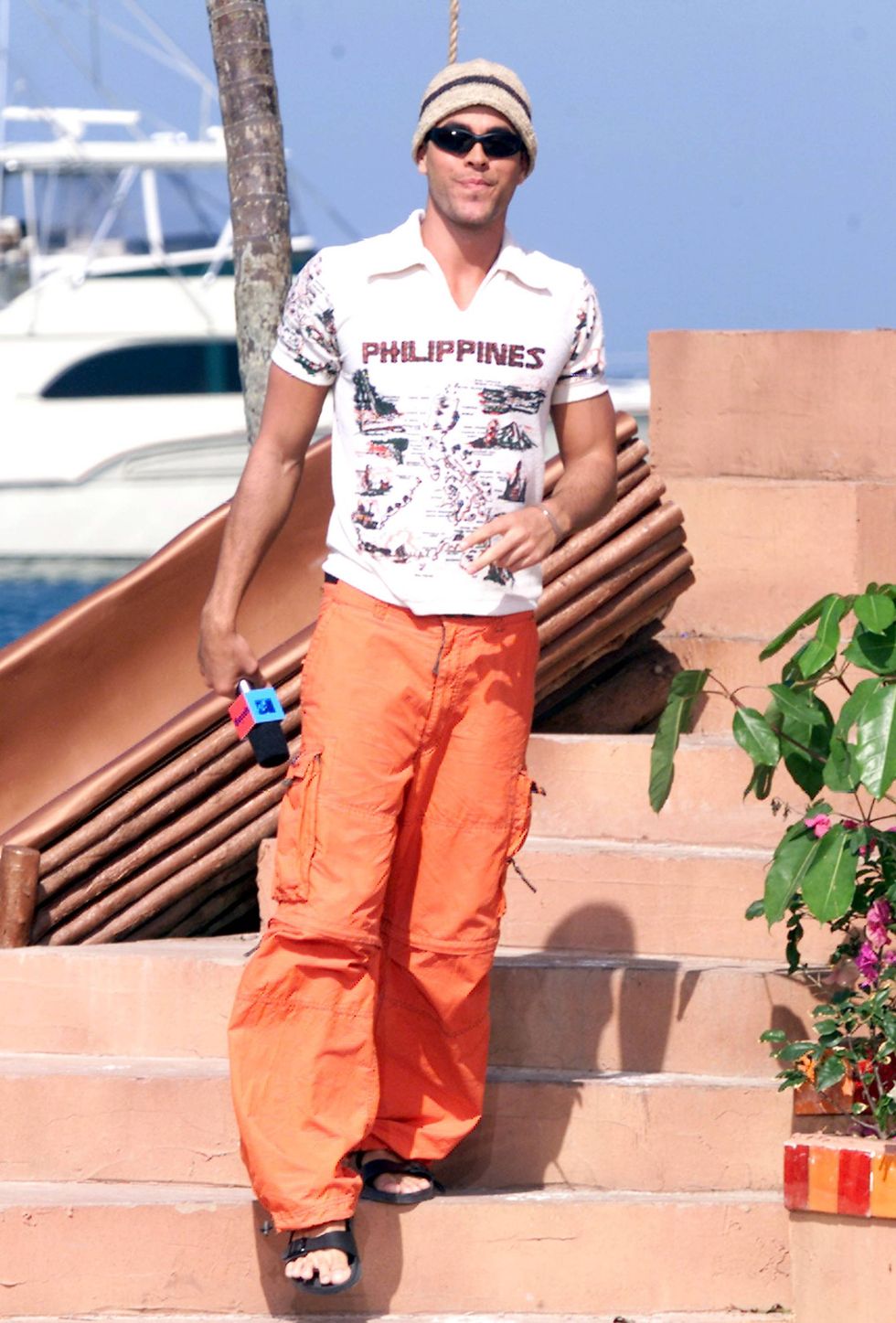
The show was stuffed to the brim. In between performances, there were wet t-shirt contests and a dating show with Enrique Iglesias, whose outfit actually looks like it was stolen yesterday from a LA guy who runs a niche fashion brand. With impromptu interviews with P!nk and Sisqo, viewers were fed. When most picture MTV Spring Break, this is the one they remember.
Apart from the juggernaut of a 2000s concert lineup they had scheduled, the energy throughout the show is enviable by modern standards, with crowd shots of hundreds of fans, all beautiful and 20-something, none of whom looked sweaty, somehow, in neon bikinis and straw cowboy hats à la Carrie Bradshaw in the Hamptons.
The outfits worn by guests are likewise memorable, despite there being very little fabric: the most gorgeous pairs of sunglasses, bikini tops galore, styled with jeans, shorts, skirts, or a bikini bottom. Really, in any way one could think to style a bikini top, they will see in this program.
Part of what made the program special, from a modern vantage point, was that it truly felt like a vacation: no pressure, pure fun, being away from one’s life just for a moment. Part of me thinks it’s the visible lack of phones. Yes, the crowds knew they were being filmed, but not by other concertgoers. Nobody could post that one girl in the crowd dancing weird ‘cause she was drunk, or the group of guys making stupid faces while singing along to blink-182.
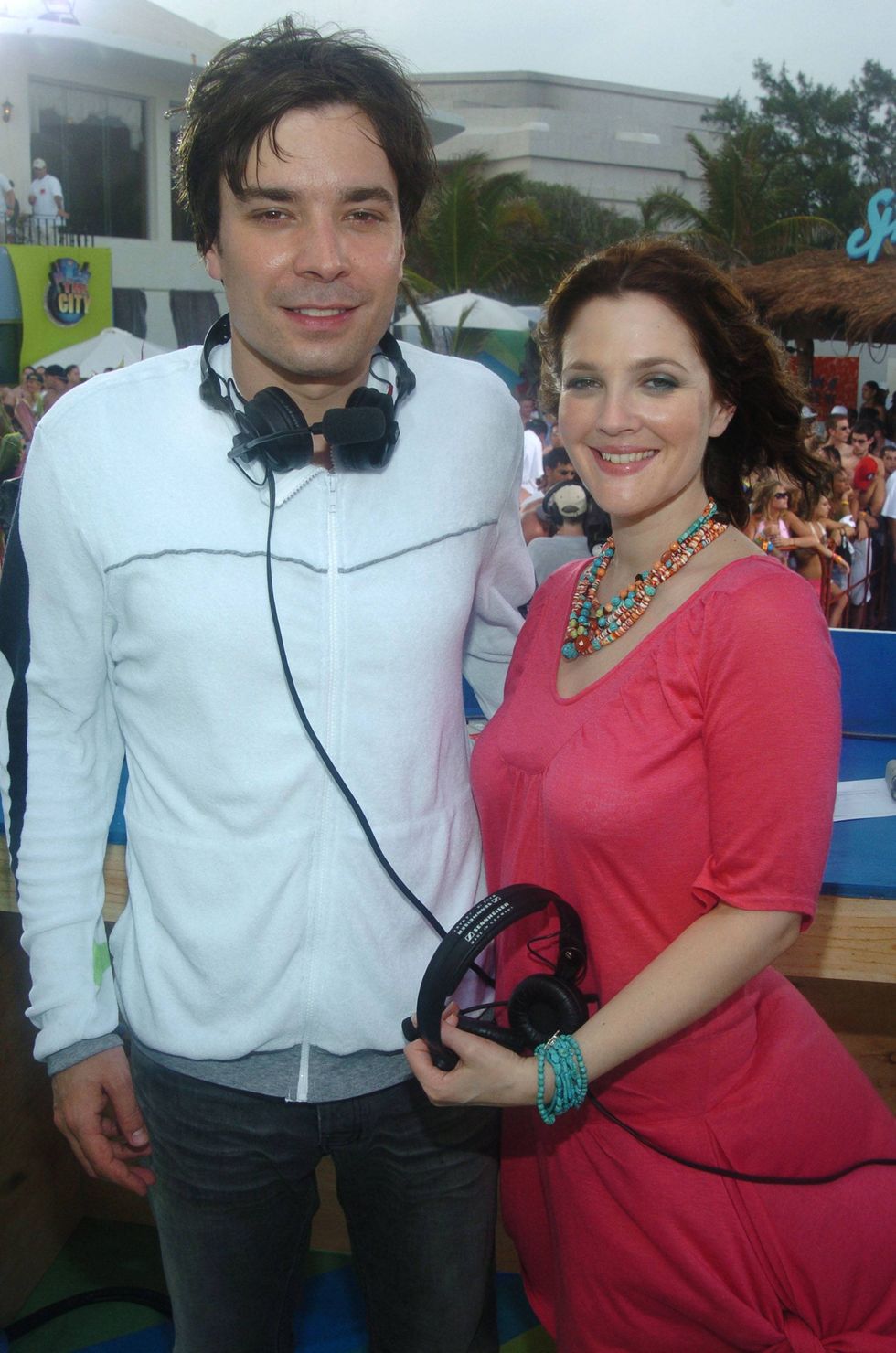
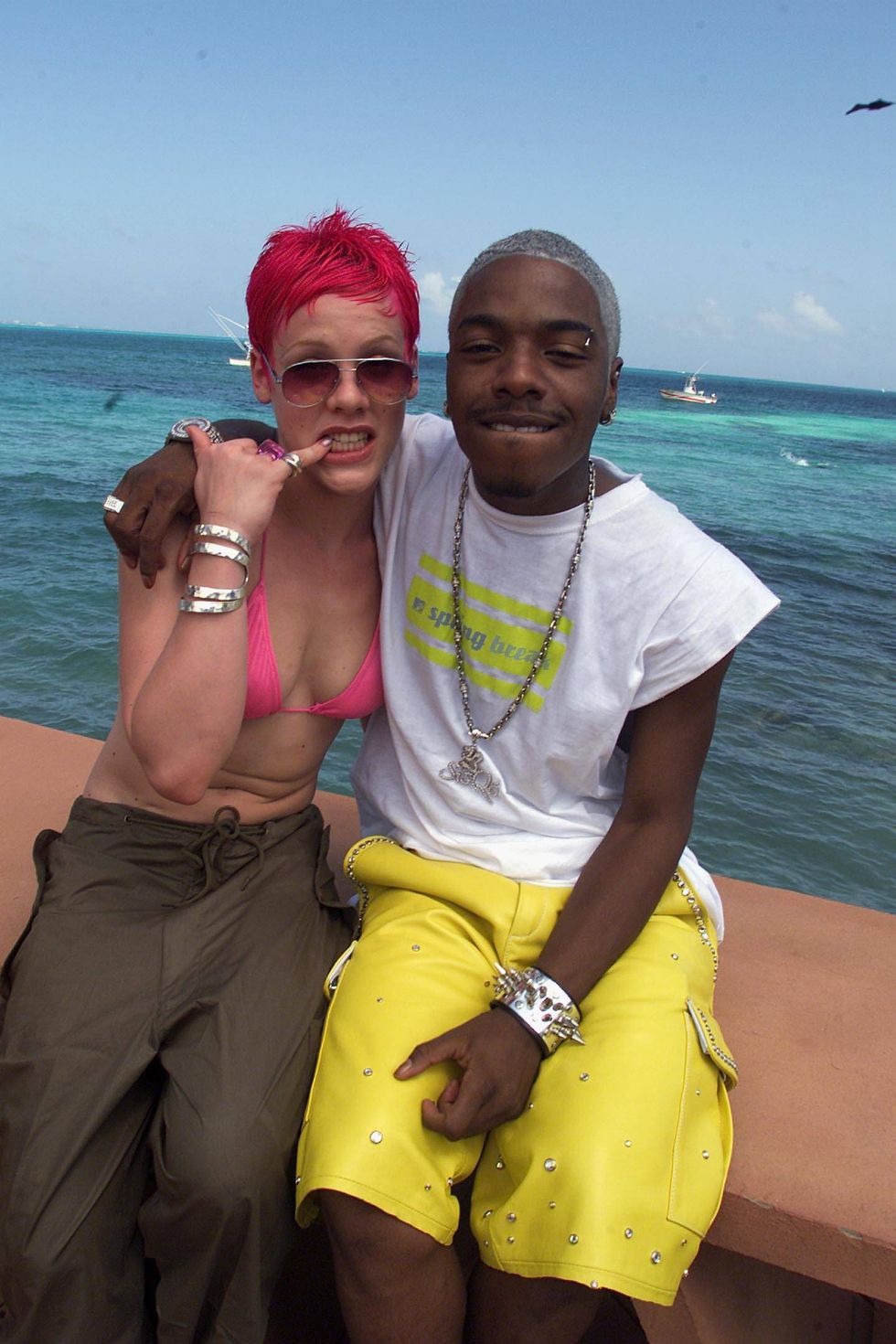

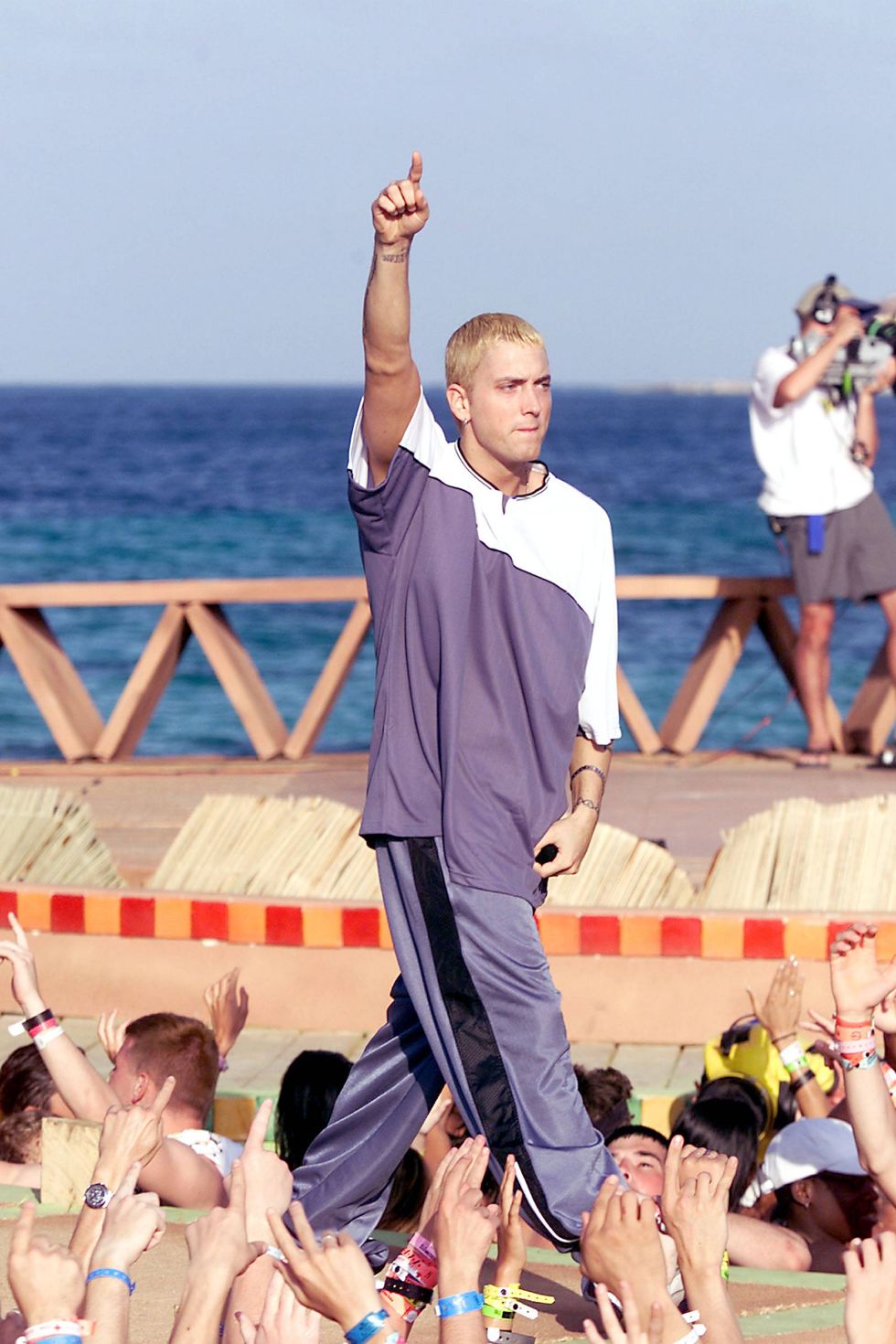
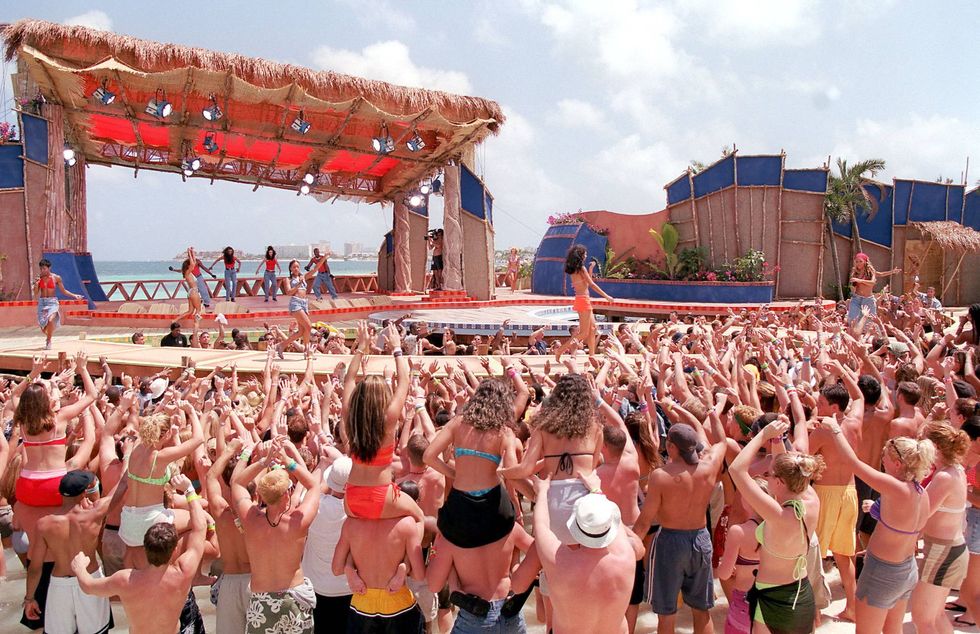
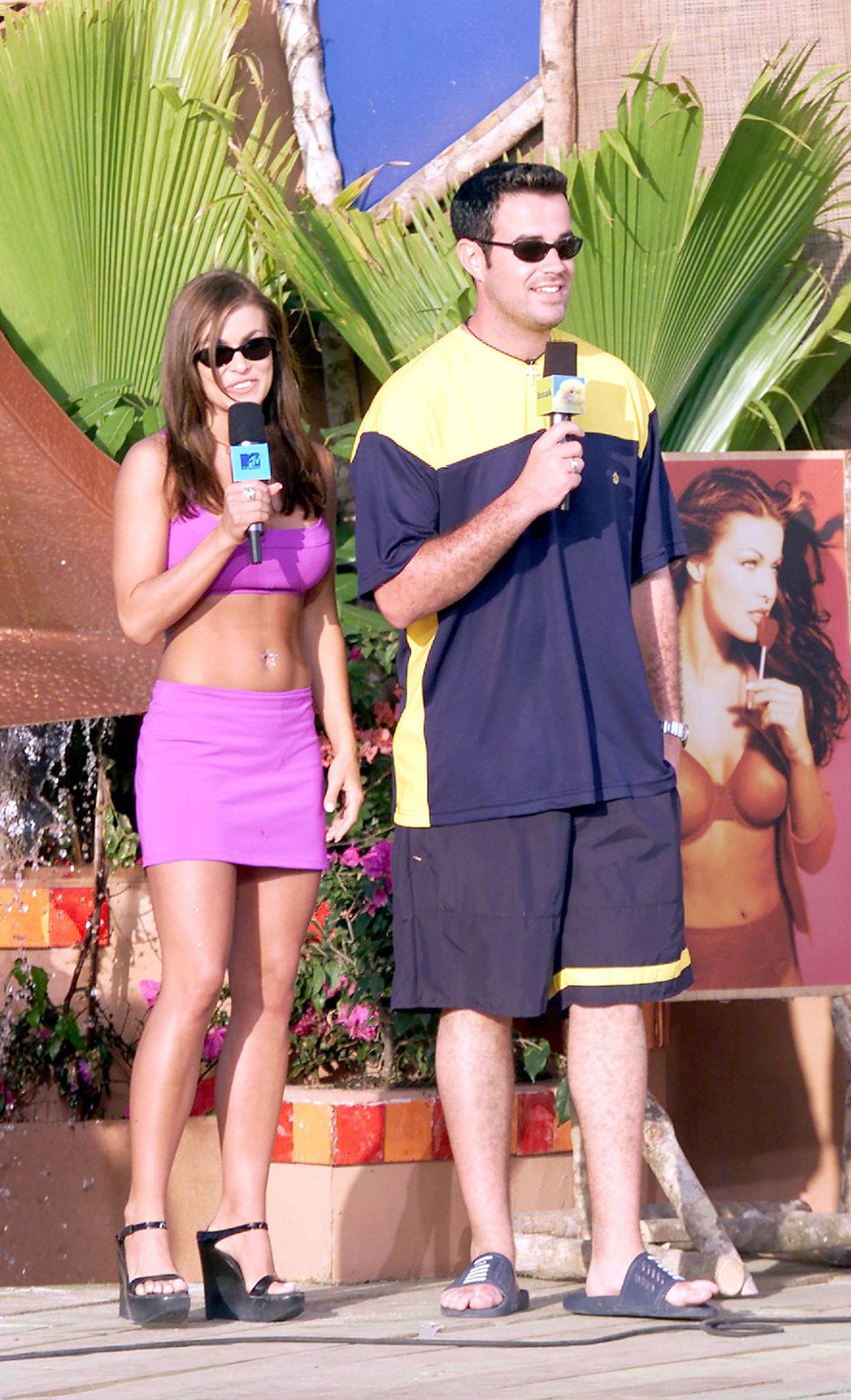
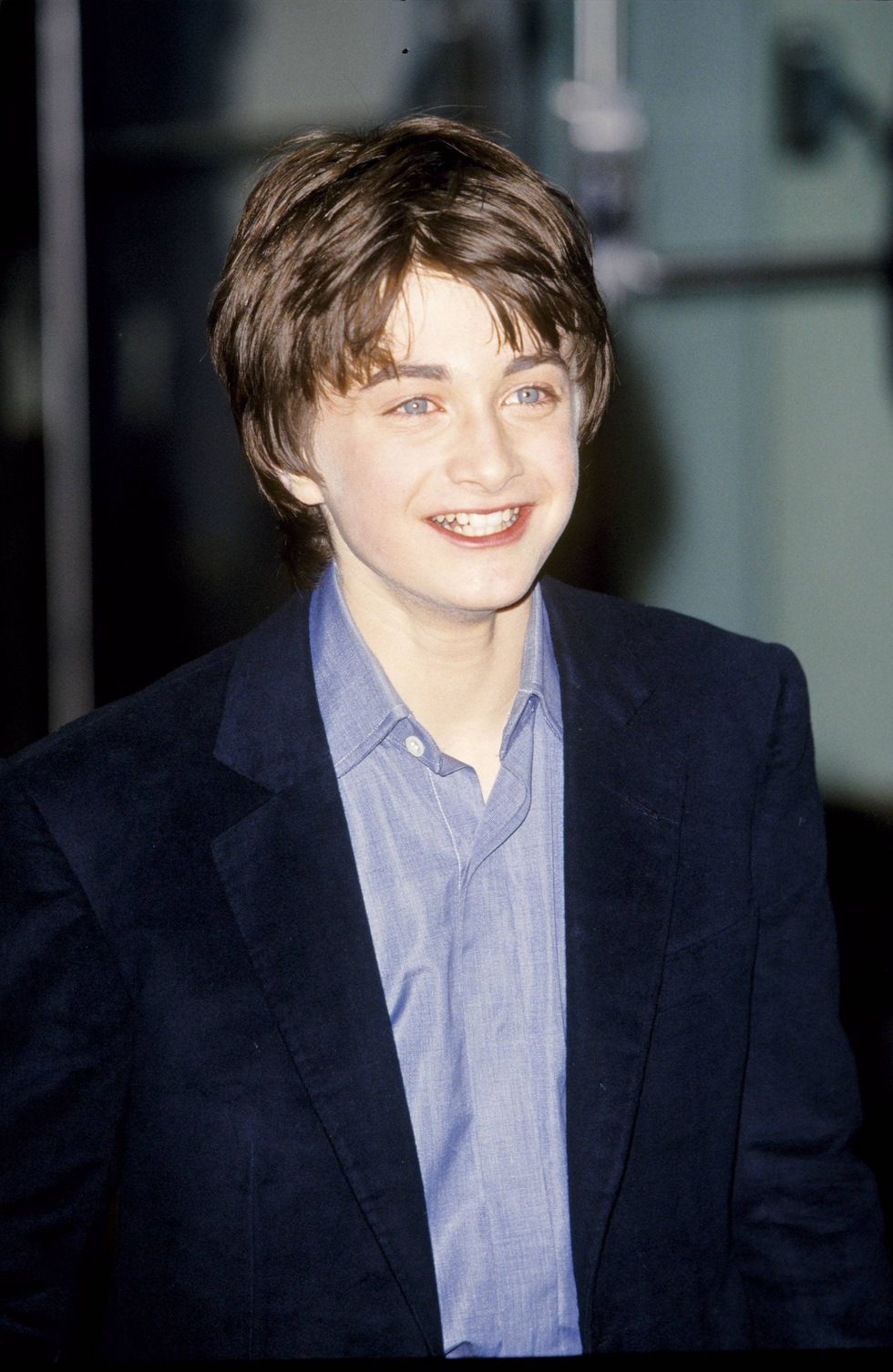
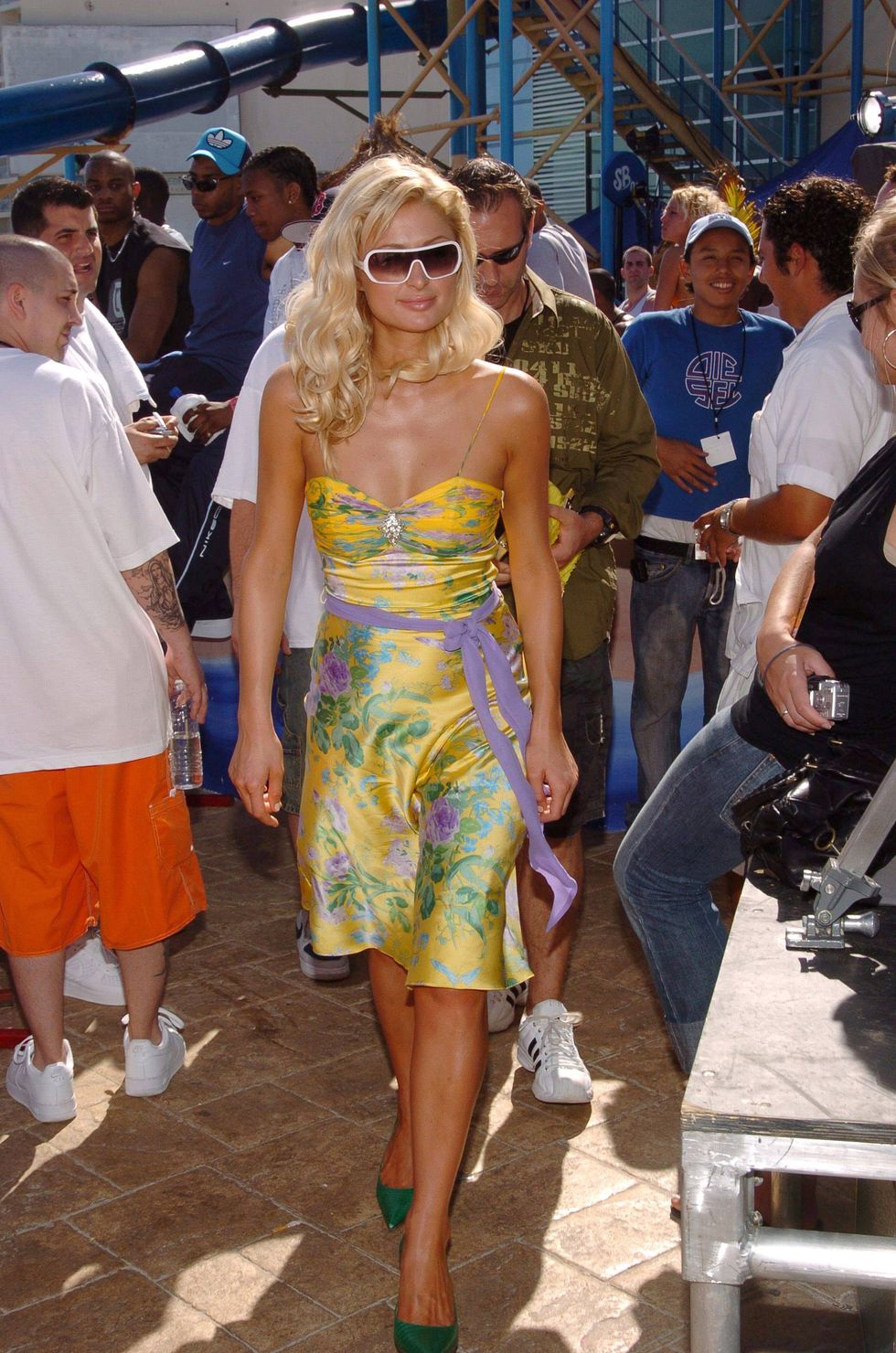
No one was being surveilled unless they had a mic in their hand and were onstage, and even then, those performances weren’t being picked apart for technical merit or analyzed as a marker of talent; they were unserious, as spring break should be. Other than award shows or festivals, it’s rare to see such a large group of celebrities interacting with one another in a way that feels organic or low-stakes. I know that’s ironic, given how manufactured MTV became, but the internet wasn’t a panopticon just yet.
Towards the tail end of the 2000s, the program would slowly disappear, with an attempt at a reboot in 2014, which was, to say the least, interesting. Despite having the same setup as the classic MTV Spring Break, this latest incarnation felt manufactured and empty. Watching performances from that year and looking at the crowd, one notices a total energy shift, which is bound to happen when comparing 20-year-old footage. To me, at least, it’s more than that.
The crowd isn’t dancing as much; they're acutely aware of when the camera hits them, and everyone looks clean-cut and somehow dry. Even the drinks held up in the crowd are hidden within unassuming plastic cups, no sense of debauchery or messiness that the program was known for. I can’t help but wonder if the early stages of social media and surveillance culture were starting to take hold, with people primed to posture for their imagined audience over getting plastered on a beach. Or, could it have been the declining viewership and the death of cable, which would ultimately be the nail in the channel's coffin years later?
The reign of MTV Spring Break is a thing of the past; it now exists only as an emblematic memory of American college culture, riddled with low-rise miniskirts and Oakley shades.
Images via Getty