Anatomy of a Torch Pass: Like Father, Like Son
by Cassidy SollazzoMay 28, 2026

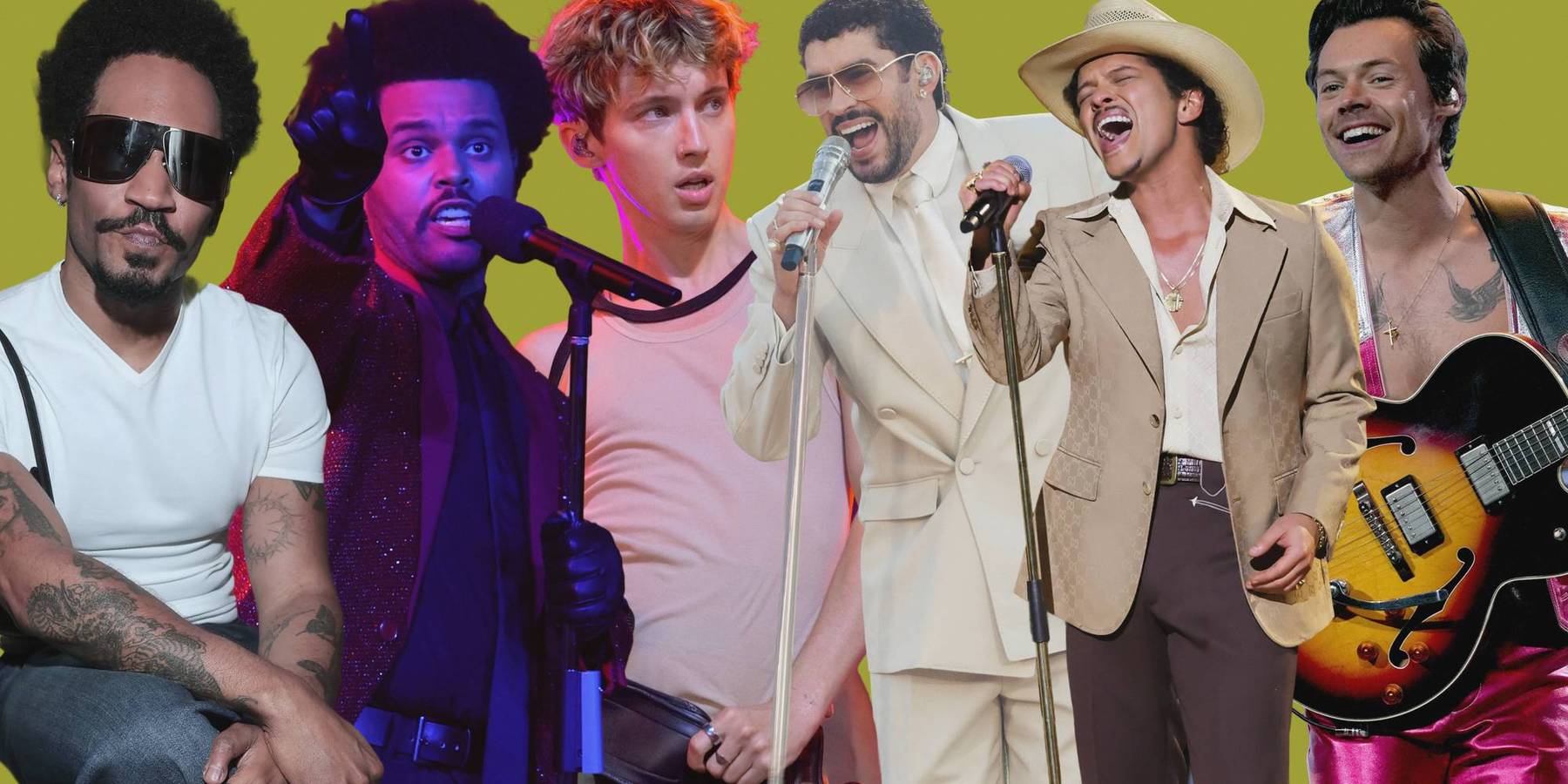
Where have all the male pop stars gone? The internet certainly wonders. There are think pieces and Reddit debates all centered on the idea that we, as a music-consuming public, have spent this decade deprived of male pop stars. I’m not sure I buy that, though.
The boundaries of who a pop star is, or what a pop star is considered to be, have only continued to expand with time. Pop itself has become increasingly decentralized, focusing on microgenres and subcultures, which makes the Main Pop Boys a little harder to discern. Kendrick Lamar is a pop star. A.G. Cook is a pop star.
But the same kind of Pop Motherdom family tree exists with fathers and sons, too (the fully realized tree itself isn’t ruled by gender, but more on that soon.) Most importantly, ‘50s rocker Little Richard is a crown atop any and all flow charts concerning pop influence. His rambunctious stage persona, his theatrics, his capes and his pompadour inspired everyone from Elvis to Bowie to Prince. There would be no male pop stars without Little Richard.
Much of today’s discourse surrounds who seems to be copying whom, rather than who is mothering (fathering) whom. Benson Boone’s jumpsuits and sparkles got him coined Mormon Harry Styles, while Yungblud’s leather pants, eyeliner-clad, sweaty onstage persona often gets him referred to as Evil Harry Styles, or an Even Eviler Matty Healy (Healy himself is undoubtedly a Brian Eno/Peter Gabriel/Mick Jagger lovechild.) Someone like Justin Bieber has sons who have evolved as his sound has, slowly moving out of Shawn Mendes territory and into Mk.gee and The Kid LAROI land.
So what follows aren’t perfect mirrors as much as spirits of: So-and-so is the so-and-so of the 2020s. And boy, did our last list cause all sorts of conversation! (We're looking right at you, Pop Base and Pop Crave!)
Remember, these lists are not definitive, or final. It is starkly gendered in a way that doesn’t necessarily align with reality or leave room for nuance. Influence is not bound by gender; gender is just part of this specific form.
And so, without any more ado, let’s discourse!
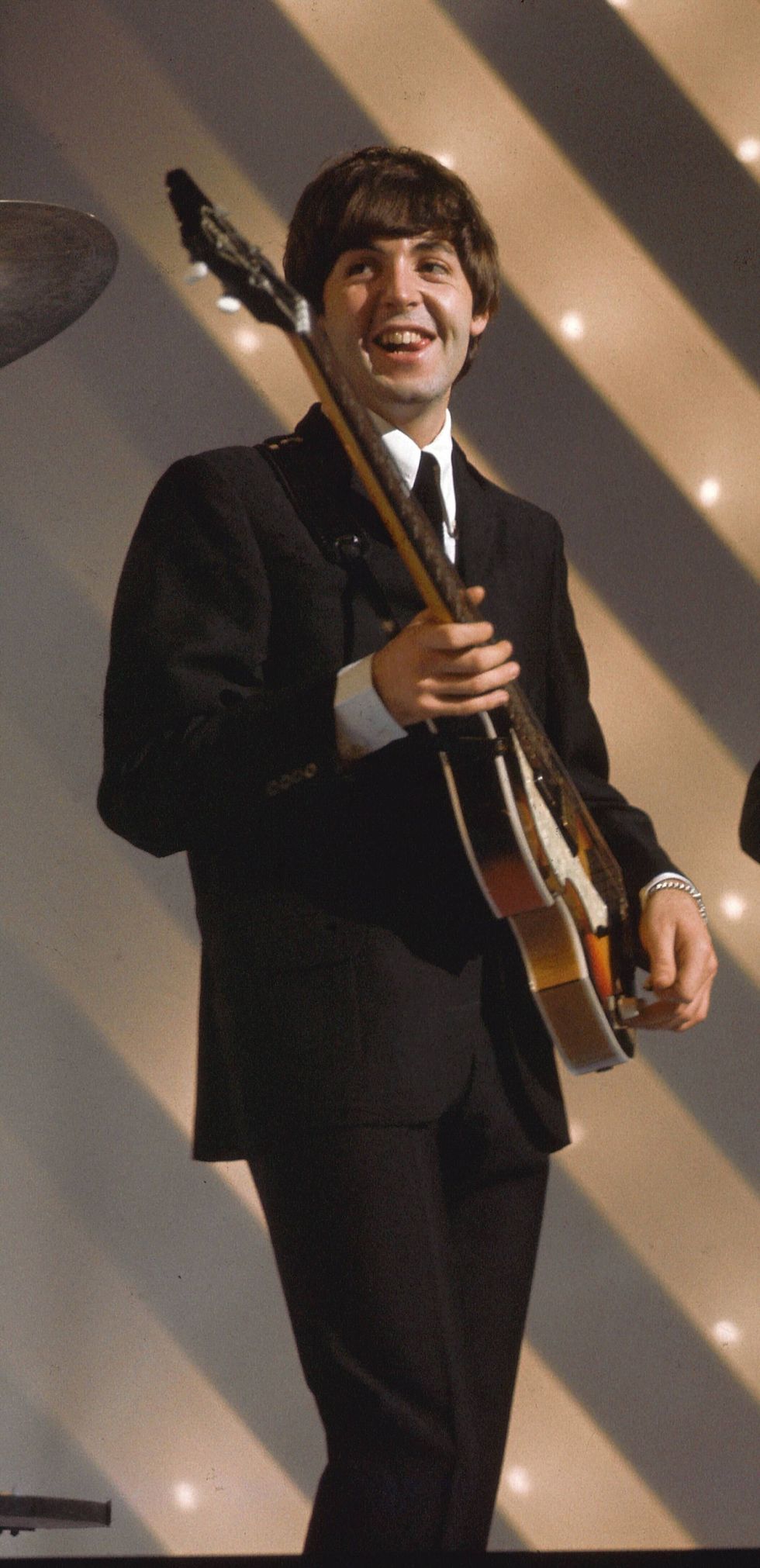
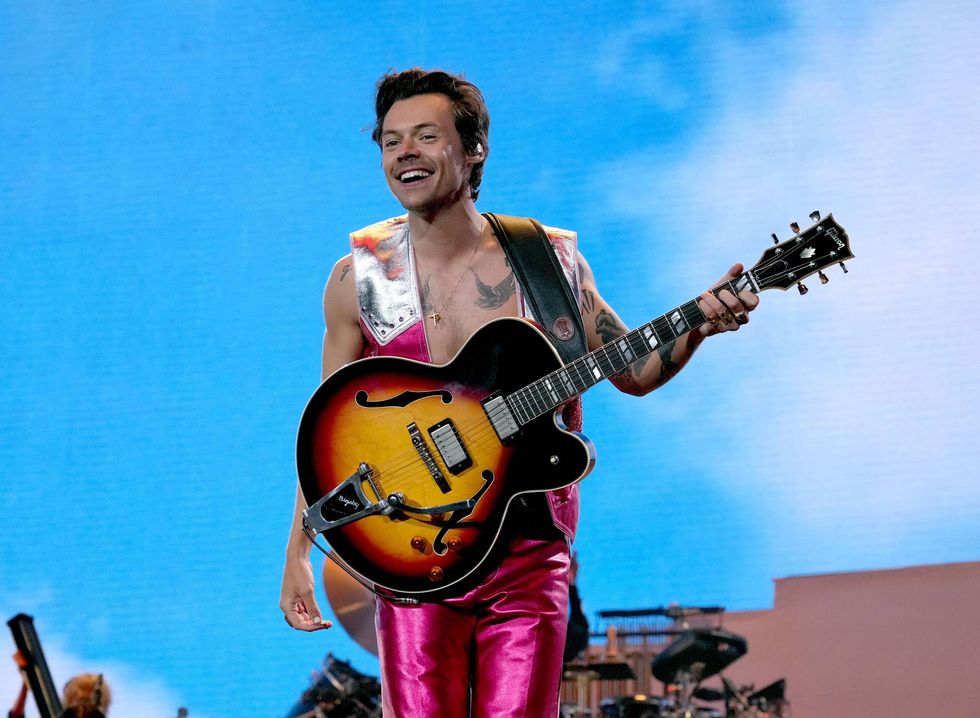
The Boyband Heartthrob to Most Successful Solo Act pipeline is alive and well in Paul and Hazza. Both Head Bitches of their respective groups, McCartney and Styles have each grown into the most corporatized of their former bandmates (you rarely catch either without a PR-approved response on the tip of their tongue) with a kind of machine approach to music output that still remains explorative. Harry Styles is McCartney’s Band on the Run (in their expected lane, maybe a little more rock-centric than their group work), where Kiss All The Time is full-blown McCartney II “Temporary Secretary.” This one feels so aligned and uncanny that it almost feels like cheating.
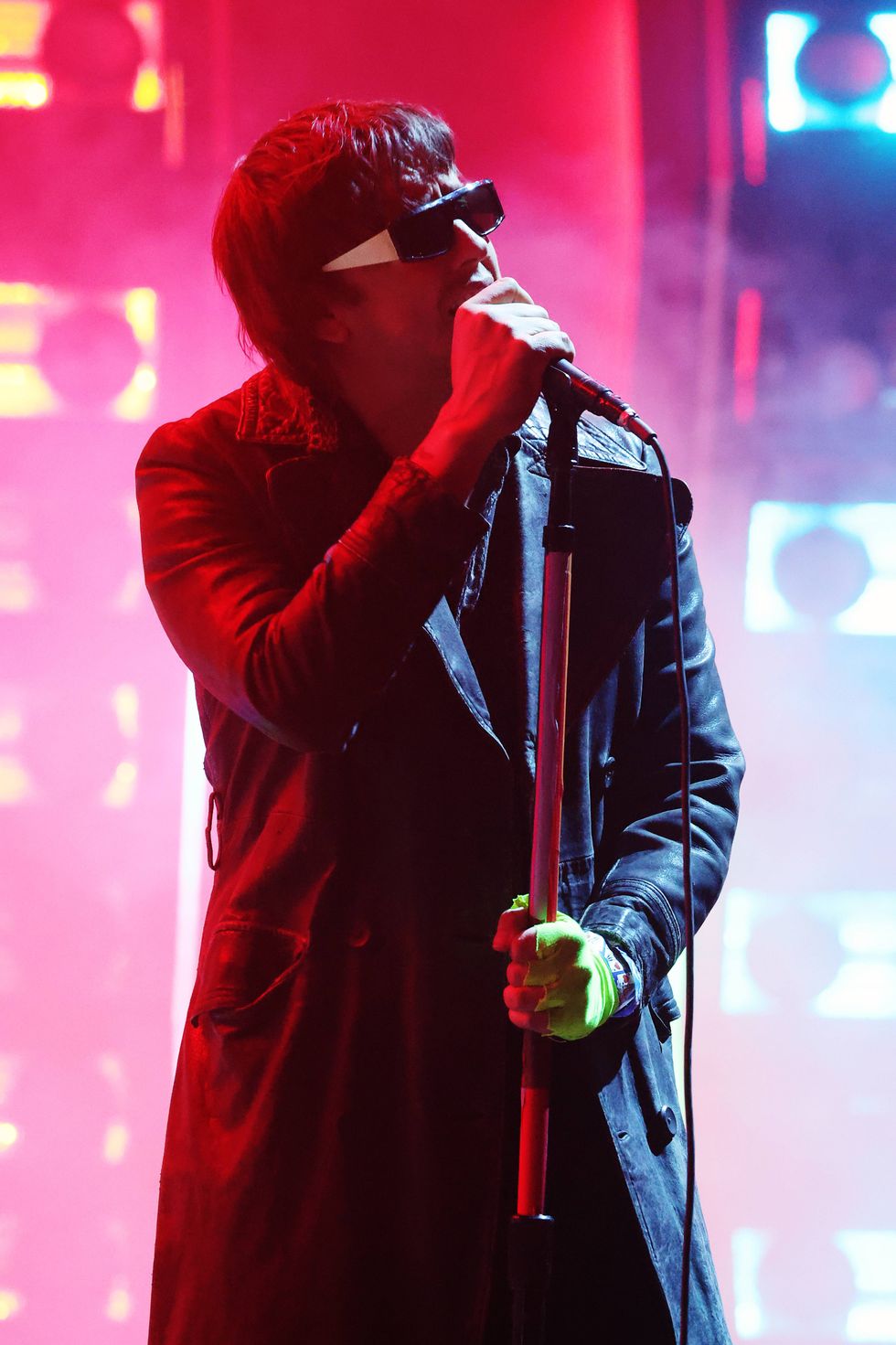
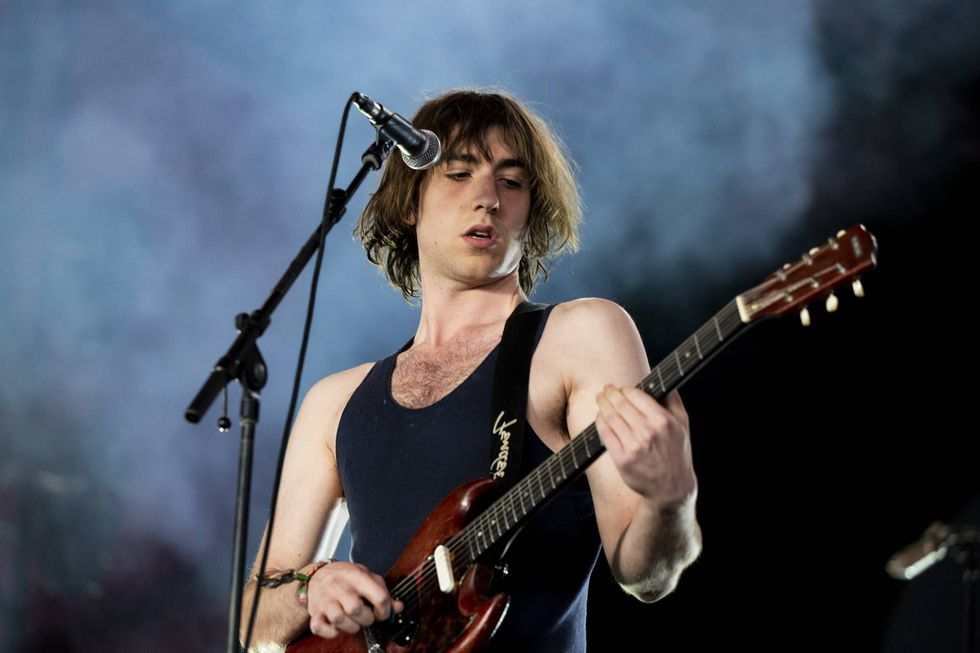
Yes, Julian Casablancas and Cameron Winter look kind of similar. But this pairing is more than that. It’s in their New York nepo-adjacentness, in how young they both were when their respective bands took off (Casablancas was 23 when Is This It dropped; Winter was 21 for Geese’s 3D Country and 22 when he dropped Heavy Metal), and in both exuding their own kinds of frontman energy from the jump. The way Winter slips between Geese and his solo work mirrors how Casablancas moved through his career, dropping solo LPs and later forming a whole different group with The Voidz. Winter’s presence ensures Casablancas’s New York City rock lives on.
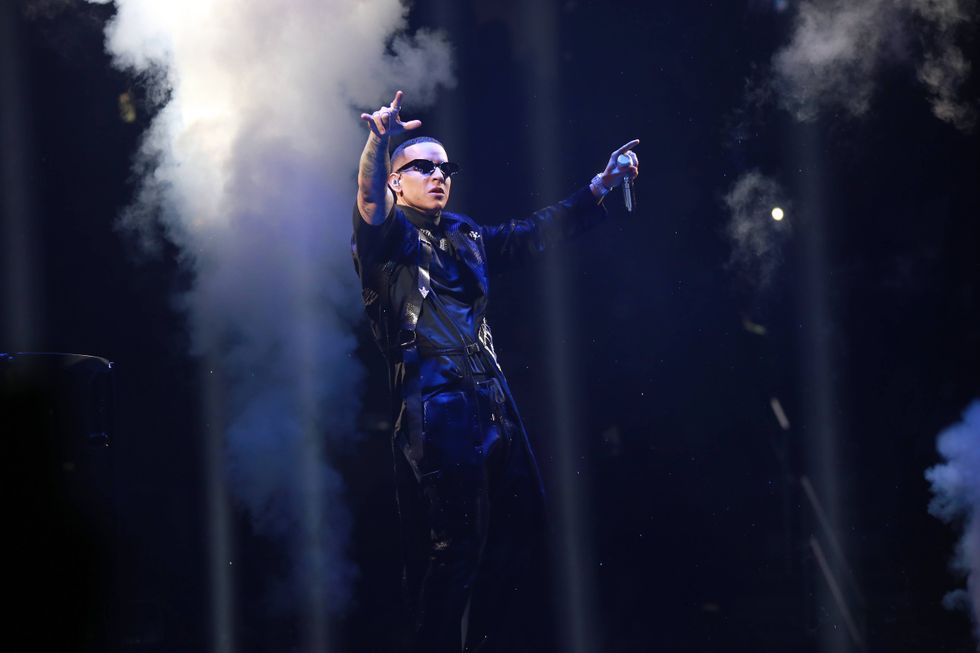
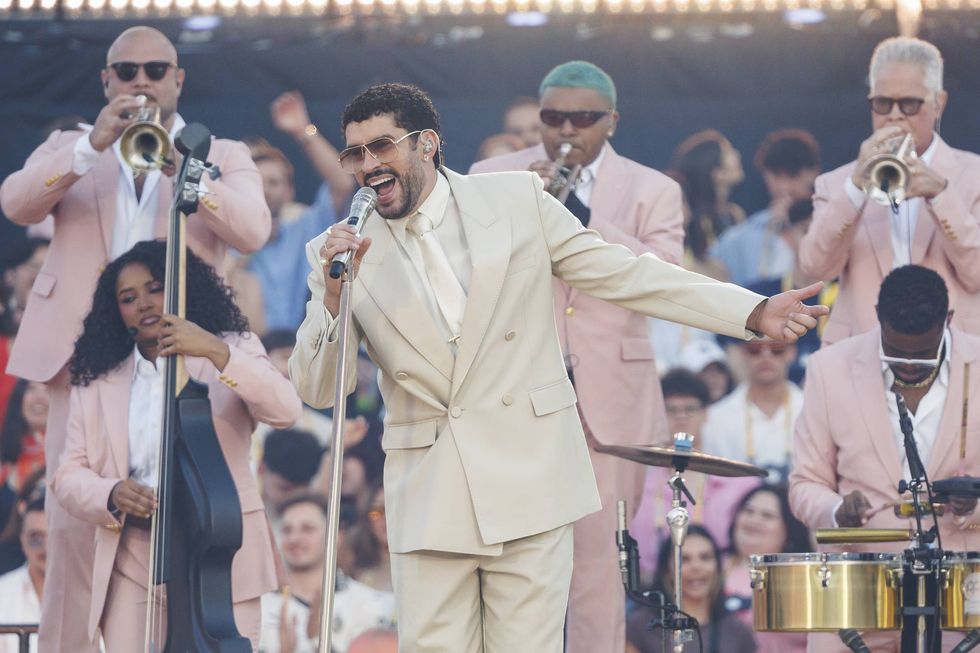
If Daddy Yankee broke reggaeton and Latin pop into the mainstream, Bad Bunny launched it into the stratosphere. Benito has repeatedly cited Ramón Rodriguez as a source of inspiration since the start of his career, and they feel like two harbingers of Latin pop for two different generations of listeners. With “Gasolina” and the rest of his 2004 LP Barrio Fino, Daddy Yankee helped transform reggaeton into a global commercial force, bringing club-focused energy and dembow rhythms into the undeniable mainstream. Bad Bunny has since surpassed Daddy Yankee in popularity and longevity (the latter feels stuck in time, with a recent pivot toward Christianity, while the former is primed for a decades-long career), but his career feels like a second coming of the Latin hip-hop renaissance that Daddy Yankee kicked off in the early aughts. They both approach their music with a multifaceted mix of loverboydom, grit and pointed cultural commentary.
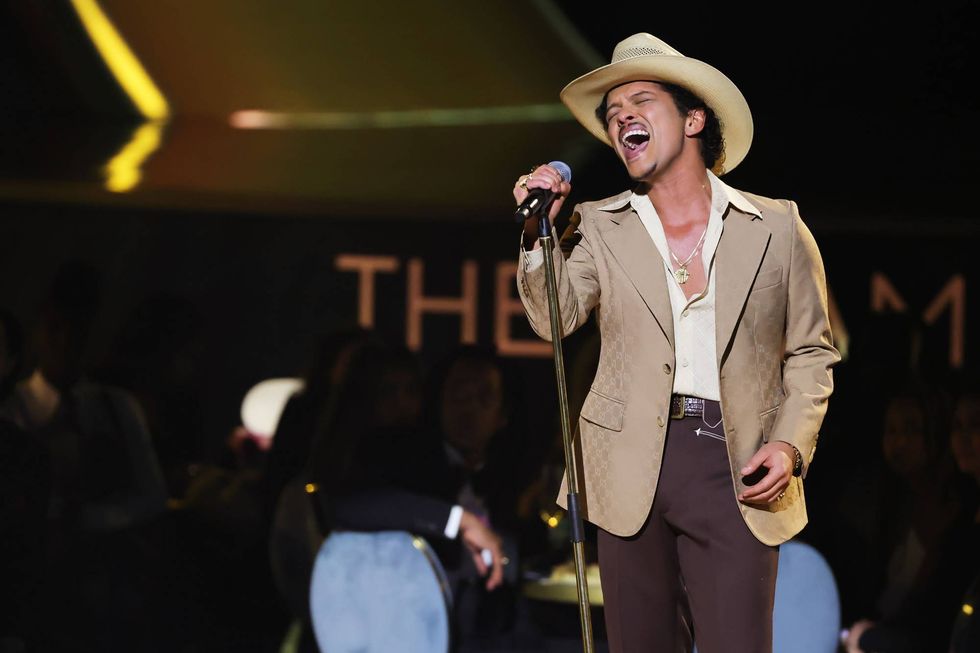
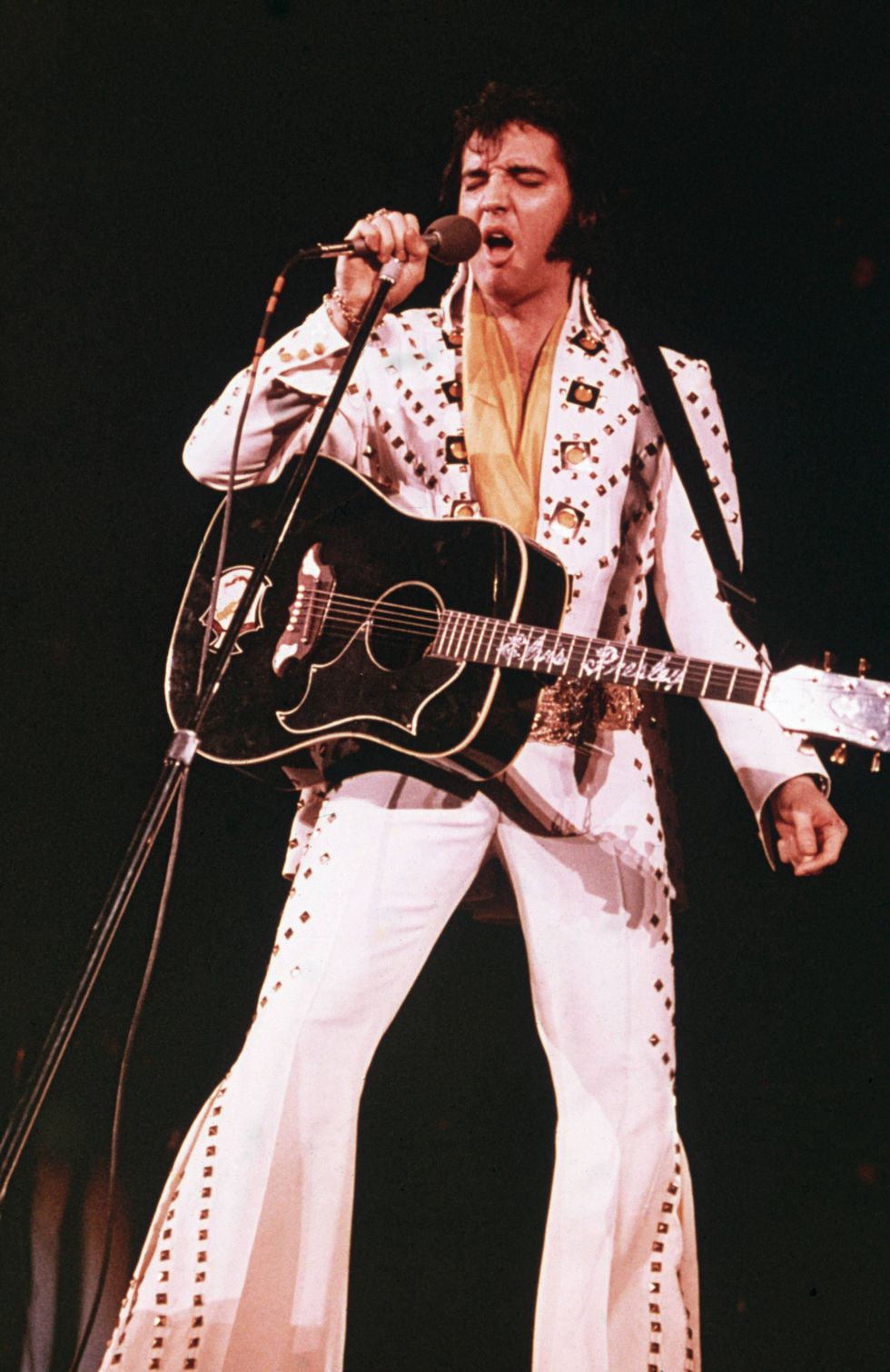
The more I look into Elvis and Bruno Mars, the more I think Mars is the definitive Elvis incarnate. In 1991, a six-year-old Mars went on the Arsenio Hall Show dressed in a full blue studded jumpsuit to flaunt his Elvis impersonation. He was the youngest Elvis impersonator of his time, and in the years since, he’s built a career almost as massive and notorious as The King himself, keeping and morphing some of Elvis’s most well-known iconography (his quiff, his aviators) for the 2010s. And he’s certainly followed in his footsteps in a mid-to-late-career pivot to Vegas residencies. (Elvis did 636 sold out shows at the Westgate in seven years, while Mars, who just completed his ninth year at Park MGM, has done over 100. Both grossed in the hundreds of millions.) Elvis’s inexplicable attachment to Mars’s home state of Hawaii makes it all the more uncanny.
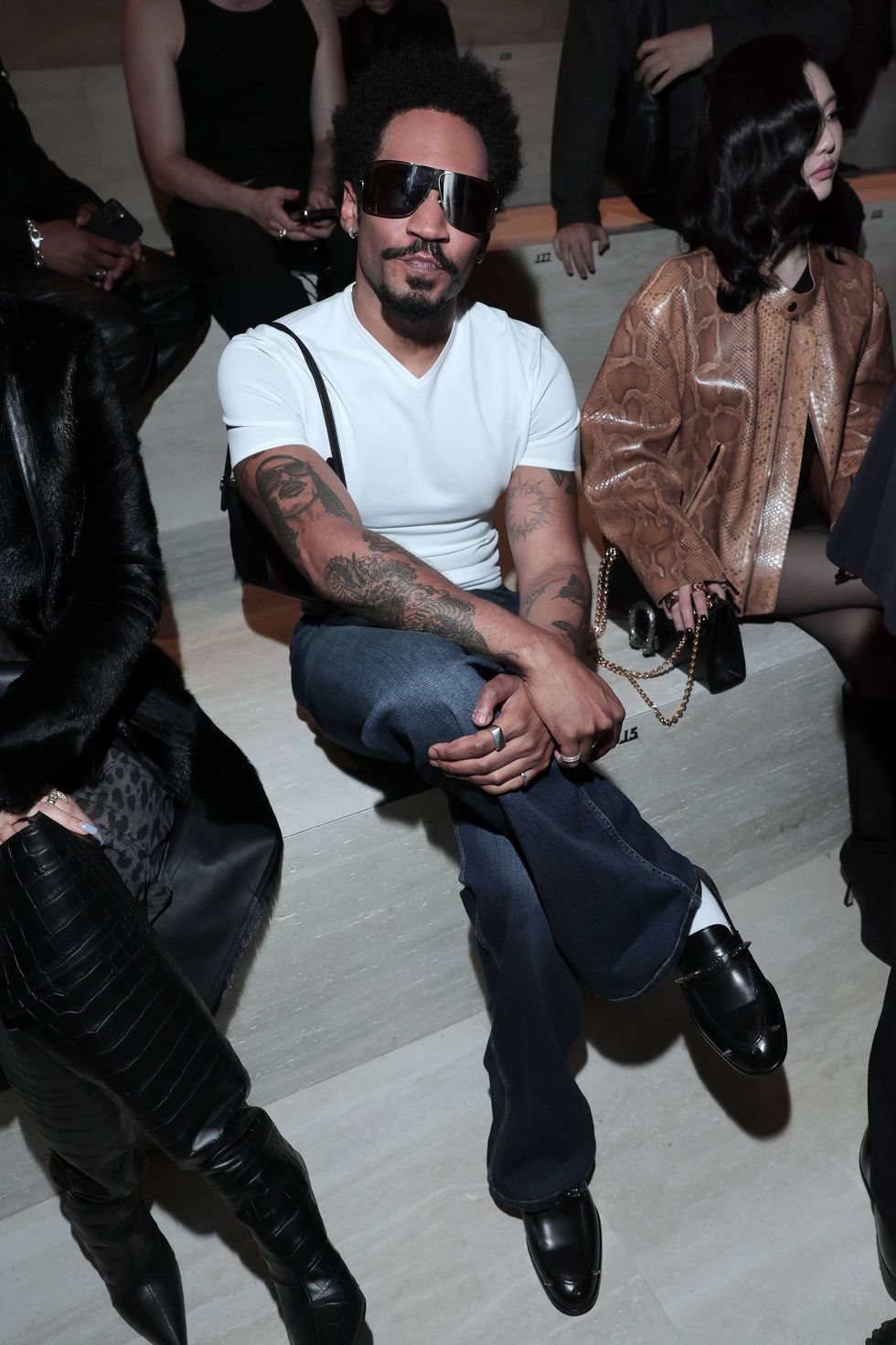
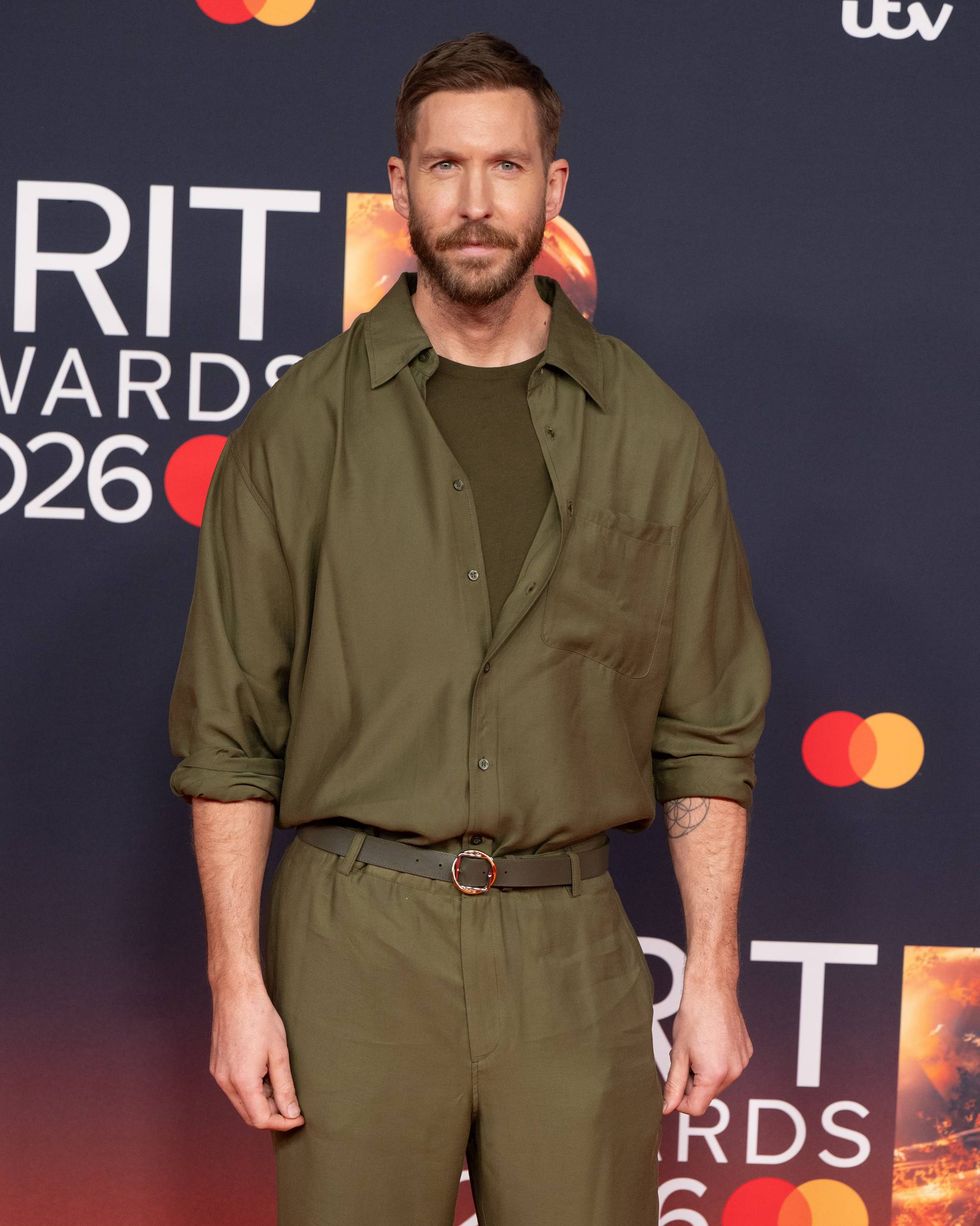
In 2016, Kaytranada had some words to share on X (then Twitter) about Calvin Harris: “Like straight up, pop stars and edm dj collabs are like boiled chicken with no-seasoning,” referring to Harris’s songs with everyone from Ellie Goulding to Dua Lipa to Rihanna. He later elaborated, saying, “The pop stars collab with the big edm djs…. MUSICALLY it hasn’t evolve[d] since 2011. All I’m saying is that it would’ve been much cooler to see someone on the come-up collaborating w/ them instead of doing the same thing.”
But I’d argue that Kaytranada operates similarly to Harris, albeit with more experimentation and genre-bending (he seems to have followed his own advice.) Kaytranada’s responsible for a similar mainstream-ification of R&B descendant, turntable-centric club pop to what Harris was with 2010s dance music; Kaytranada’s Rihanna and Ellie are Kali Uchis, H.E.R., Ravyn Lenae, Tinashe and Rochelle Jordan. Both know how to work a hook, make a catchy tune and flaunt their collaborators’ strengths. They’re more alike than maybe even Kaytranada would like to admit — and that’s not a bad thing!
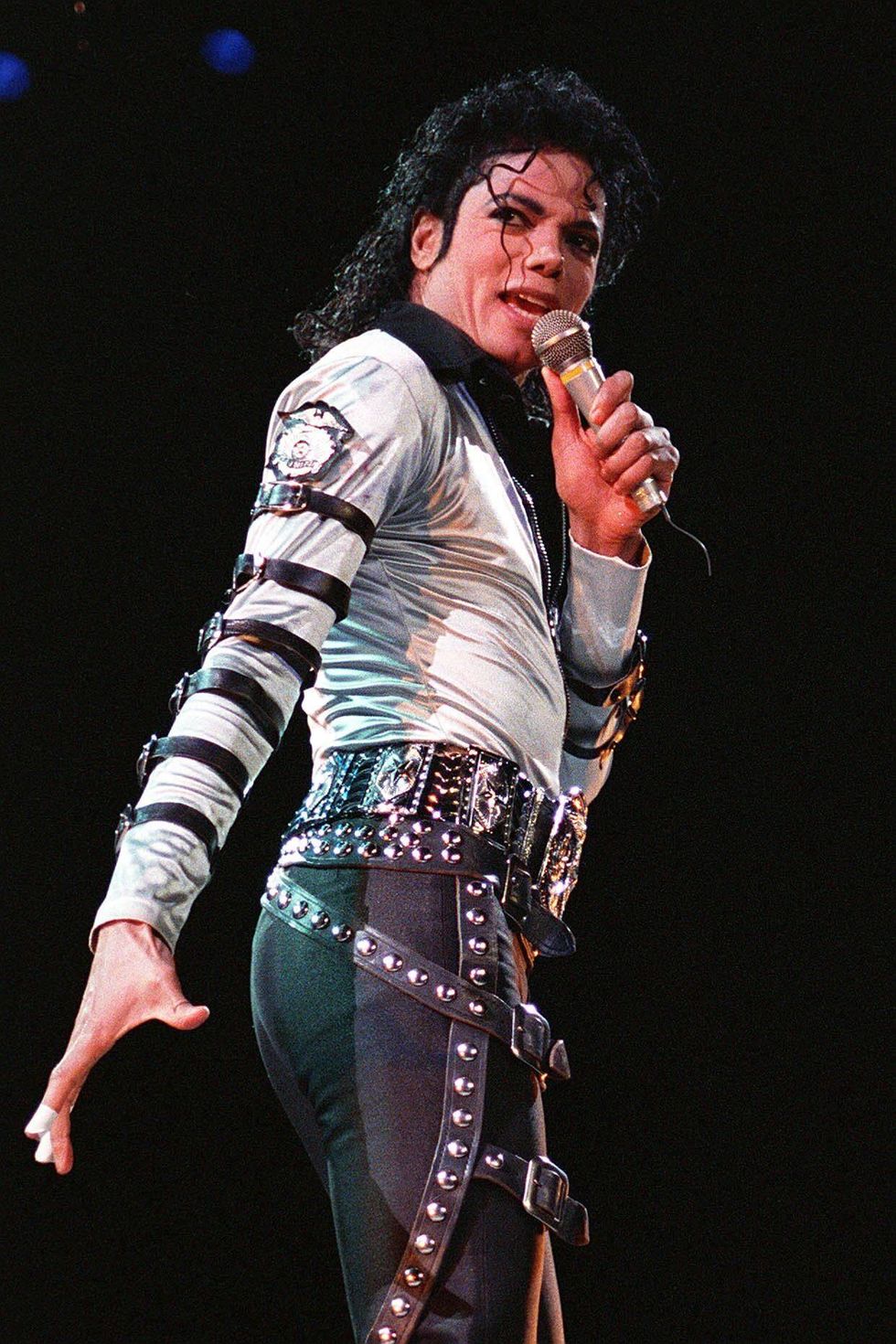
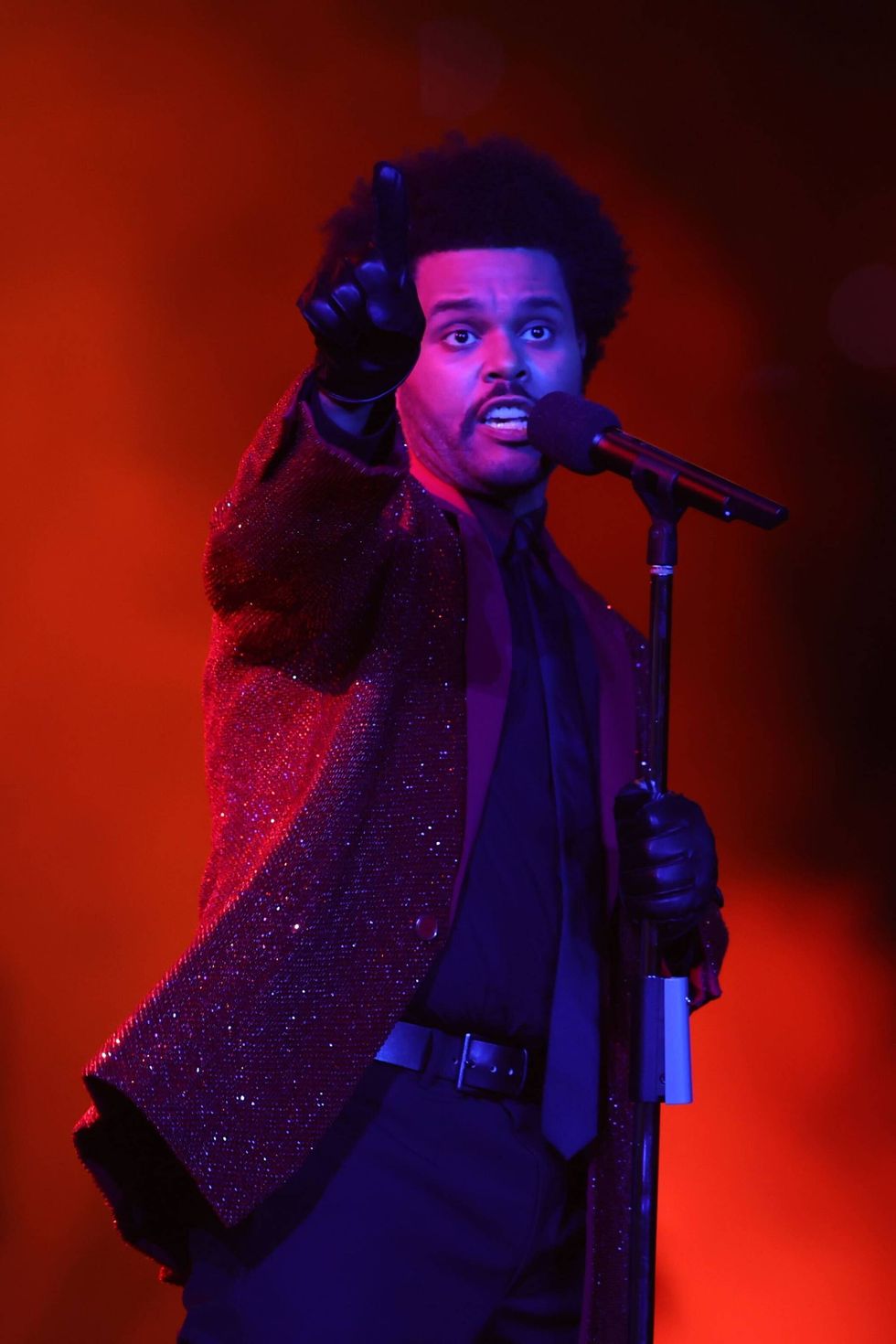
Michael Jackson’s presence, good and bad, is felt in endless facets of the music industry. Any time someone has impeccable dance skills, takes creative risks in music videos or drops an album that disrupts genres and tingles ears. But his spirit, and the complicated legacy attached to it, lives on most obviously in The Weeknd. (A horrific legacy too, no fault of Tesfaye, in light of resurfaced allegations from Jackson's victims.)
Still, like Jackson, Abel Tesfaye has grown into one of the biggest acts in modern music history, his blend of R&B and dance pop making him one of the most listened to artists of this generation (he recently became the first artist to have 30 songs on Spotify with over one billion streams, and at 5.2B streams, “Blinding Lights” is the most listened to song on the platform.) Their falsetto-leaning vocals blend with their crisp, sleek production, and both expanded from more traditional R&B into increasingly maximalist, synthpop-adjacent work over time, while also foraying into film, TV, and other multimedia-centric projects throughout their careers (Tesfaye in Uncut Gems; Jackson in The Wiz and Moonwalker).
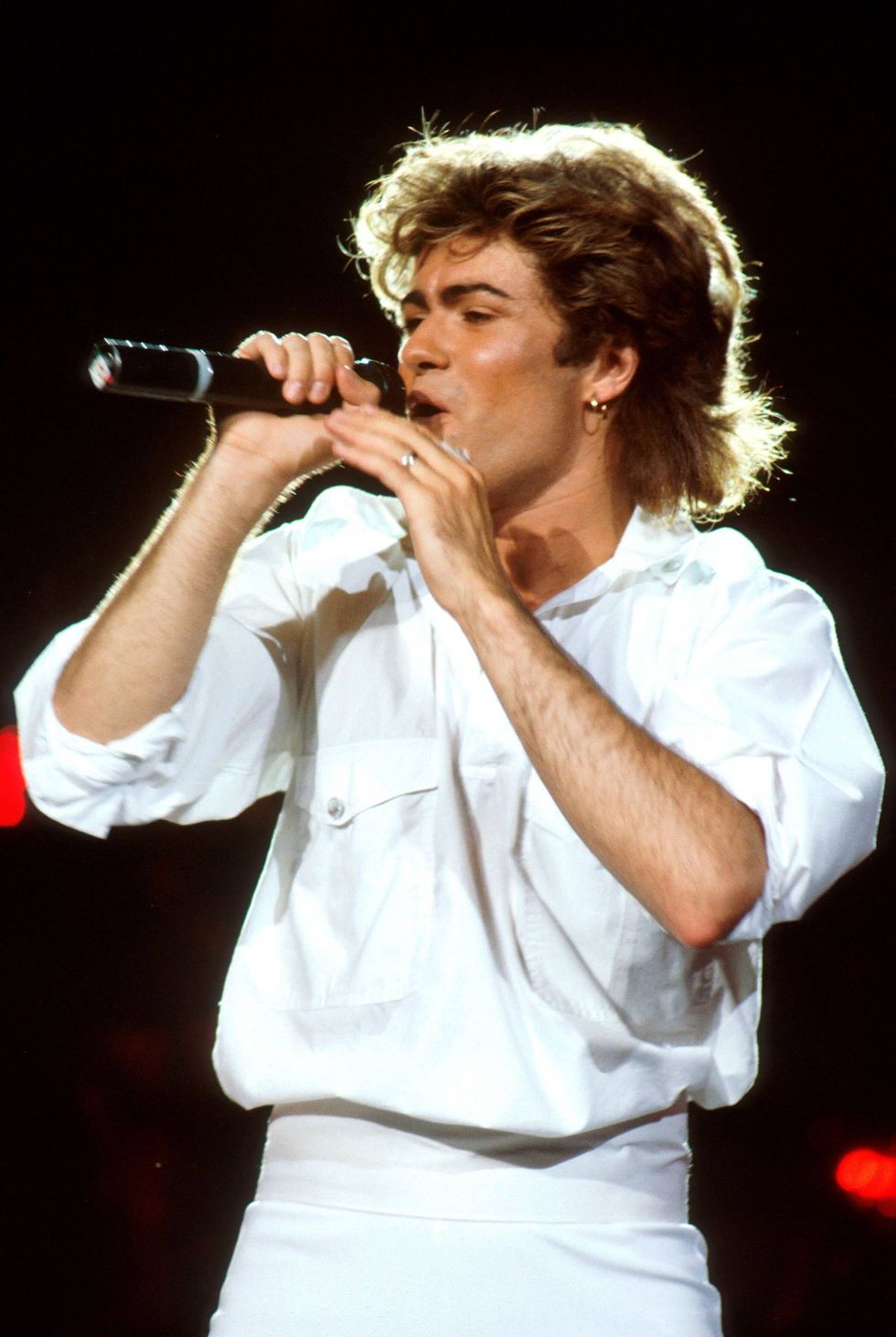
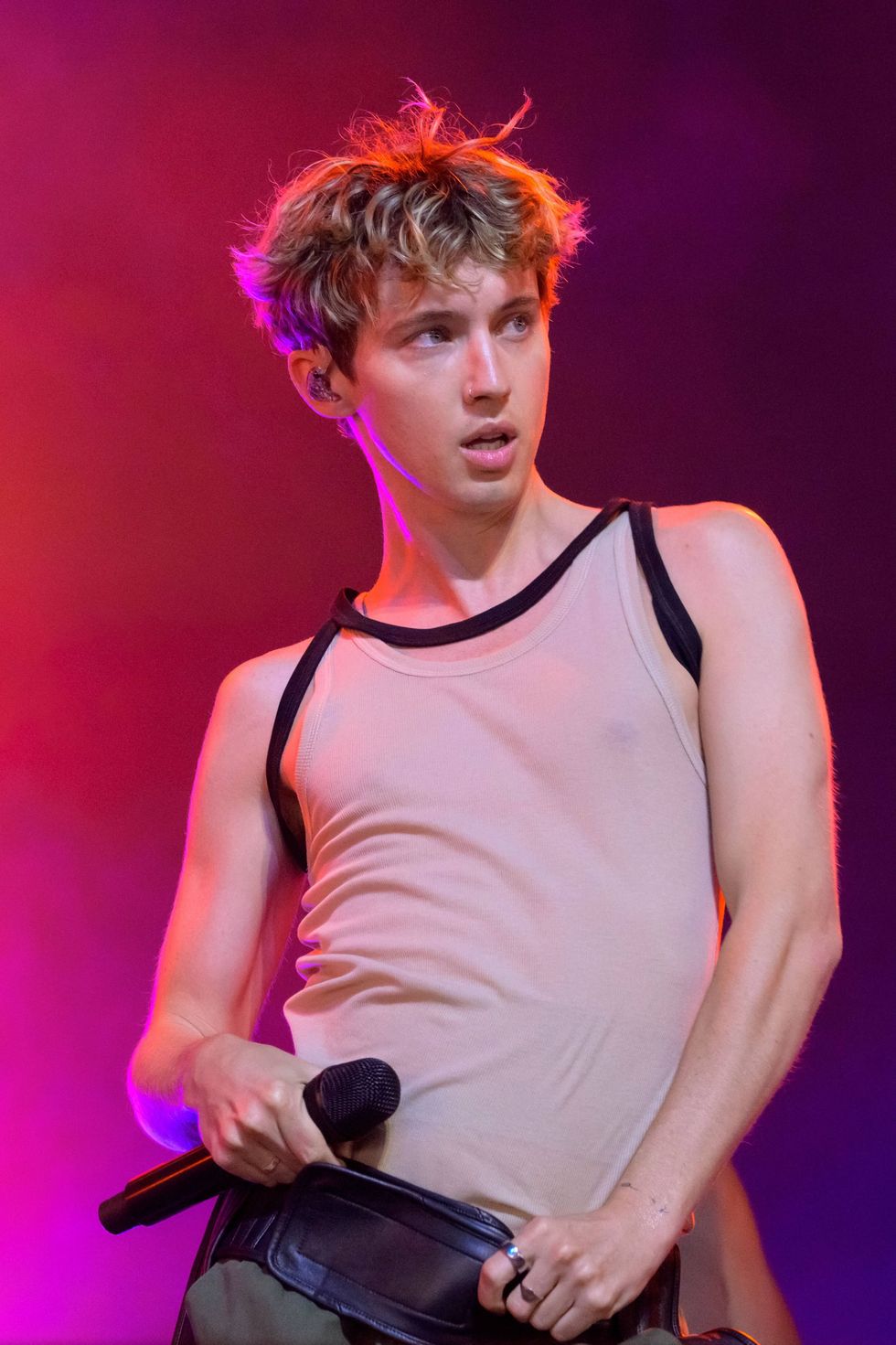
The definitive and self-proclaimed “Father Figure,” George Michael (his artistry, songwriting and overall career) is integral to why and how artists like Troye Sivan exist today — and can exist so unequivocally out.
Sivan’s music mirrors the emotional depth that’s at the core of so many of Michael’s songs (especially post-AIDS crisis, post-being outed.) Tracks like “How To Stay With You” and “One of Your Girls” hide vulnerability in funkier club beats. The former, specifically, hit a certain part of the 2020s pop sphere as I imagine “Careless Whisper” did for the ‘80s mainstream.
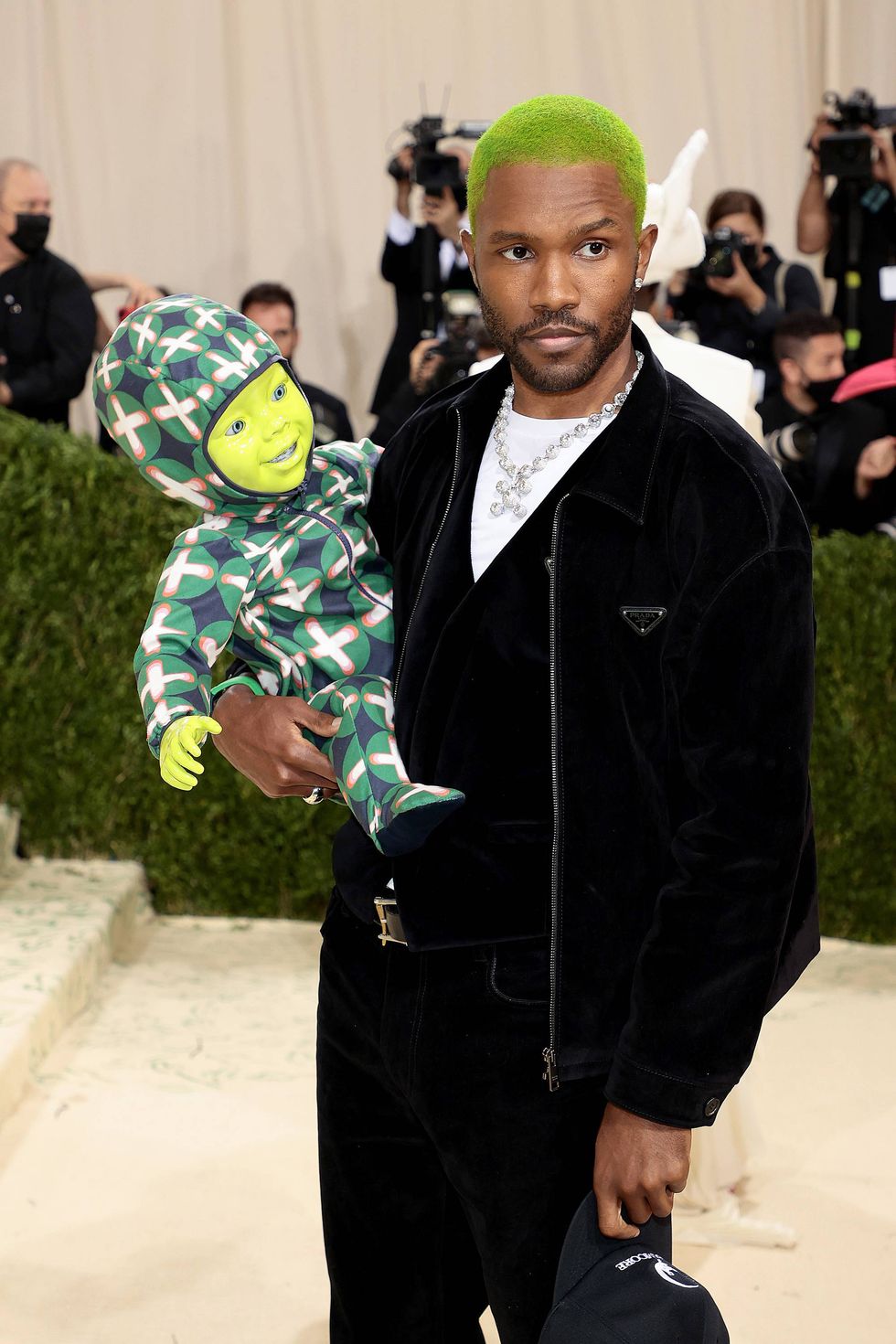
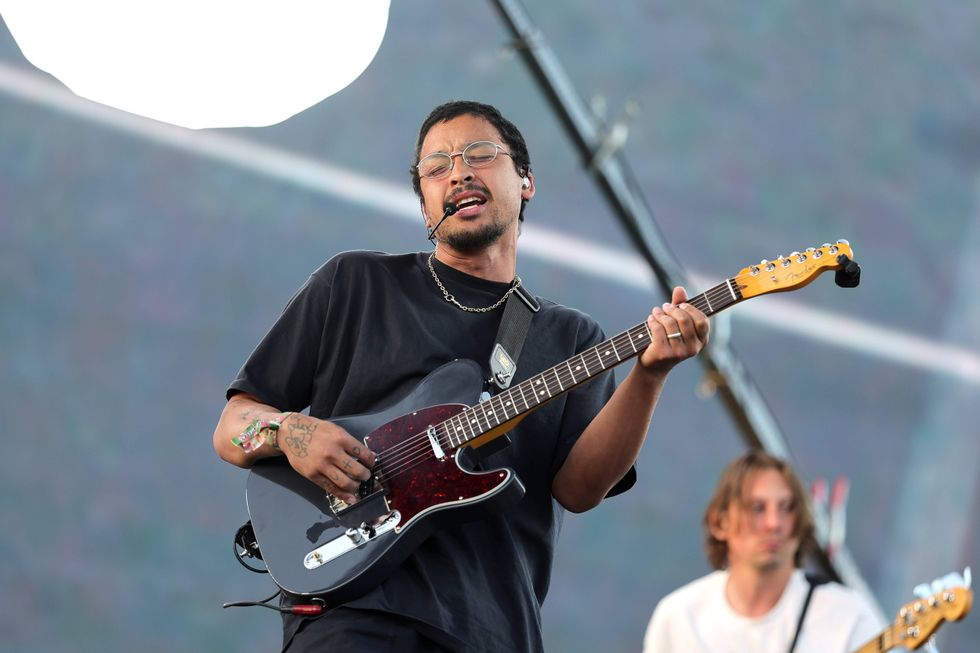
Dijon has unintentionally filled a Frank Ocean void in the 2020s, and I didn’t realize how many people feel the same way until I dug deeper into their paths.
Both of them deal with heartbreak and anguish with poeticism; their music is centered on love but is emotionally expansive, diving into the more specific emotions that lie beneath. Both of their music feels like dream states, warm and fuzzy like you could wrap yourself in a sweater of their sounds. Faraway vocals and slowed, molasses-type ambiance mix with endless reverb and bleeding instrumentation. Their catalogs and collaborations show a genreless approach to songwriting, Dijon leaning into guitar-based, rootsy Americana (across Absolutely and in his production work with Bon Iver), while Ocean toyed with rap and hip-hop with Odd Future in his early years and A$AP Rocky later on.
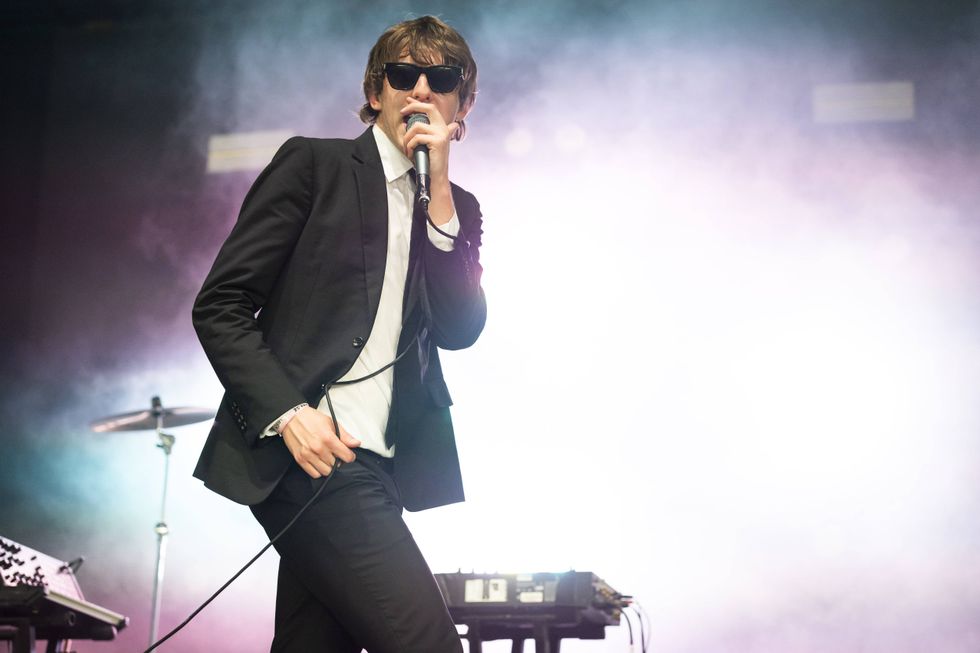
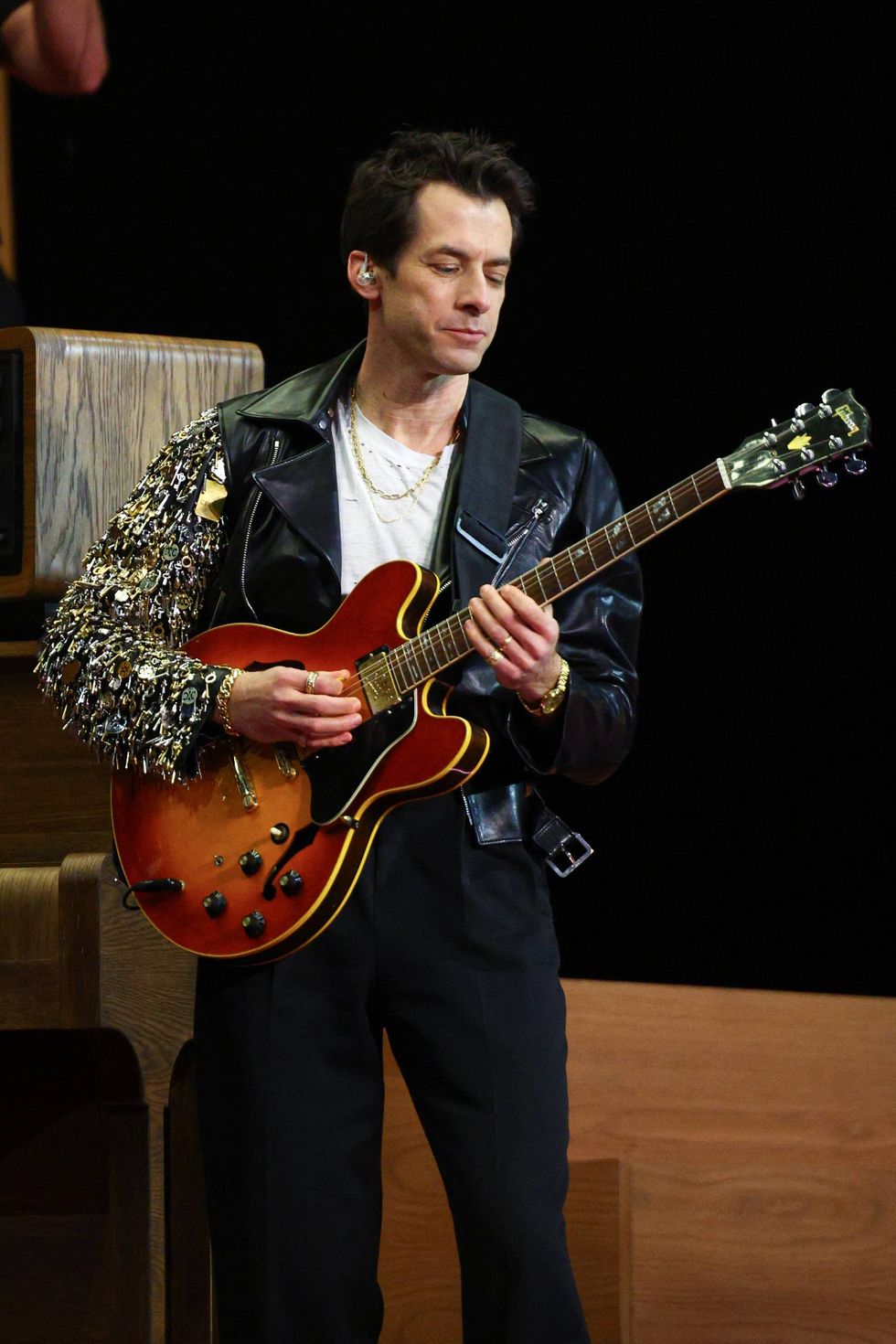
If any of these father-son pairs are evil renditions, The Dare is categorically Evil Gen Z Mark Ronson. These two producer-forward, DJ-adjacent, NYC lore-fests have made their own impact on pop with their solo discographies, but more importantly, with their production work. While Ronson has worked with Dua Lipa, Lady Gaga and Amy Winehouse, The Dare’s hyperpop flirtations with Charli XCX, PinkPantheress and ADÉLA have made him left-of-center pop’s favorite collaborator. I’m not sure if we’ll see Harrison on the next Barbie soundtrack, but maybe he’ll be on Jordan Firstman’s nonexistent-but-probably-already-in-the-works Club Kid follow-up.
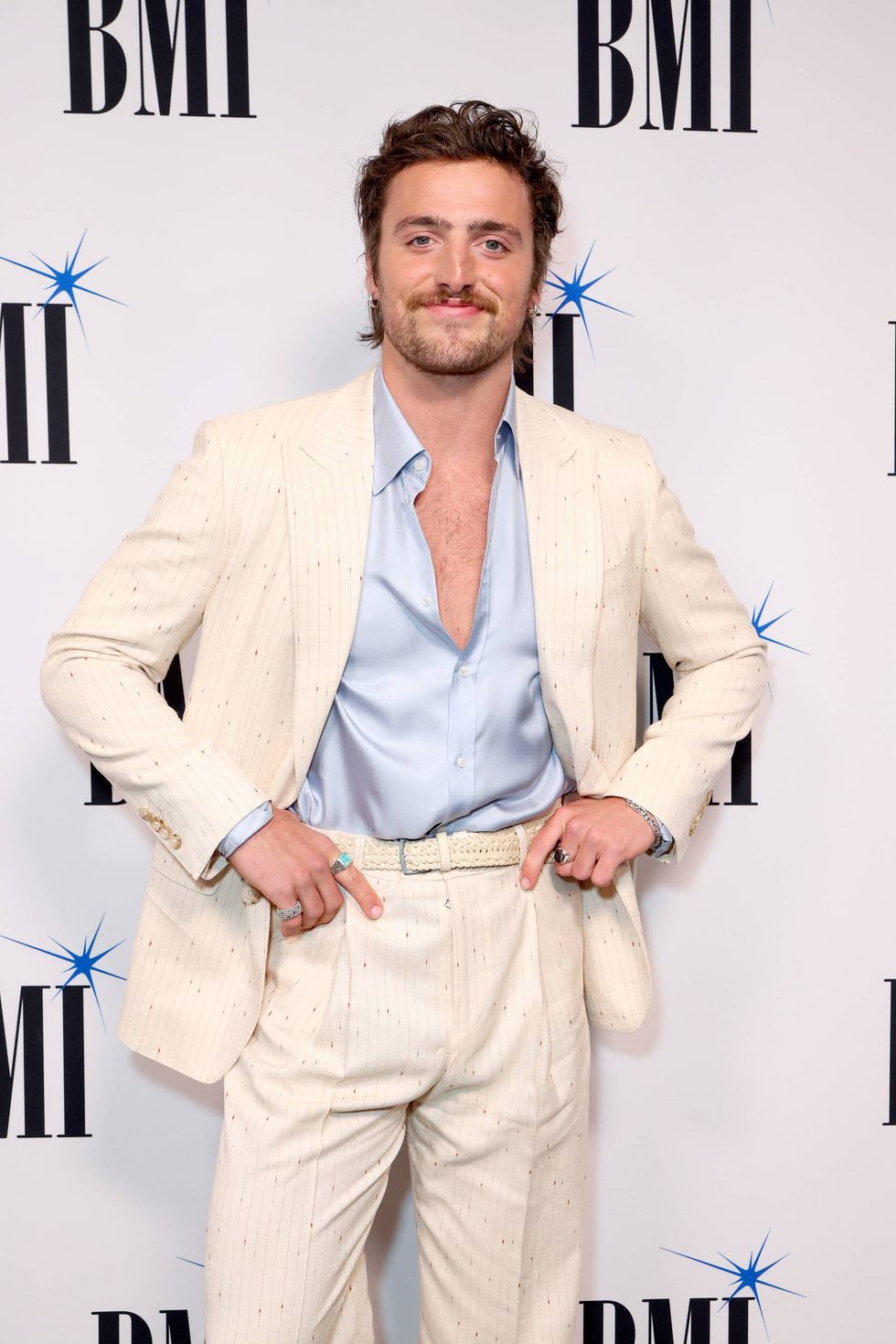
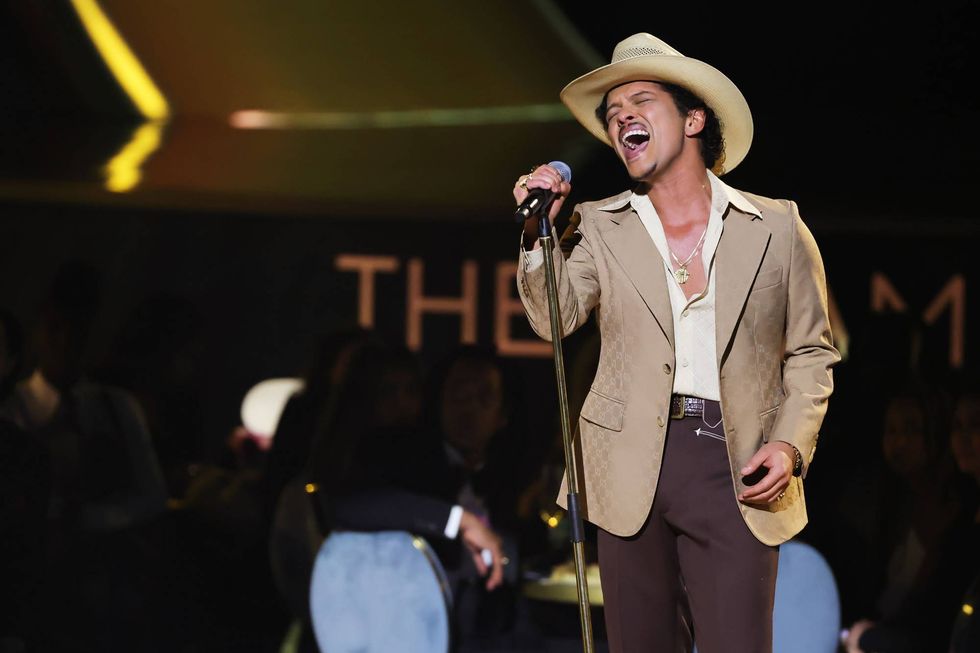
Bruno Mars, son of Elvis, is also, almost unavoidably, a father to many. But no son is more legitimate than Benson Boone. Boone is spiritually Bruno Mars, even if people conflate him with Harry Styles. It’s in the way I'm force-fed their music in grocery stores and airports everywhere. The way they both have undeniably strong voices (Boone covering Adele really did something to me.) But their songs just couldn’t fall flatter, couldn’t feel more like staring into a commercialized pop void.
Tell me you can’t picture Boone doing endless Vegas residencies in 15 years, backflipping into oblivion.
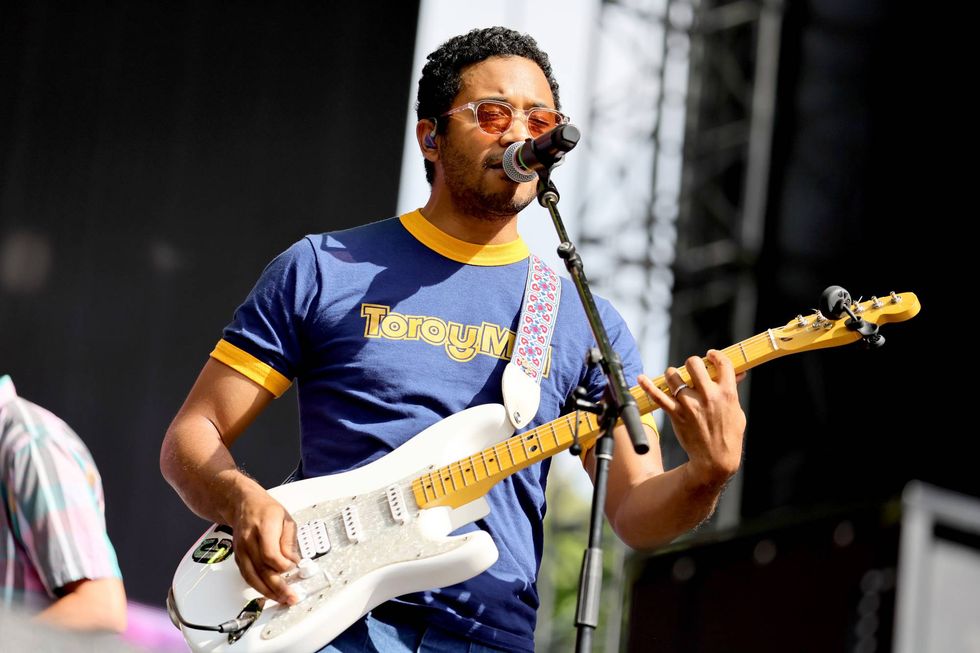
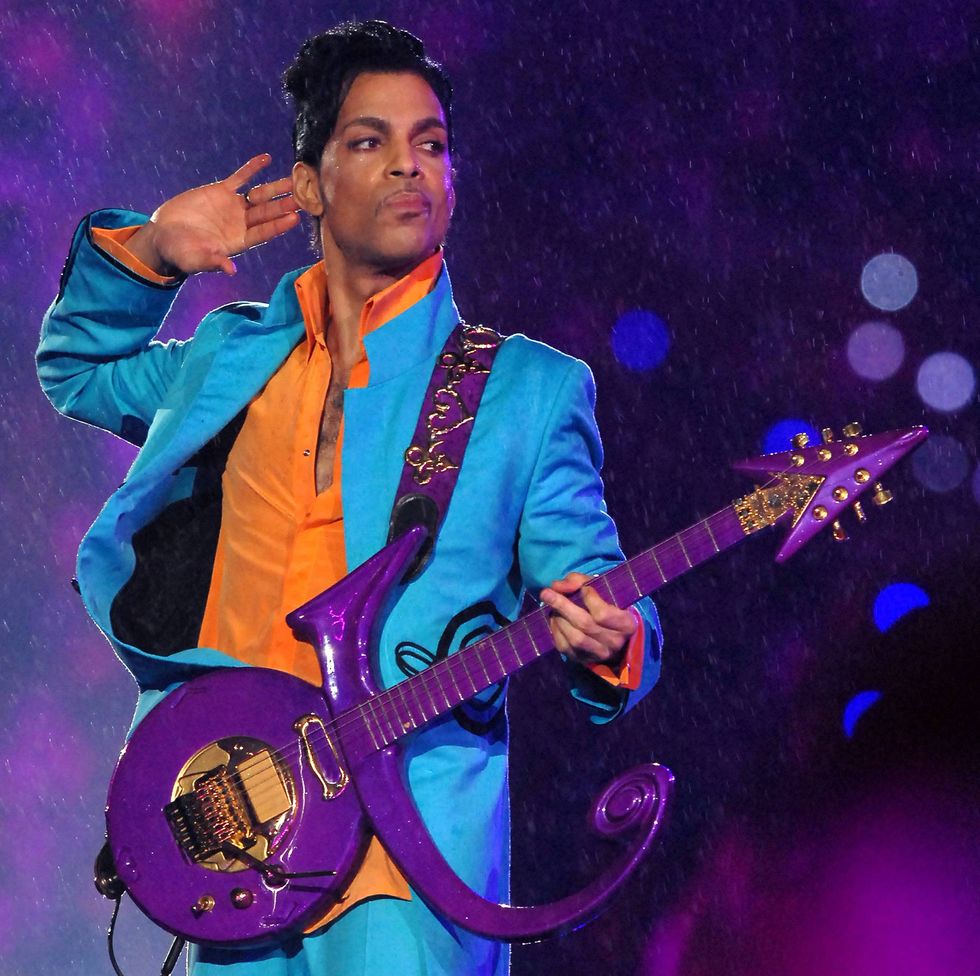
Prince built an entire career around refusing categorization, never staying in one place sonically long enough for everyone else to catch up to him. Chaz Bear takes this sensibility into Toro y Moi, blending and morphing between funk, rap, indie rock and psych pop (Bear has noted that Prince’s drums had a specific impact on his drum programming.) Born in the ‘80s, Bear takes to the time’s synth emphasis and hyper-electric, wah-heavy guitar tones. Mood and momentum drive each of their sounds, both artists maintaining a kind of ubiquitous presence where you broadly know what you’re gonna get, even if it could realistically sound like anything.
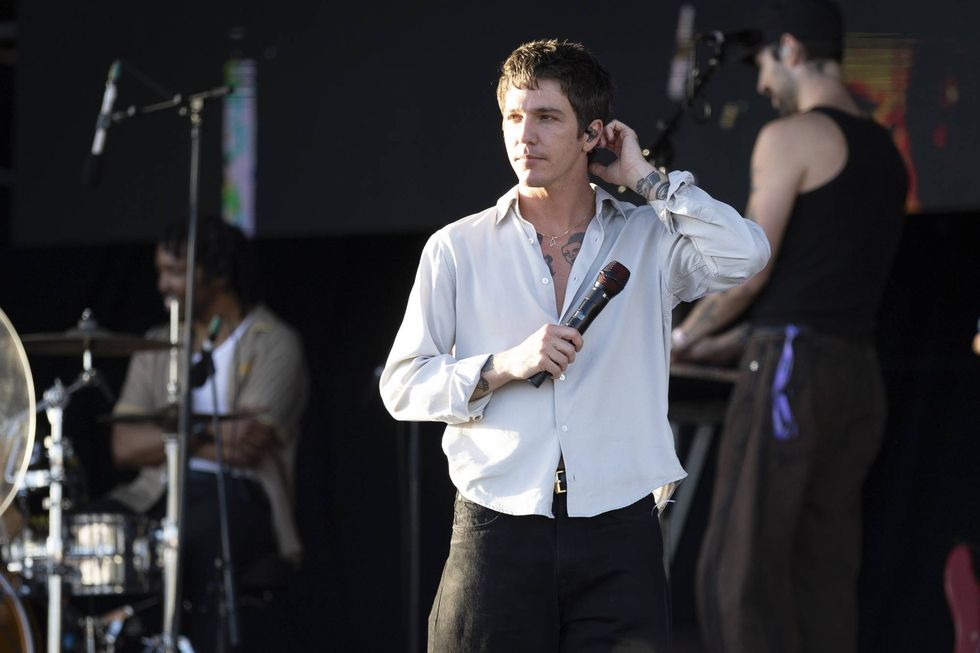
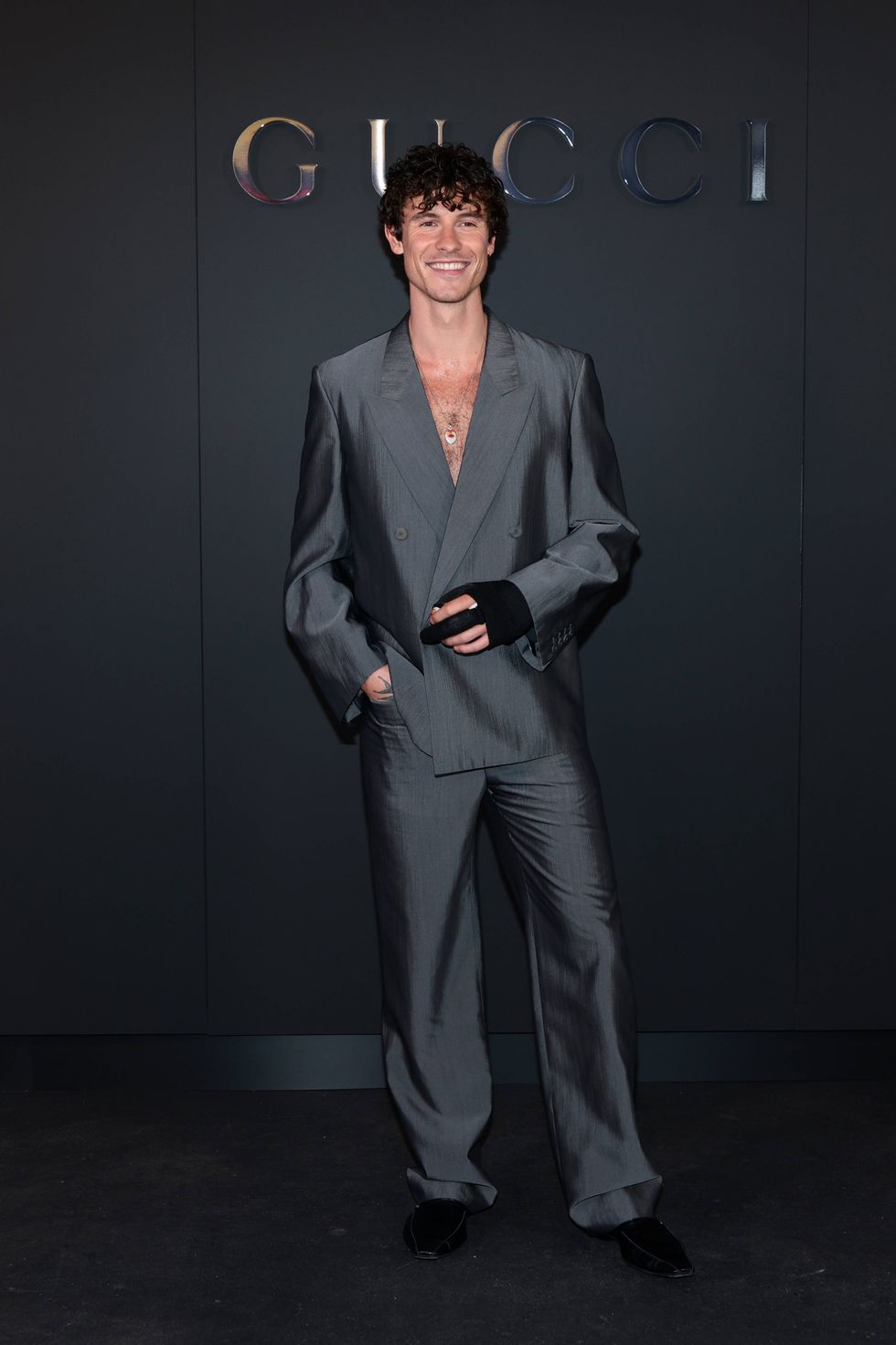
I actually don’t care if Shawn Mendes is two years younger than ROLE MODEL. I literally could not care less. You just can’t tell me Tucker Pilsbury isn’t the 2020’s version of “Lost in Japan”-era Shawn Mendes. It’s in their white boy of the month-ness, the way I can barely tell their songs apart, the way they permeated into cultural consciousness almost without a trace. And most importantly, the way their relationships are constantly superseding their musical output.
Images via Getty