How to Build a Pop Star With 'Mother Mary' Director David Lowery
by Taylor LomaxApr 17, 2026

The alchemy of a pop icon is a tricky thing.
She (for it is only women held to this standard, or otherwise worth discussing) must, of course, be larger than life. Her iconography must be singular, a natural extension of her persona. She must also be vulnerable, lest she turn off the thousands of ticket-buyers required to sustain the whole ordeal. She must exist at the nexus of fashion, musicality, and performance, with a healthy dose of charisma to mask her necessary workmanship.
Mother Mary, the new psychodrama from David Lowery (The Green Knight, A Ghost Story) sits at the altar of this tradition. Starring Anne Hathaway as the eponymous pop star, the film tracks her comeback effort, which reunites her with her estranged fashion designer Sam Anselm (Michaela Coel). It’s immensely ambitious, at once an intimate chamber piece between its leads, glimmering pop spectacle, and moody phantasmagoria.
But for Lowery, the hardest part was getting the pop thing right.
“I wanted her to be as iconic as I possibly could make her,” he told me. “I wanted someone to whom the audience would feel extreme devotion…who would give a religious experience.”
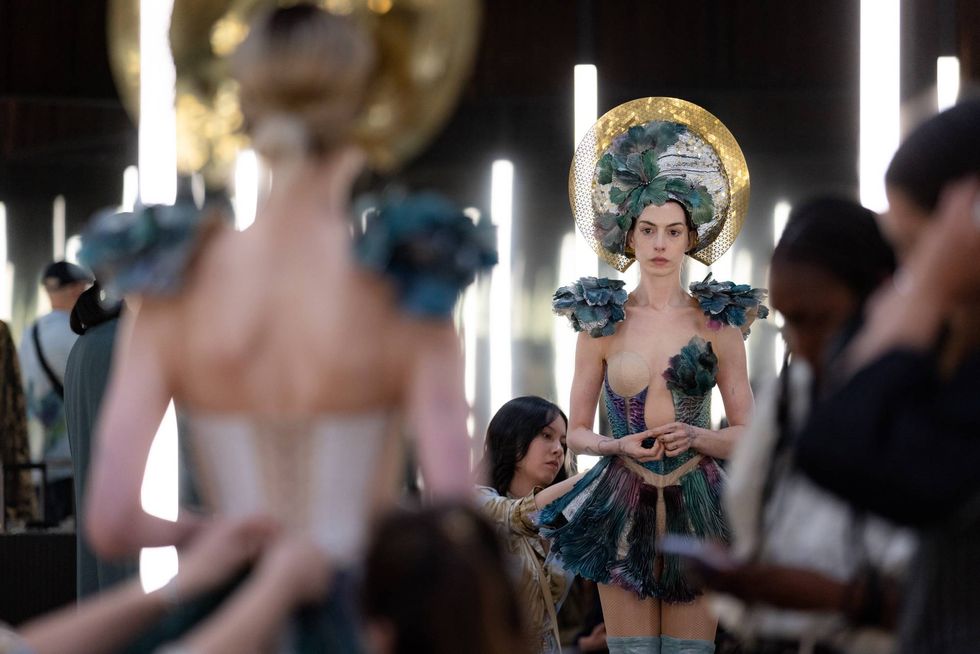
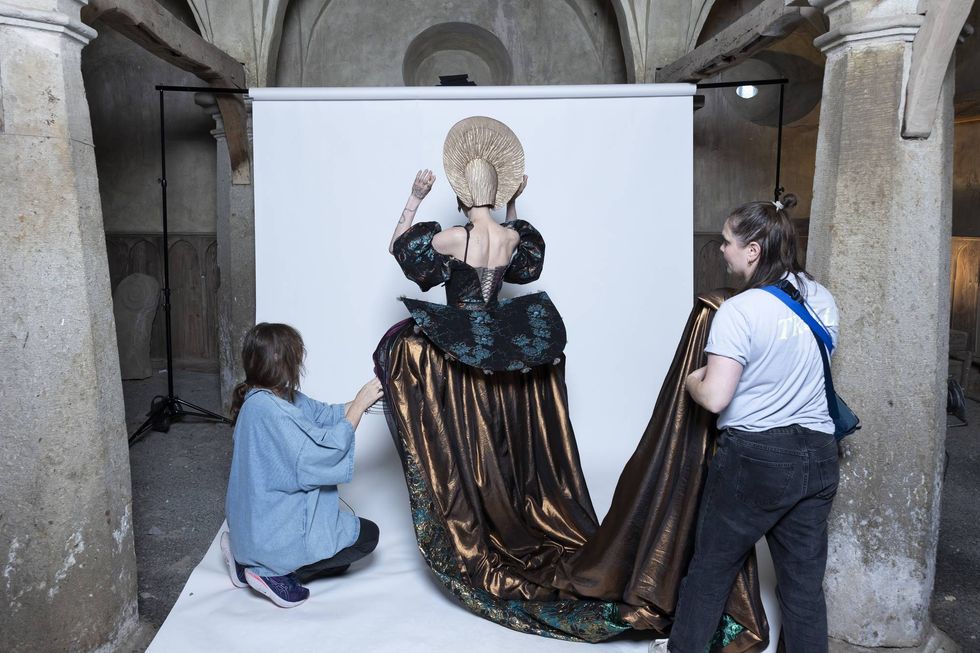
Throughout our conversation, he touched on the lexicon of references you might expect from such an endeavor: Madonna, of course, the progenitor of the modern pop star; Beyoncé’s Homecoming, which served as the “North Star” for Mother Mary’s trademark “halo” headpieces; Lady Gaga, whose 2010 VMAs meat dress inspired an anecdote about Mother Mary showing up to a carpet “wearing nothing but freshly poured honey.”
There’s also a lot of Taylor Swift in the character, with her sparkly thigh-highs, aerial show elements, the way she gallops down a runway with a wink that feels directed at you, and only you. (For those online concerned about this reference point, rest easy with the knowledge that Mother Mary does not share Swift’s stylistic tendencies.)
Considering that triumvirate model of pop stardom — fashion, musicality, and performance — the last bit was the easiest to lock into place. “We see more dancing than we do anything else,” Lowery notes, “and Annie really keyed into that.” FKA twigs, who appears in a key midfilm scene in addition to contributing original music (including a co-write on single “My Mouth Is Lonely For You”), serves as the basis for a visceral modern number, an affecting foil to the aforementioned Swiftian strut.
On the note of the music, Mother Mary’s discography comes across fully-realized and idiosyncratic, owing to some clutch collaborators in Twigs, Jack Antonoff, and Charli xcx. She skates through anthemic electropop (highlight “Holy Spirit”), brooding Banks-esque sensuality (“Burial,” which opens the film), and grandiose balladry (“Cut Ties”) with a dexterous ease — even if the process of getting there was anything but.
“To be a pop star in the way that pop stars must be in 2026 requires something that neither [Annie or I] had really processed before,” Lowery shares. “It is an insouciance that you either have or you don’t. Or you have to work really, really hard to [project] it.”
Musical excellence was a top priority for Hathaway, who we’ve heard sing before (winning an Oscar for it, lest we forget) but never like this. Lowery lovingly describes the recording process as “Sisyphean,” requiring Hathaway to unlearn years of technique to arrive at a sound that felt like it could actually chart.
“I would have been happy with…a top 15 [song]. She was like, ‘we need to have a number one hit. We can't rest until we have that.’ And so she just kept pushing that boulder uphill until finally we all heard something that we didn't know we were missing,” notes Lowery, referring here to Charli xcx co-write “Holy Spirit,” which imagines the glittery euphoria Carly Rae Jepsen might have offered Charli’s Wuthering Heights soundtrack.
For that final piece — the fashion, often the film’s focal point — Lowery, naturally, leaned on the hallowed diva/designer collaborations of the past, namely Madonna’s revolutionary partnership with Jean Paul Gaultier and Gaga’s incendiary work with Alexander McQueen. An early version of the script opened with Mother Mary taping a Life in Looks video, tracking her and Sam’s relationship through fashion. That idea was ultimately scrapped, but not before costume designer Bina Daigeler had begun realizing a collection of striking pieces emblematic of the pop star’s various “phases,” as Lowery dubs them (“eras” and “reinventions” both being spoken for).
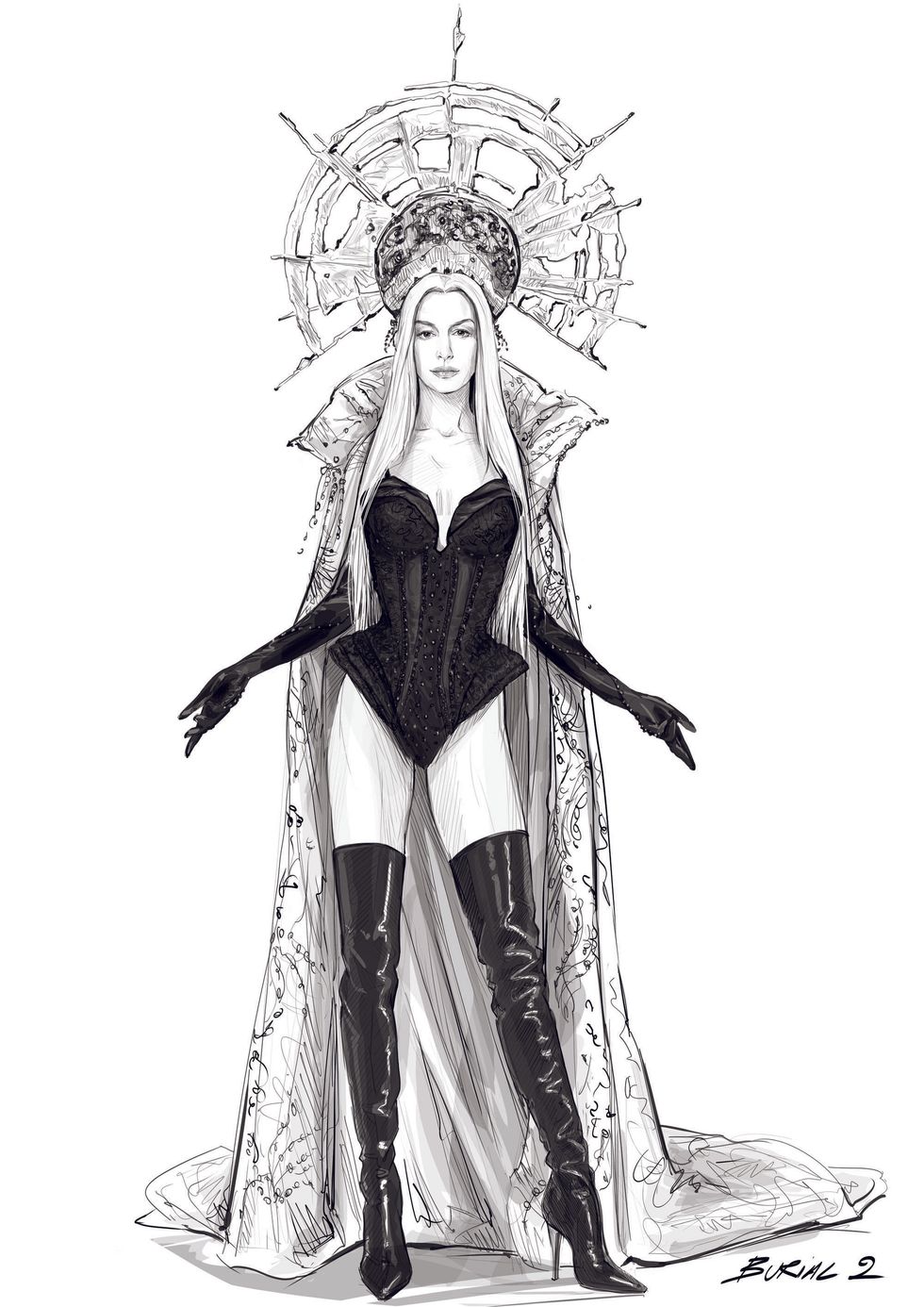
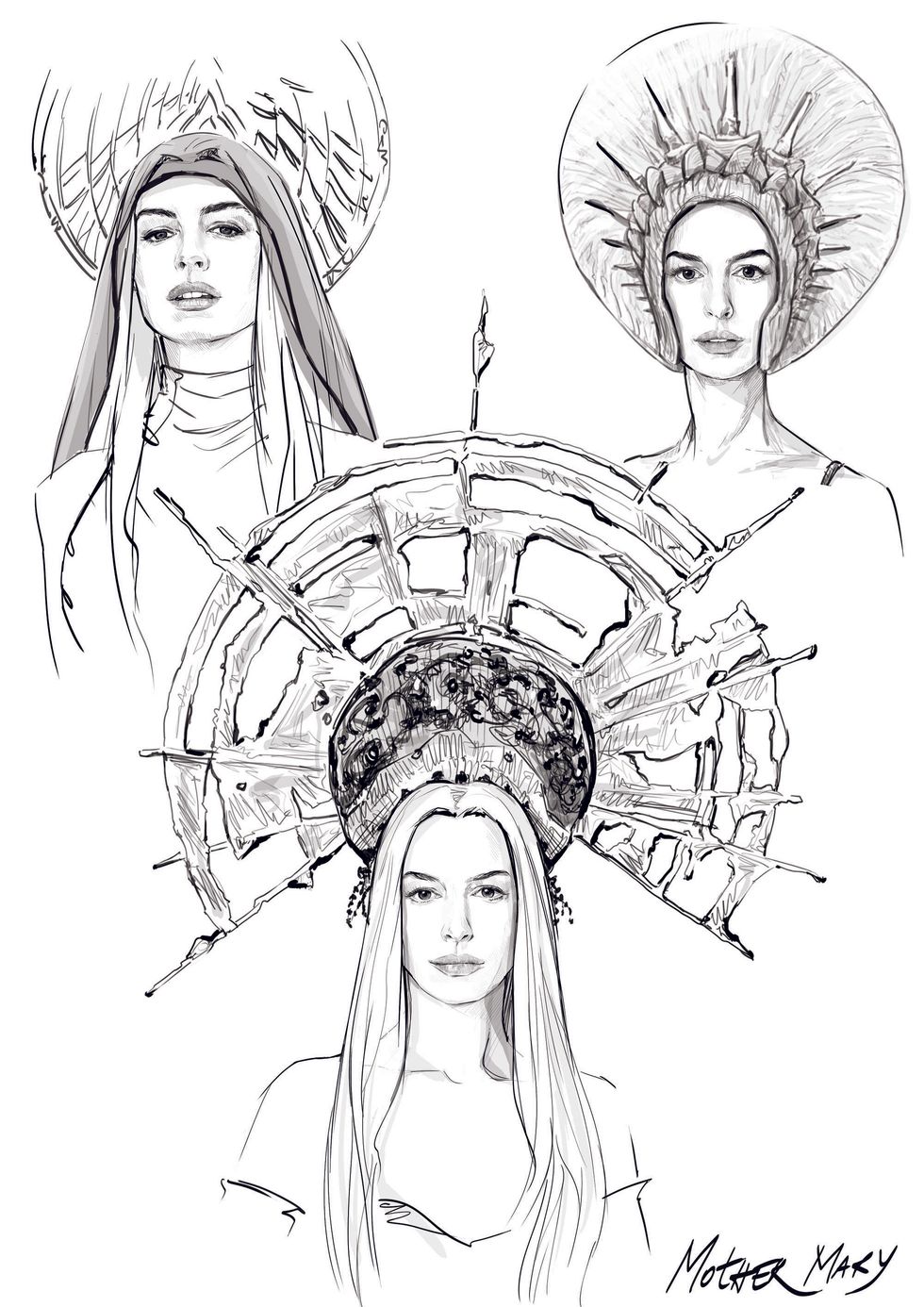
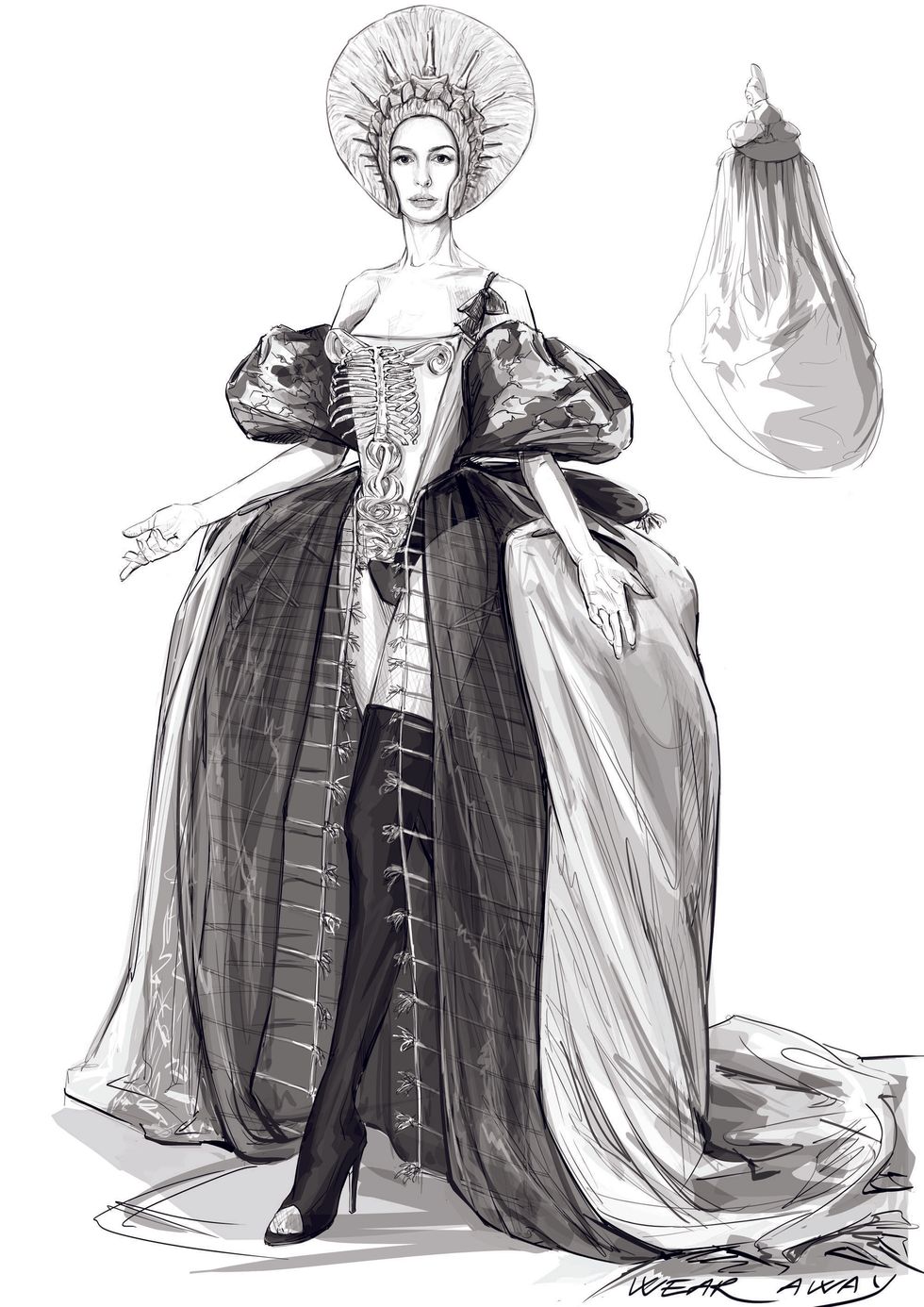
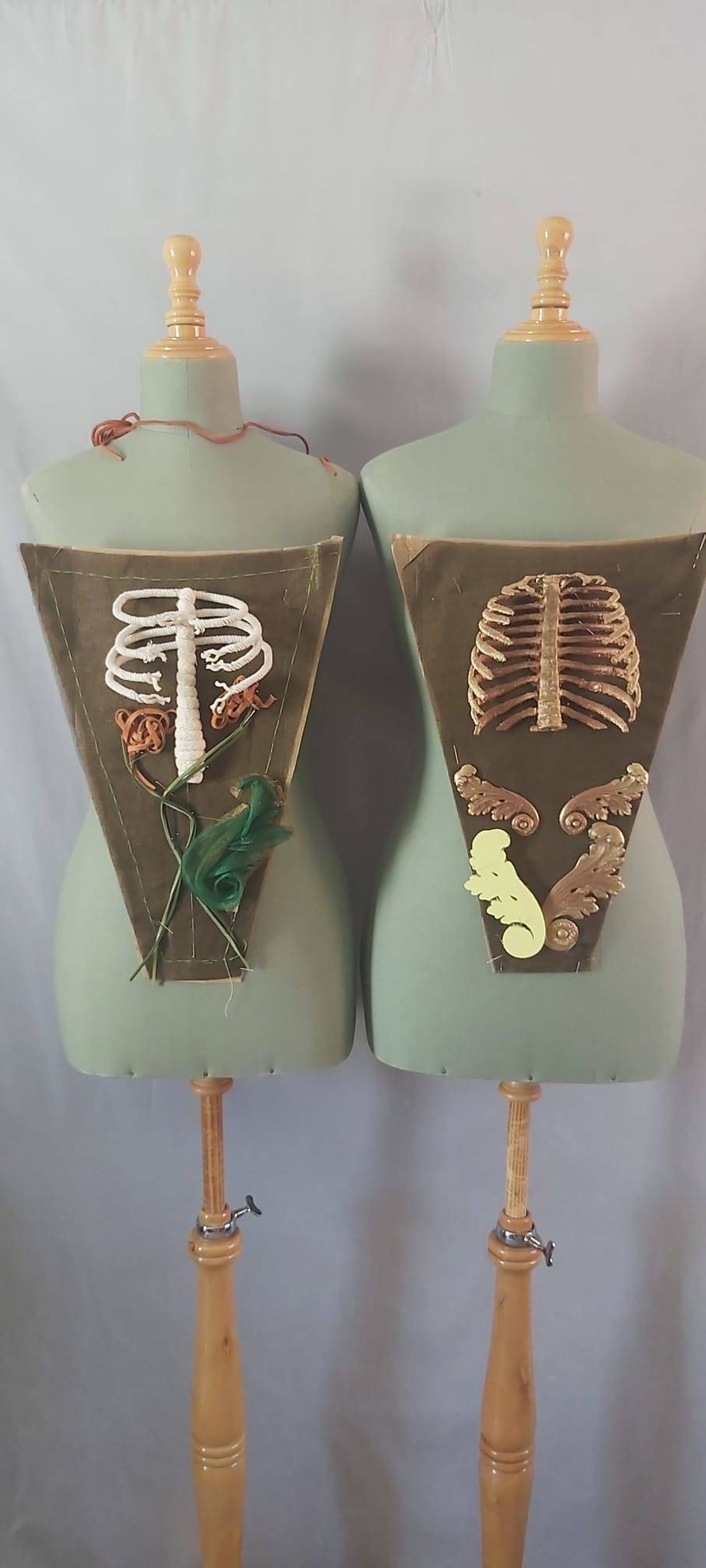
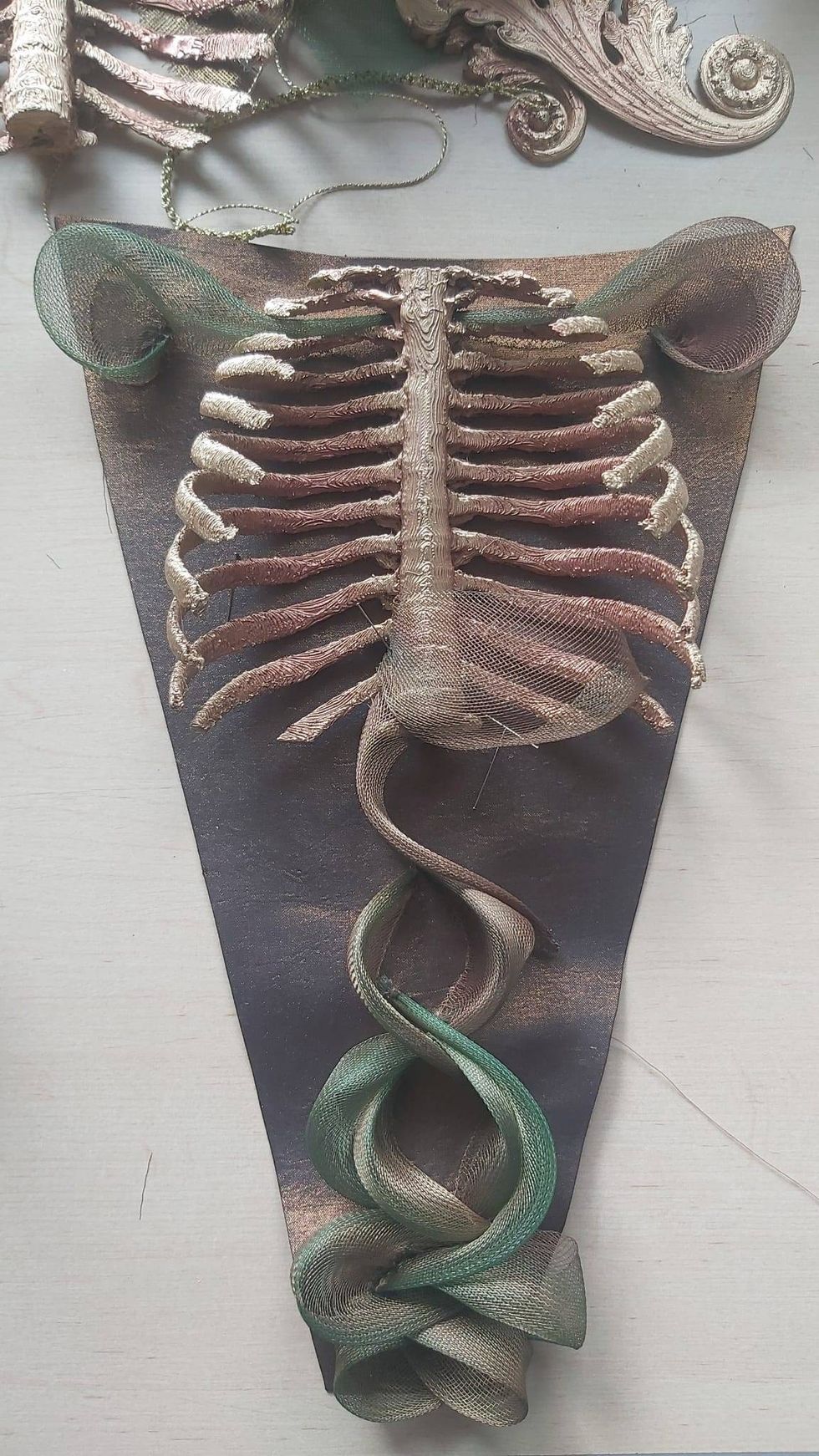
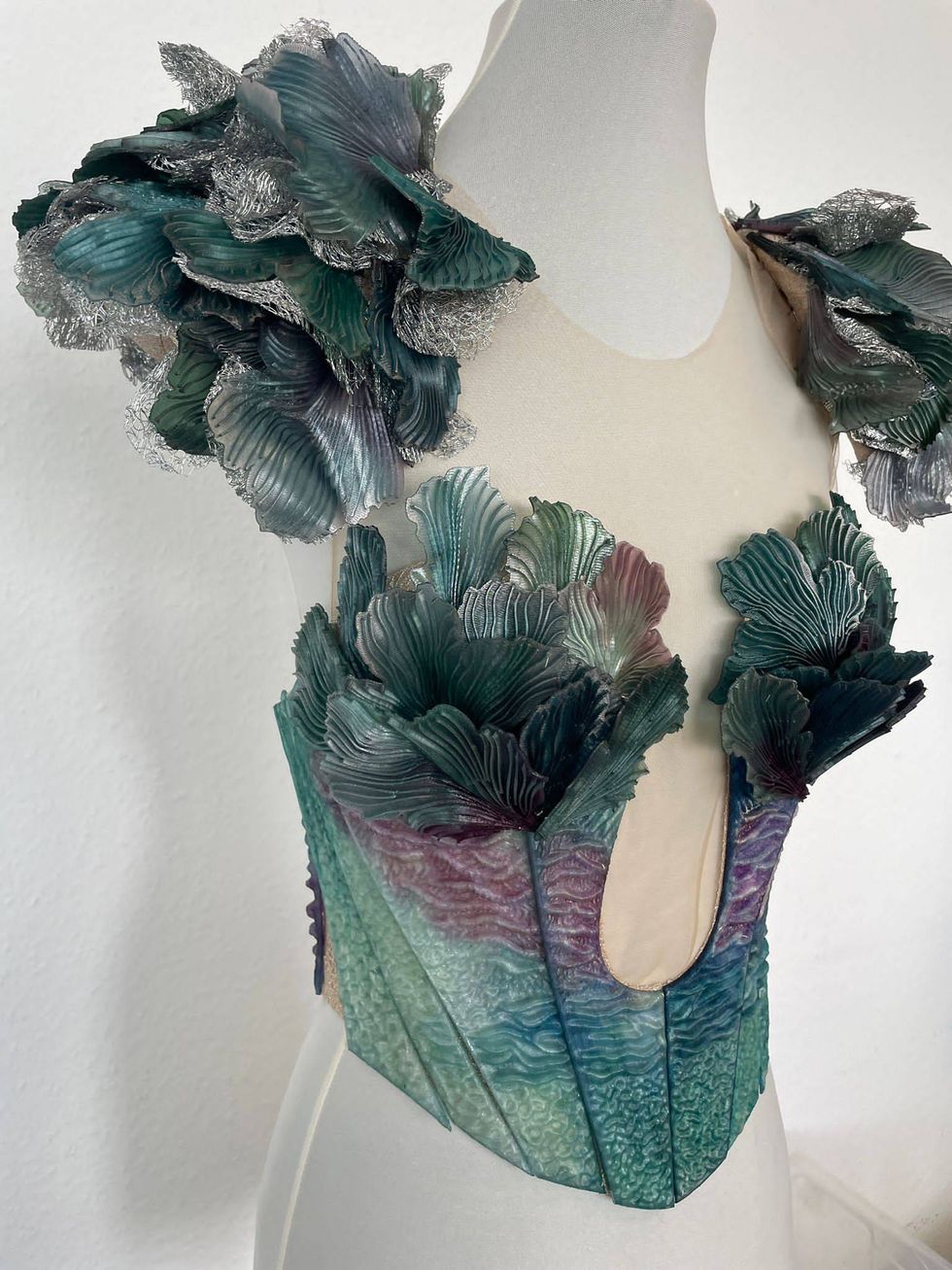
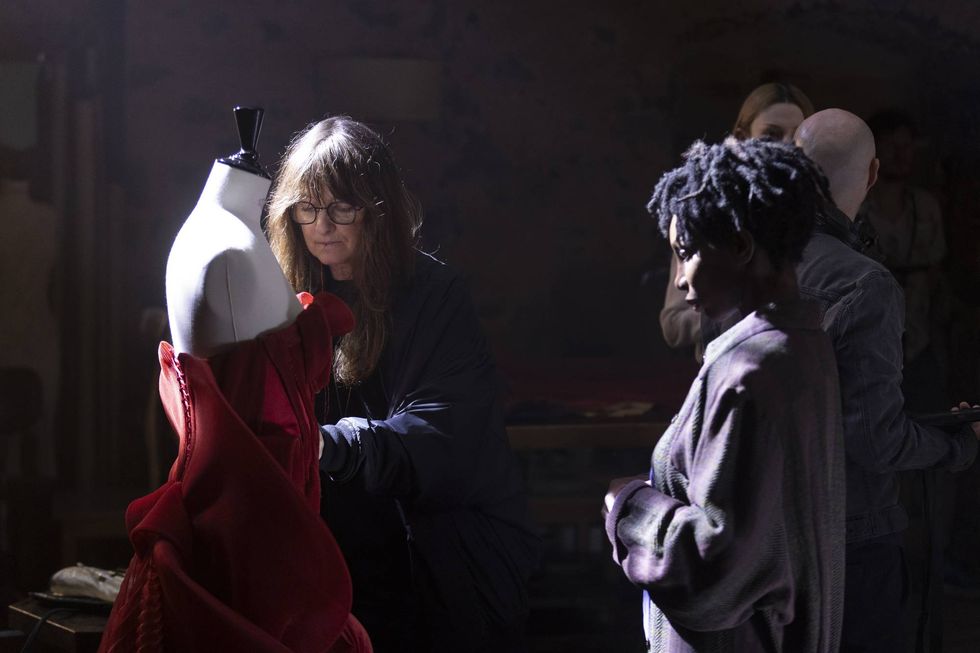
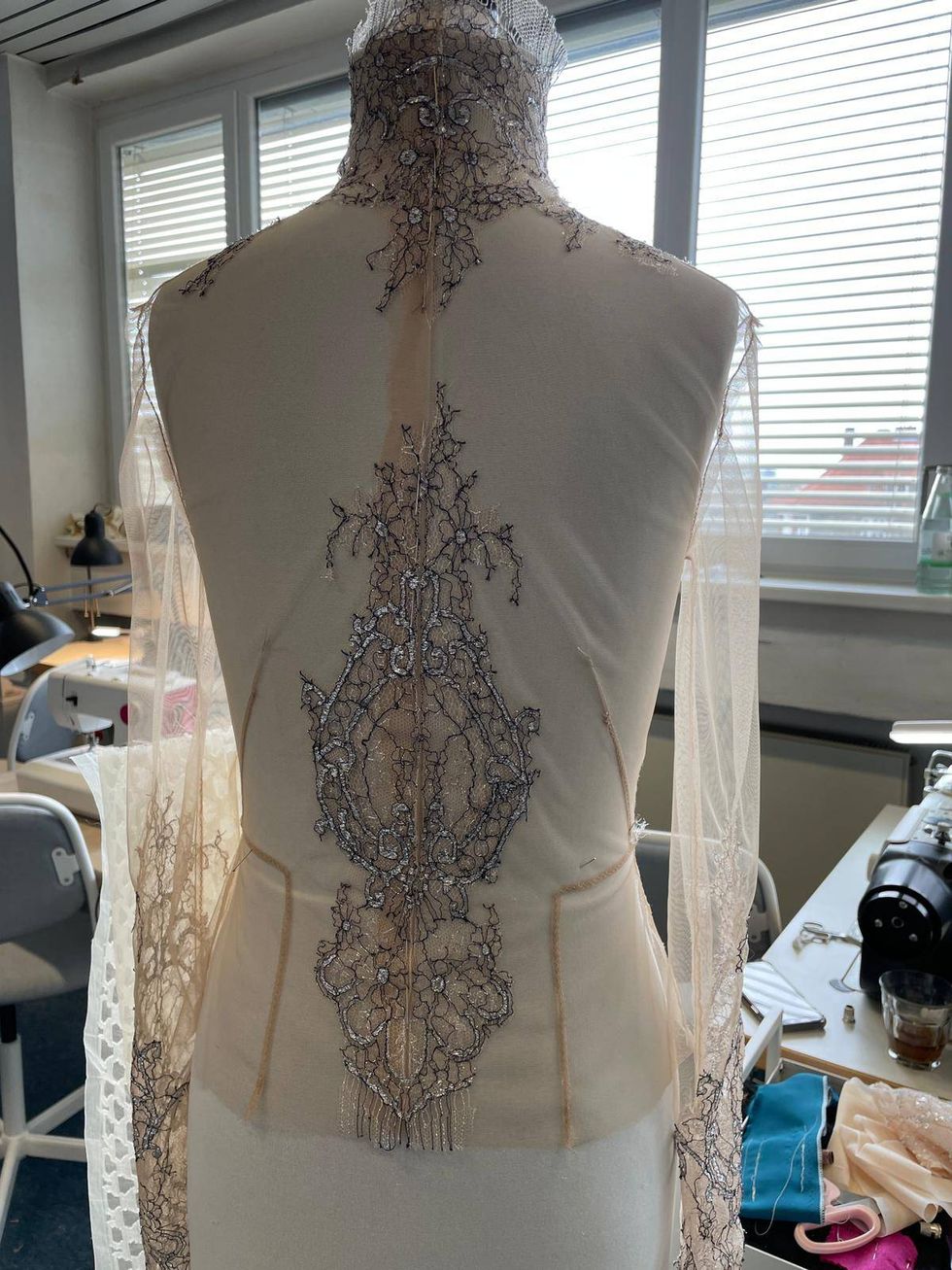
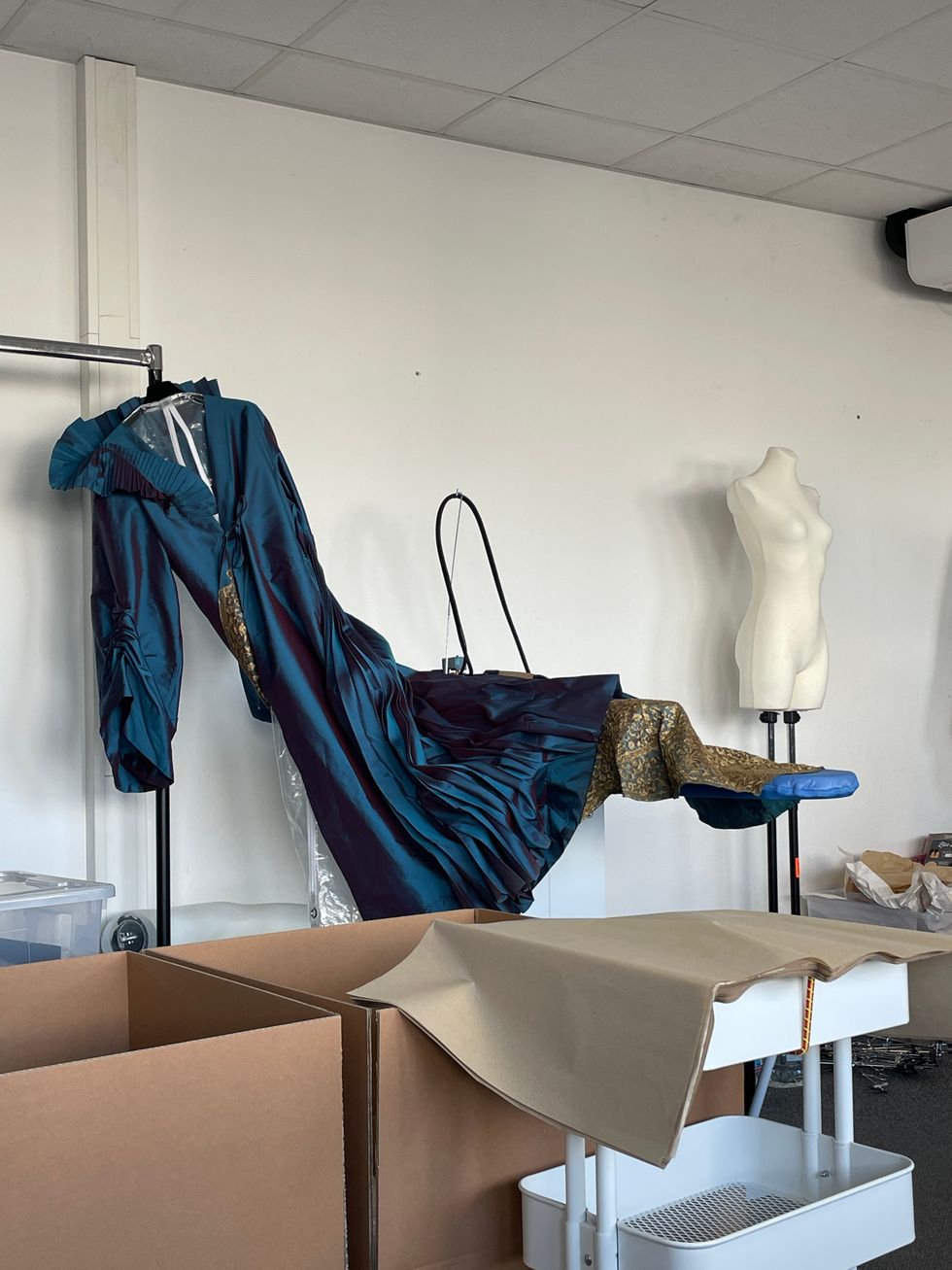
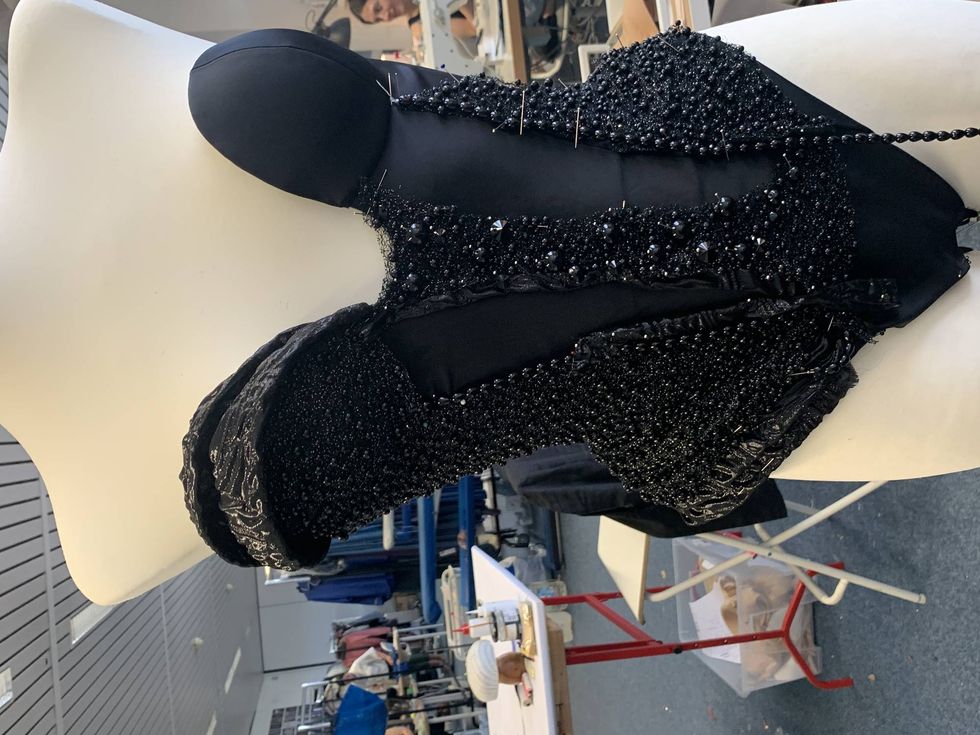
Rather than sketches, Daigeler preferred mocking up designs directly on mannequins, offering immediate proofs of concept Lowery and Hathaway used to further spin the character into something that felt real. They collectively developed an exhaustive biography for the character, a grungy safety pin dress indicating her Stefani-esque garage band origins, a “broken heart” dress with a ripped blouse for her obligatory vulnerable period.
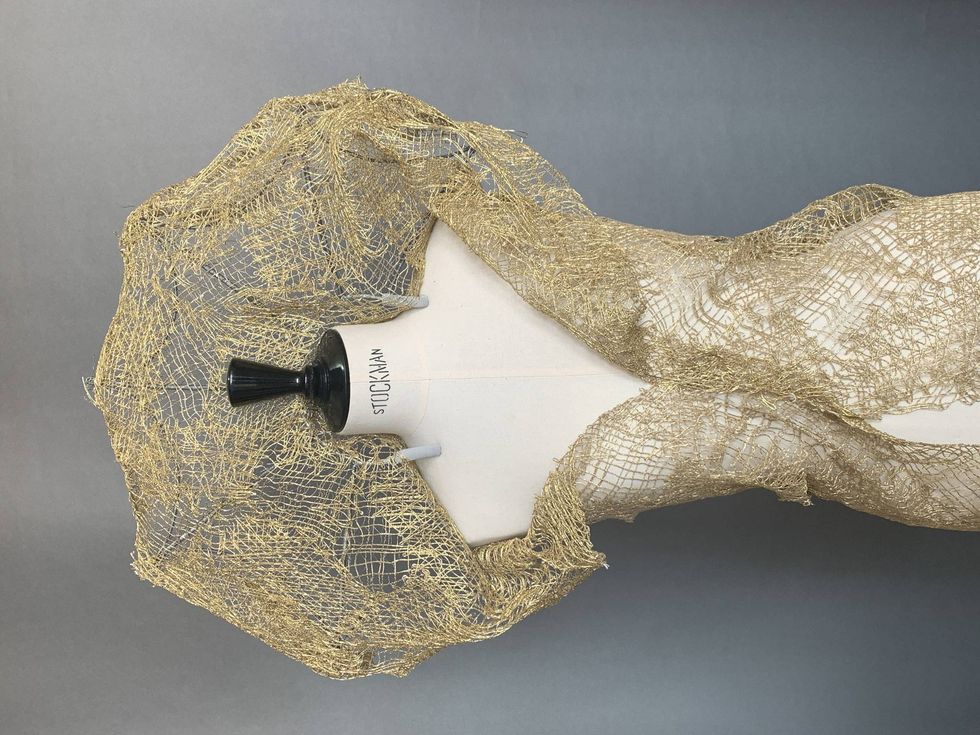
Both the film and my conversation with Lowery highlight Mary’s “Joan of Arc” phase, signified by a remarkable dress juxtaposing armor and draggy, visible wounds. For her Ecstatic Tour, which we see a performance from, exuberance is filtered through translucent drapery, shimmery and light and ethereal. And though we don’t get to see it, it’s hard not to conjure a mental image of her drenched in honey, a moment Lowery identifies as an early touchstone of the character and her stylistic progression from “provocateur to elder stateswoman.”
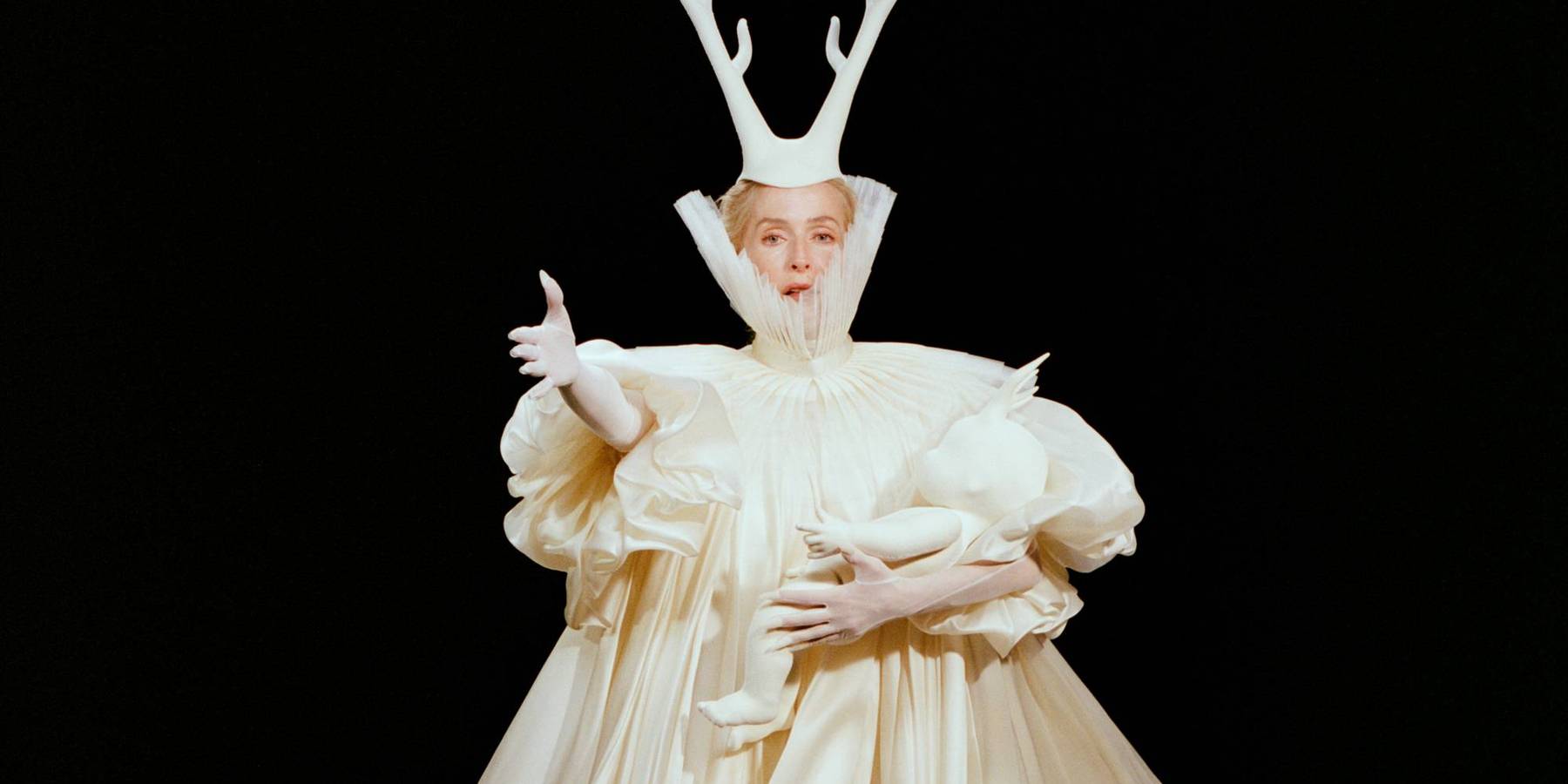
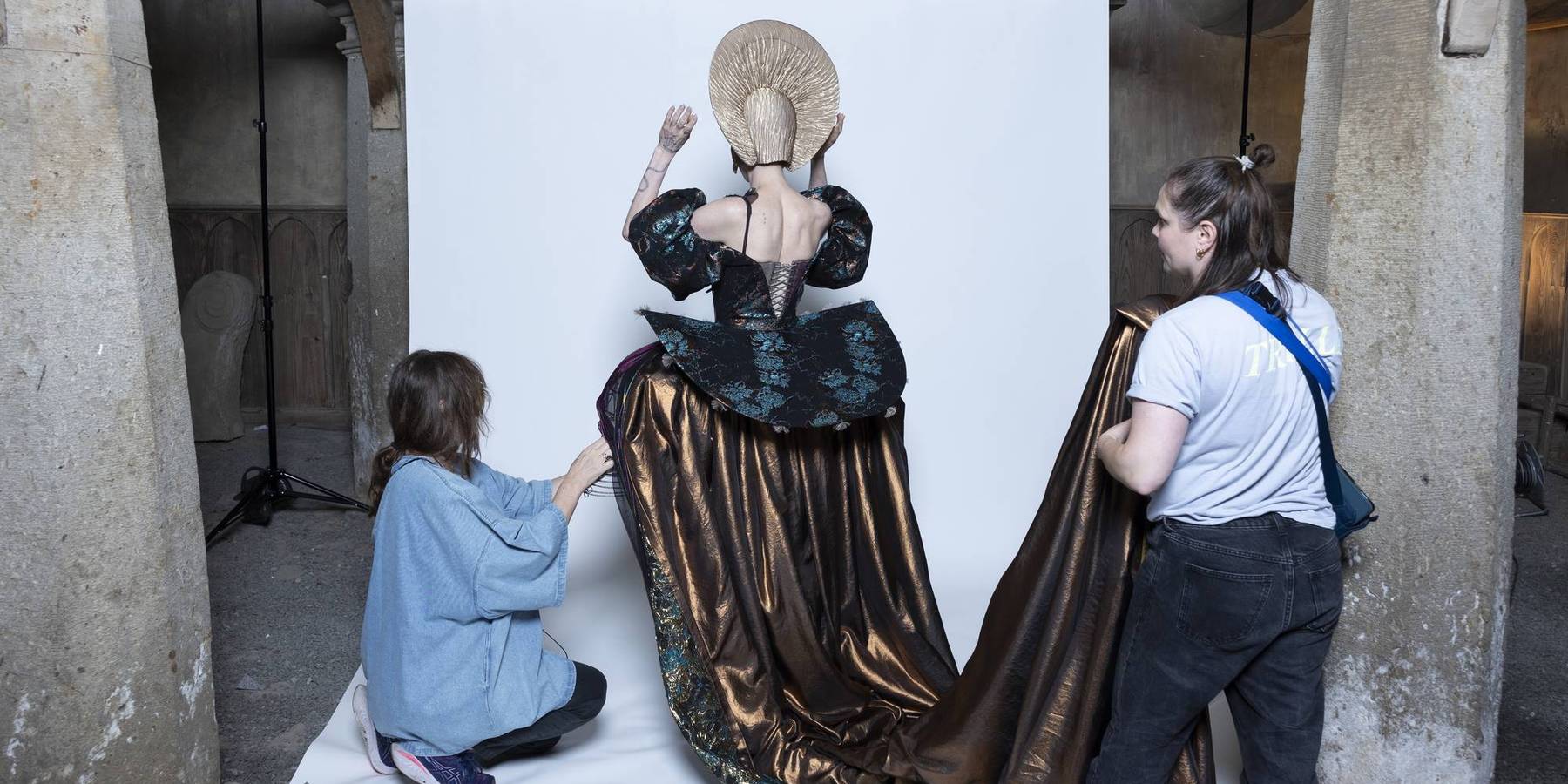
Above all, Mother Mary hinges on one dress, the premise of Mary and Sam’s reunion. For that dress, which Lowery dubs the film’s “final song,” he and Daigeler knew they had to pull out the big guns, sending the script to Iris van Herpen (herself a longtime collaborator of Björk’s), who was immediately game. The pair visited van Herpen’s atelier, where Lowery describes a staggering “wall of dresses,” one of which was the immediate choice for Mother Mary’s final number:
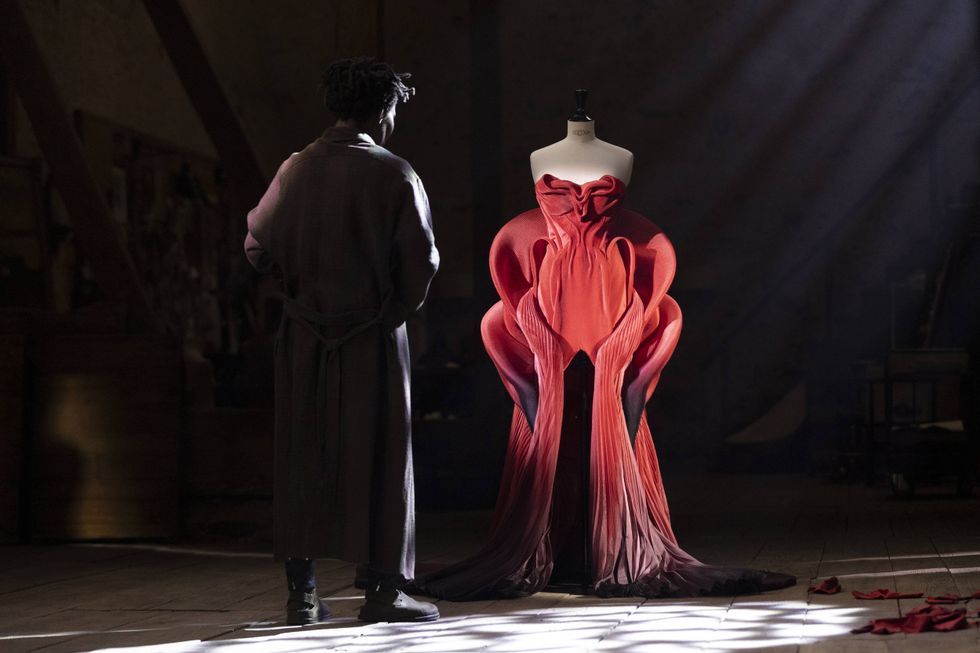
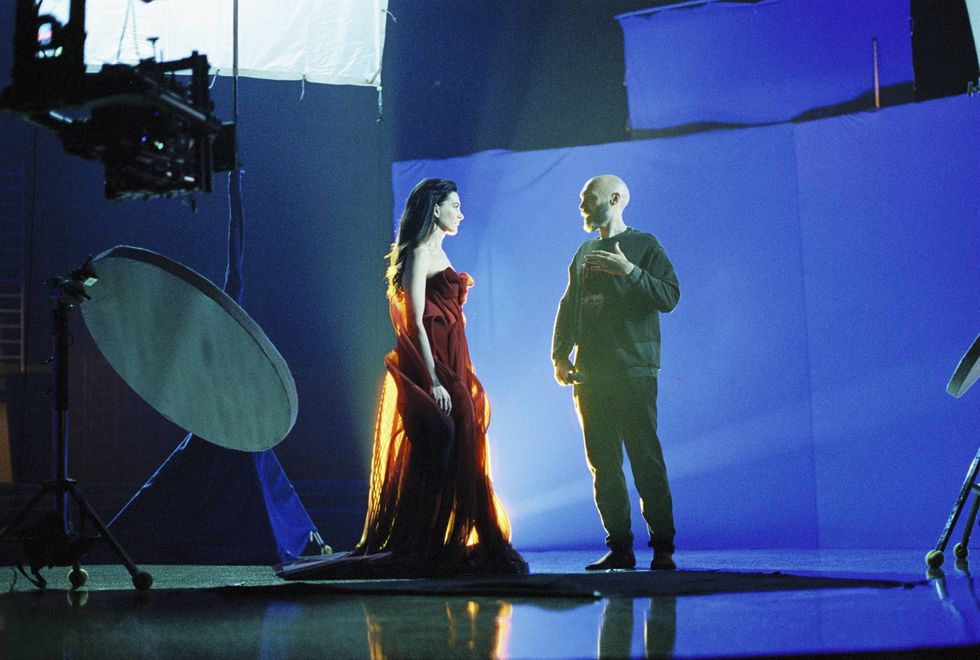
It’s a stark contrast from the cosmic ethereality of everything preceding it, a striking, structured manifesto of a piece that immediately justifies its “final song” moniker (and its solo credit in the opening crawl). “The dress embodies transcendence,” van Herpen told Vogue. “When she puts on the dress, she goes into this spiritual elevation.” Lowery speaks of the overall experience in similarly divine terms, using words like “congregations” and “church” and “throngs” throughout the conversation.
Aesthetically, this of course harkens back to Mother Mary’s namesake as well as that same Catholic imagination so central to the pop landscape. (Name one pop star who has not dressed as a nun or allegedly inadvertently killed one.) More crucially, though, it underscores Lowery and his collaborators’ driving ethos — a steadfast, earnest reverence for pop stardom.
“I already had oceans of respect and admiration for what [pop stars] do. And now it’s like universes.
“I bow down before them…it’s magic.”
Costume Designer: Bina Daigeler
Sketches: Elena Pavinato
Set Photography: Frédéric Batier
Story: Taylor Lomax
Images courtesy of A24