“The Internet isn’t fucking real!” a friend exclaimed as we walked into the East Village’s Night Club 101 for the first of Nirosta Steel’s four sold-out shows last weekend. The room before me, teeming with an odd mixture of media types, scenesters, and one guy who seemed famous but whom we couldn’t place, confirmed this just as much as it refuted it.
For those in the queer and obsessive corners of the Internet PAPER tends to occupy—regions where Tinashe’s “Melatonin” is currently enjoying its seventh week at #1—summer 2026 was synonymous with Nirosta Steel’s breakout MY SKYSCRAPER. The third album from the longtime Arthur Russell collaborator, whose real name is Steven Hall, SKYSCRAPER instantly became a viral microsensation, enthralling listeners with its anachronistic vision of a bygone New York downtown. No one could quite pinpoint precisely where the whole moment originated from, and still can’t to this day. But as things go online, once the praise came, in the form of breathless tweets and raves from outlets like Pitchfork and Paste, the hype had become real. The next thing Hall knew, his “BOSS TRIX” was on Gap’s August playlist, a moment he cites as when he realized the breadth of his newfound audience.
Naturally, a string of live show announcements quickly followed. Thursday and Friday’s 101 shows were announced first, both selling out within thirty minutes; the two Saturday shows, announced popstar-style in advance of their on-sale, sold out in four. Other announcements quickly followed, a seemingly never-ending stream of headline sets, support slots, and festival bookings.
That unassailable momentum appeared to meet its match about two weeks before the show, with a tweet calling out Hall’s activity on the Chinese social media platform Xiaohongshu, known Stateside as Red Note. On his now-deleted account, Hall followed a variety of accounts, with one posting seemingly AI-generated shotacon, a Japanese term for eroticized imagery of adolescent boys. The scandal quickly caught fire online, just as rapidly as MY SKYSCRAPER did weeks earlier, ultimately leading to an apology from the 69-year-old musician stressing that “those accounts don’t reflect [his] interests in any way.”
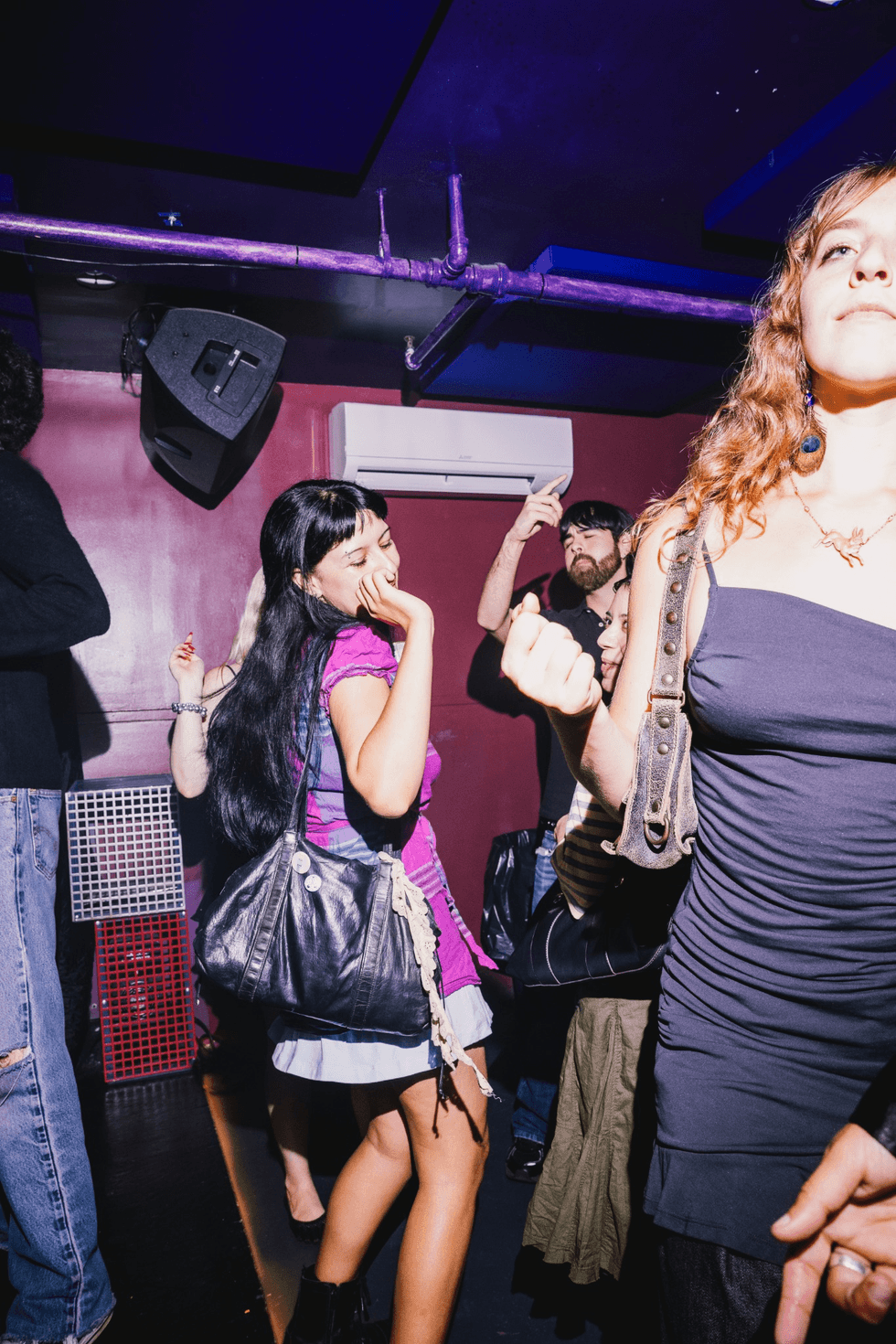
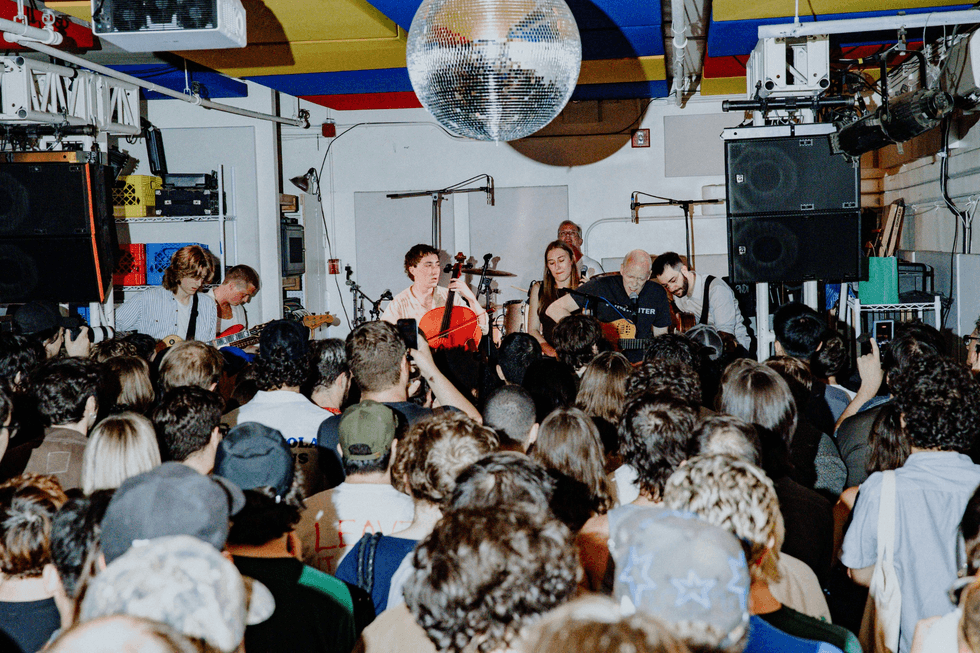
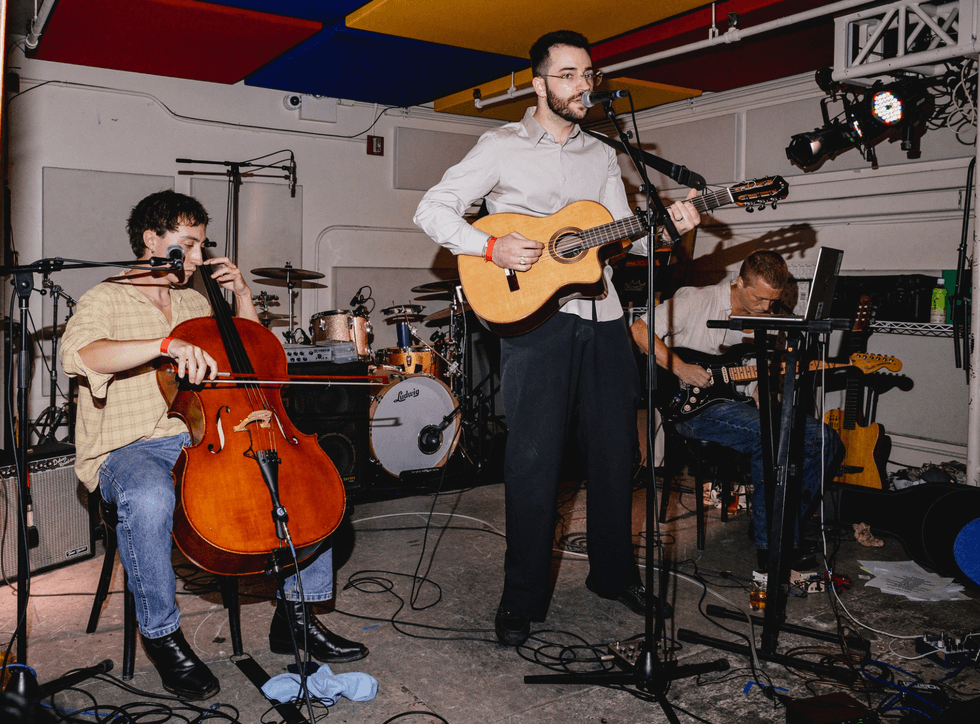
Not that you’d know any of that from the fervor on the ground at the former Pyramid Club, whose storied history in the New York underground proved a perfect match for Hall’s lost-in-time aesthetic ethos. In its heyday, the venue served as a haven for artists testing out their most avant-garde impulses: ANOHNI’s Blacklips Performance Cult called the venue home, and acts ranging from Nirvana to RuPaul had their first New York shows there. Hall also performed there on several occasions with Arthur Russell. “It’s a space where people feel like they can try something new,” says Tom Moore, who opened Night Club 101 in the historic space in late 2024 (alongside his late business partner Billy Jones). “[It] lets you be open-minded and lets you do it in a way that feels fun and generative.”
The neatest explanation of the Nirosta Steel phenomenon leans on its Paradise Garage fantasy, particularly amidst a Madonna-induced renewed interest in that moment (something Hall’s manager/publicist Clarke Sondermann identified without any prompting from me, let the record show). Opening sets from Brooklyn-based Kaye Loggins (who performs as Time Wharp) and Sondermann’s project Pleasure Systems amplified the shows’ sceney affect, as did DJ sets in the bar from Kassie Krut and Chanel Beads—the latter of whom Sondermann credits with introducing him to Hall’s music.
“You can’t really describe the sound, but it’s instantly recognizable,” offered Loggins of the downtown moment underpinning the evening’s proceedings, shouting over abrasive techno from a Fashion Week party downstairs at the venue. “You could argue in an academic way that it’s a form of minimalism, but I think it’s a lot more complicated than that. It’s almost dangerous to describe.”
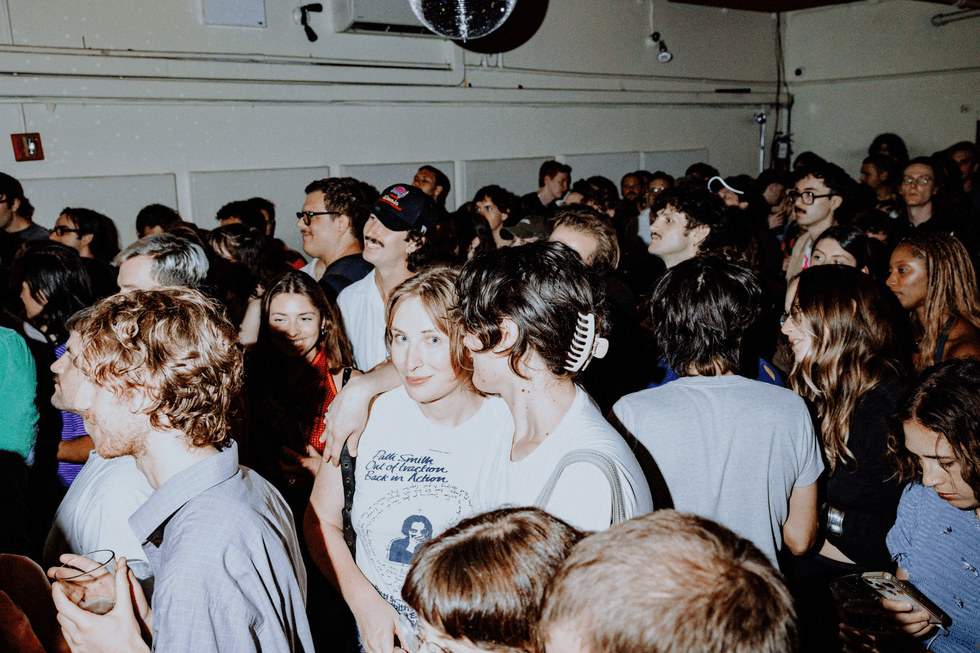
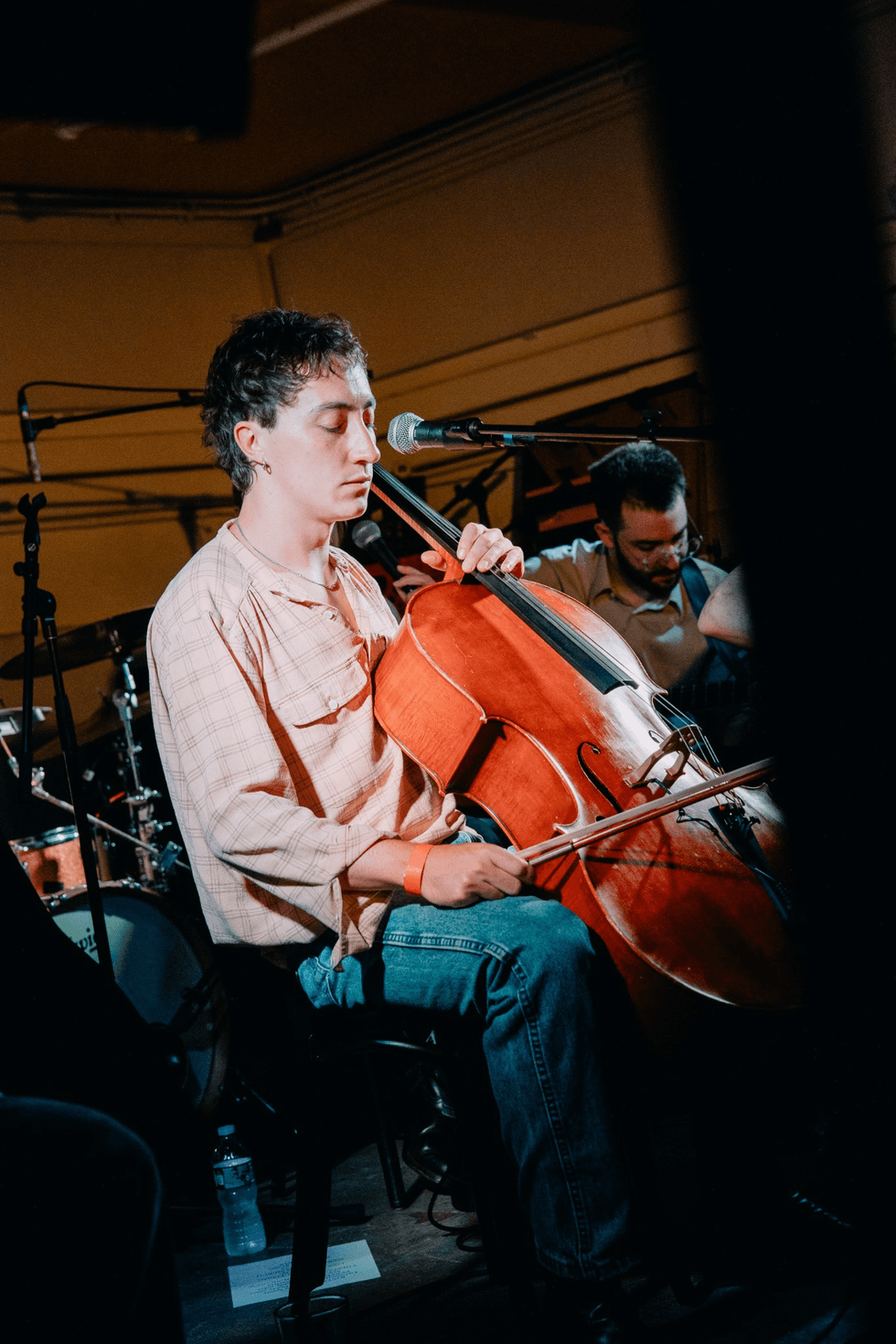
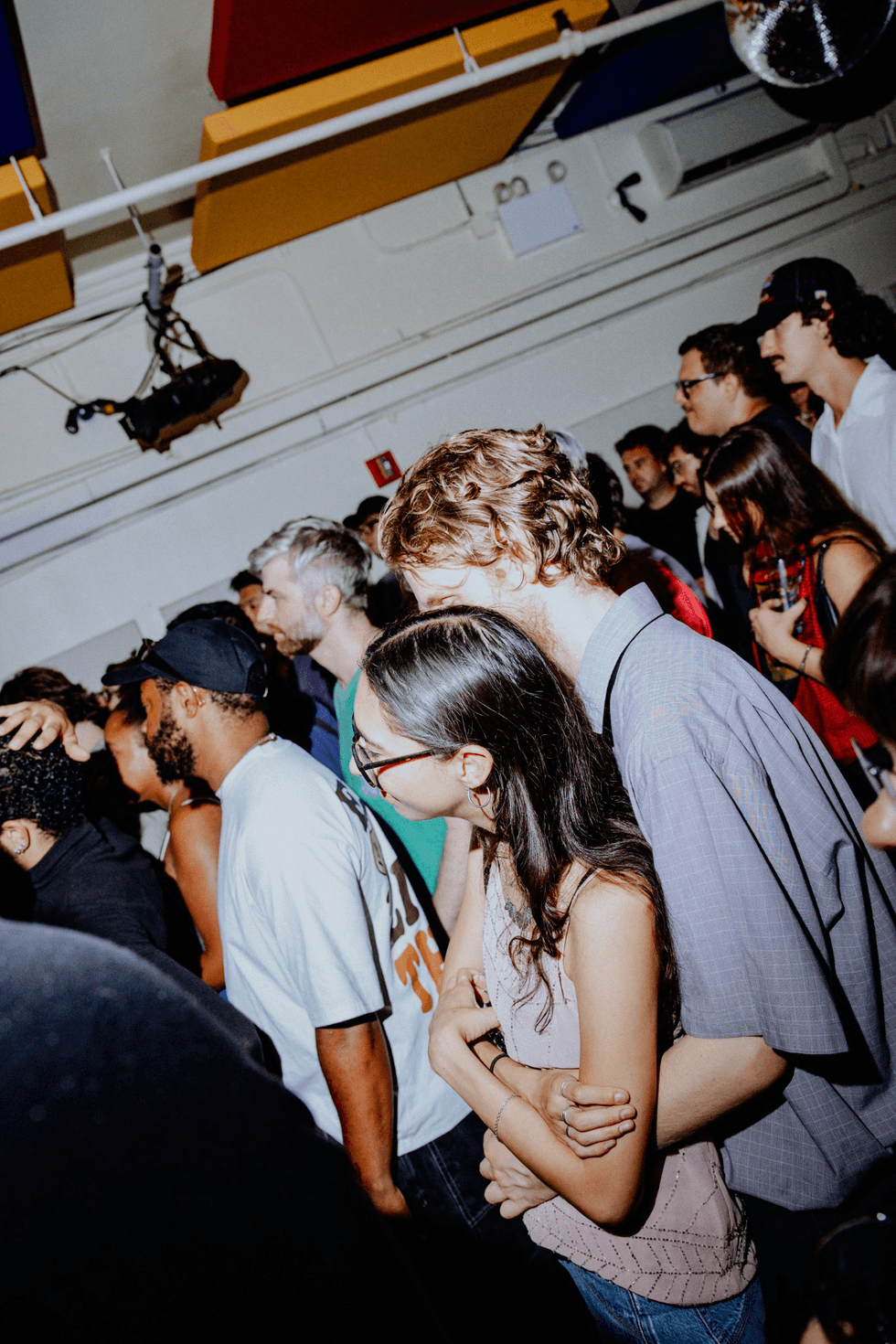
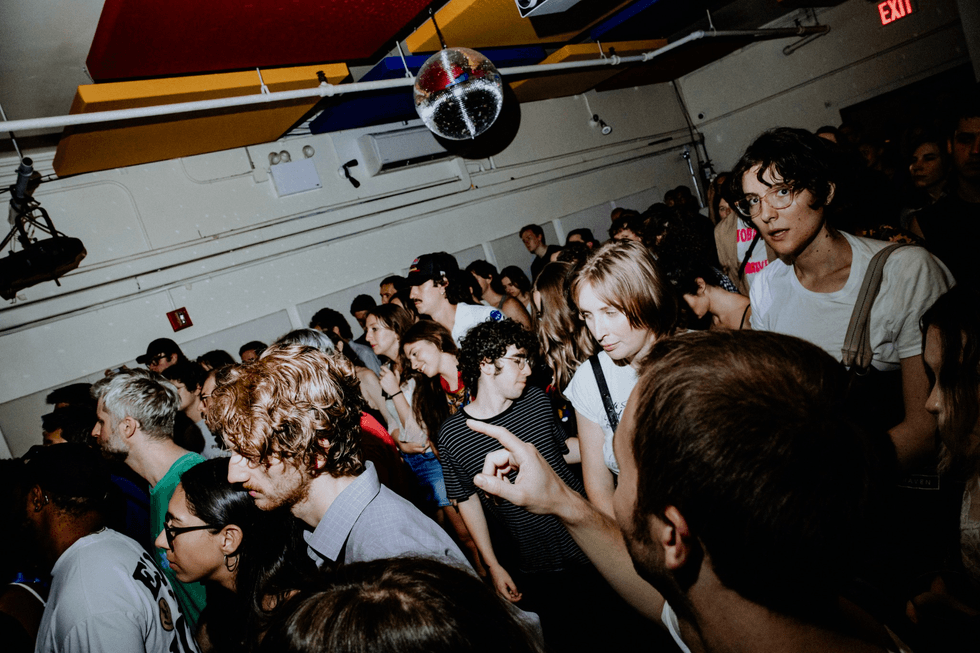
Thursday’s show, Hall’s first since MY SKYSCRAPER and the first of this iteration of the Nirosta Steel project, particularly put that danger front and center. The newness of it all proved electrifying, the awkward tentativeness of bringing a vision to life a thrilling premise. Ahead of Hall’s set, editors and other cultural types buzzed about its significance and talked around the unpleasant cloud looming. At the end of the day, everyone seemed to agree, we were all here, weren’t we? I’m told designer Night Gallery sold twenty-three shirts before doors opened.
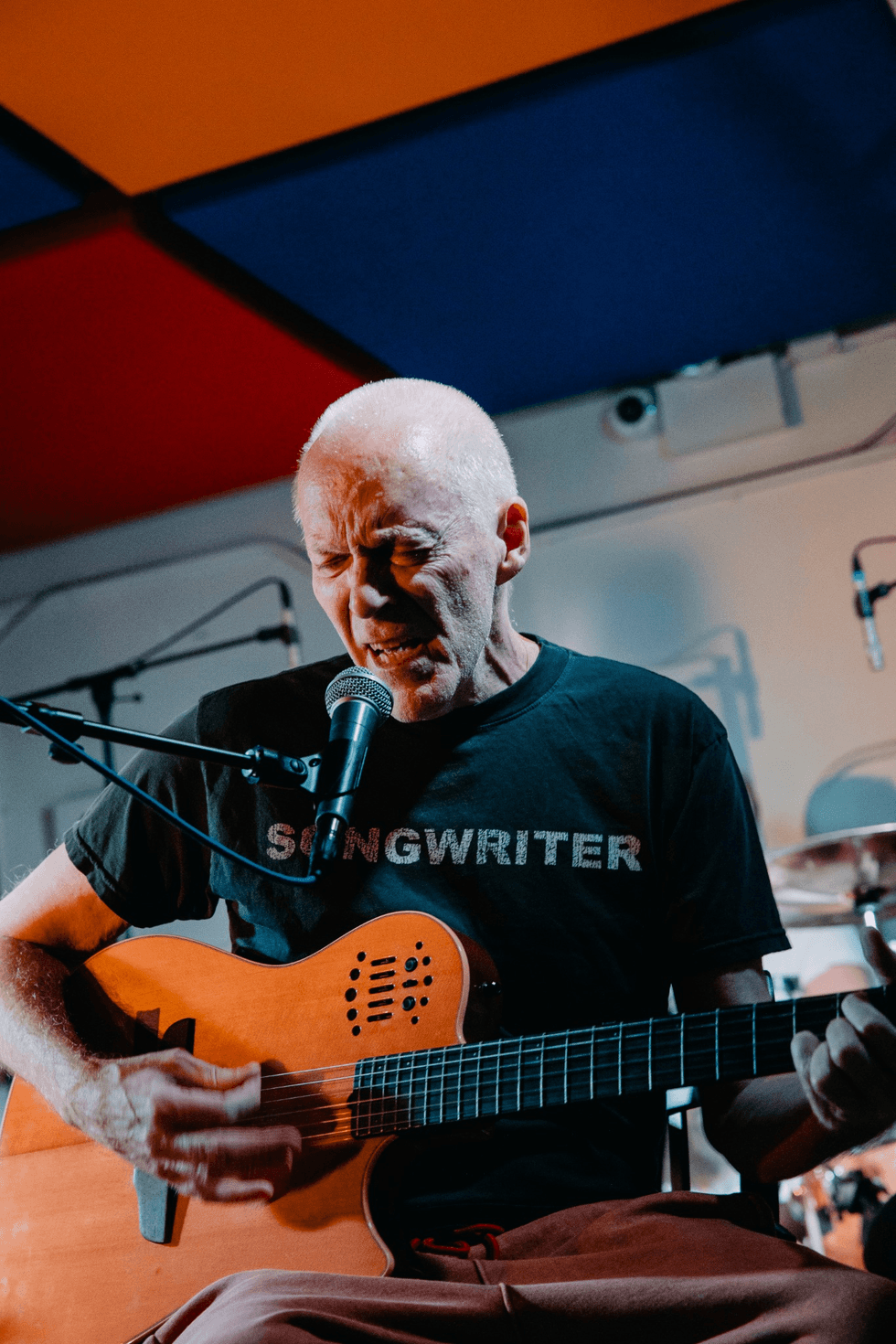
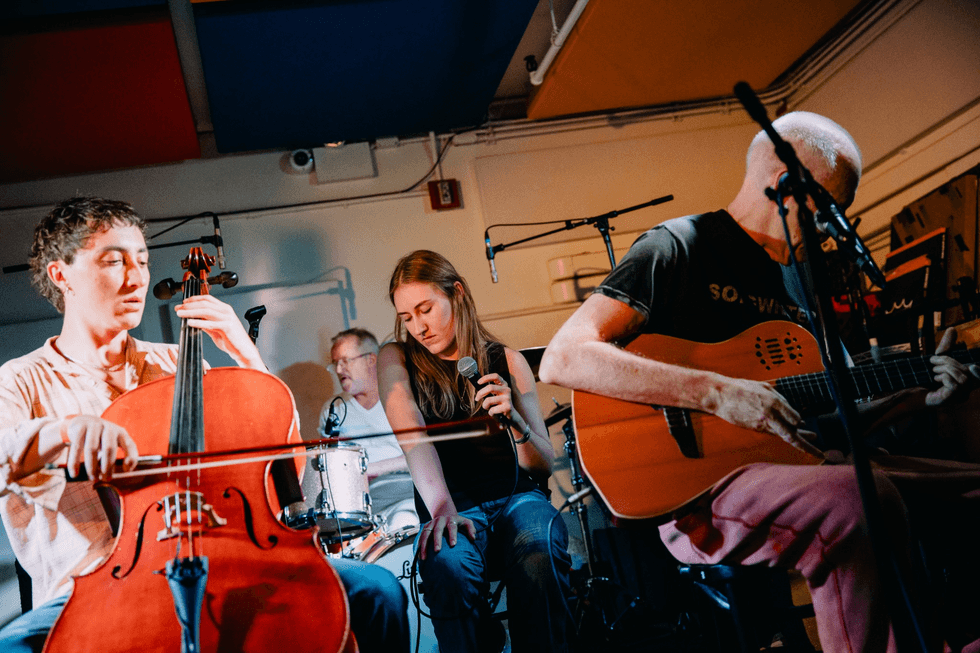
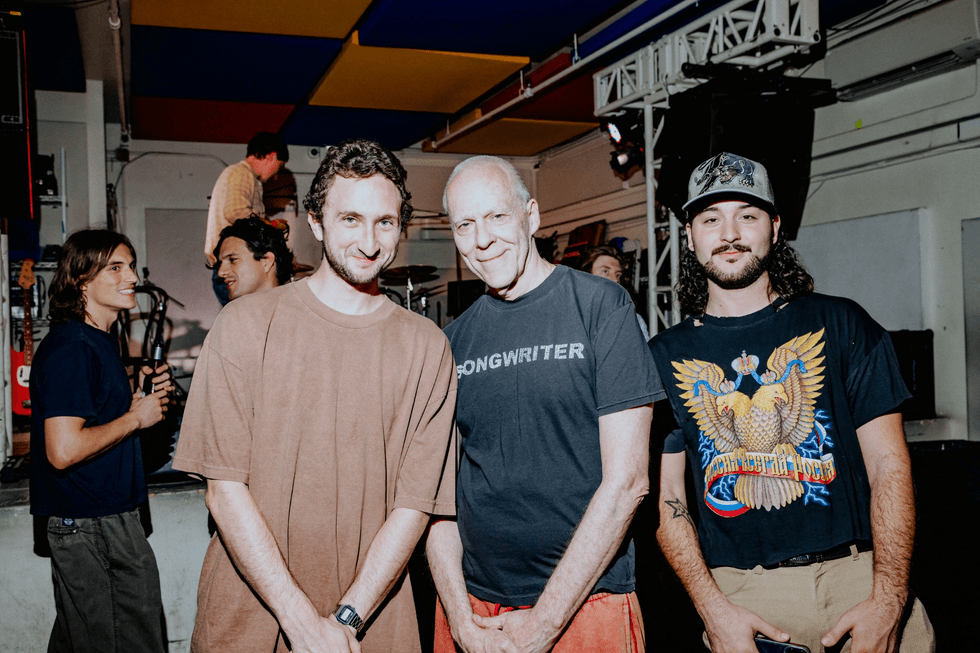
Backed by a two-piece band of drummer Paddy Boom, formerly of the Scissor Sisters, and guitarist Stephen Willard, Hall took the stage in a black tee reading “SONGWRITER.” (He has since worn this shirt, which says “NIROSTA STEEL” on the back, in some public capacity for at least four straight days.) If he, too, seemed tentative, it was largely first-date jitters. Despite a printed setlist, he dictated selections and tempos in real time like a jazz bandleader; he would often restart songs or stop to flag tuning issues. By his own admission, he was relearning these songs, pulled from four decades of archives; “YHEMA” specifically demanded a lyrical cheat sheet. Here was a moment being worked out in real time, Hall still visibly overwhelmed by the fervor of his past two months.
“Welcome to my world, by the way,” he addressed the crowd midway through the set. “I’m humbled by what has happened to me. Very few people get to experience a tsunami, let alone a tsunami of affection.”
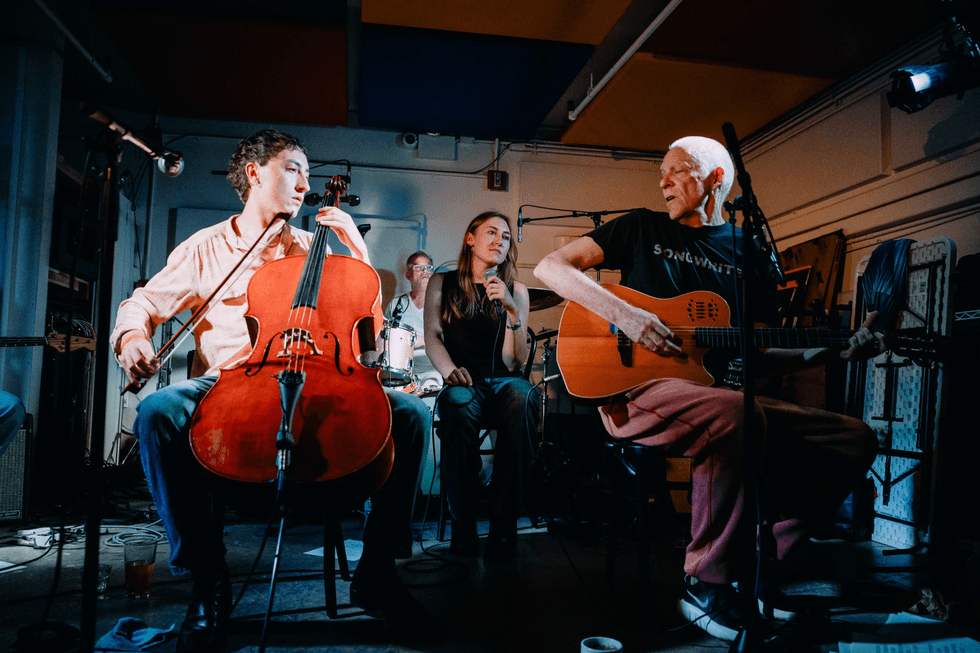
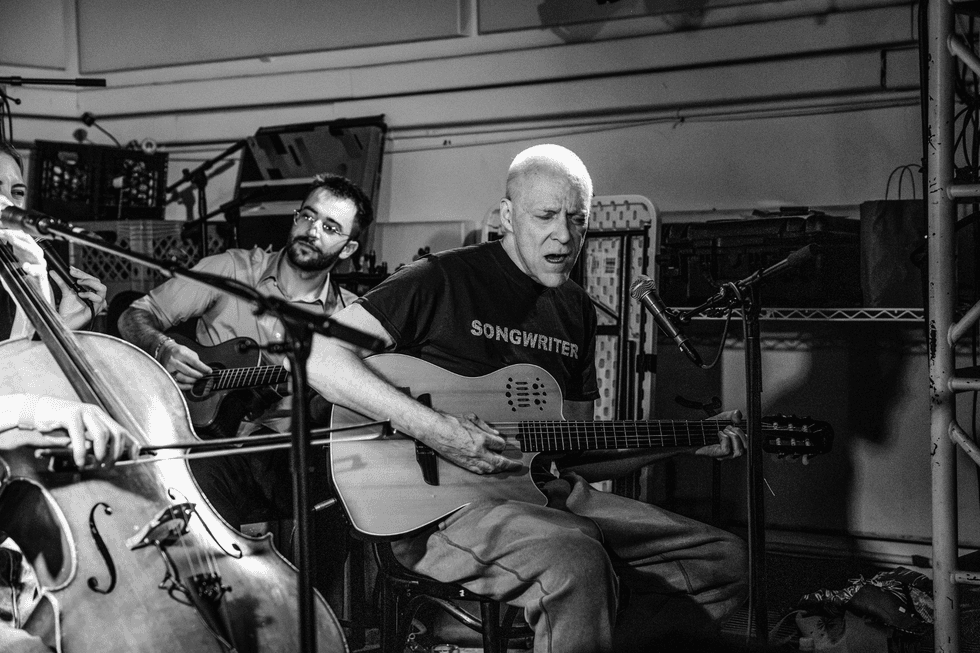
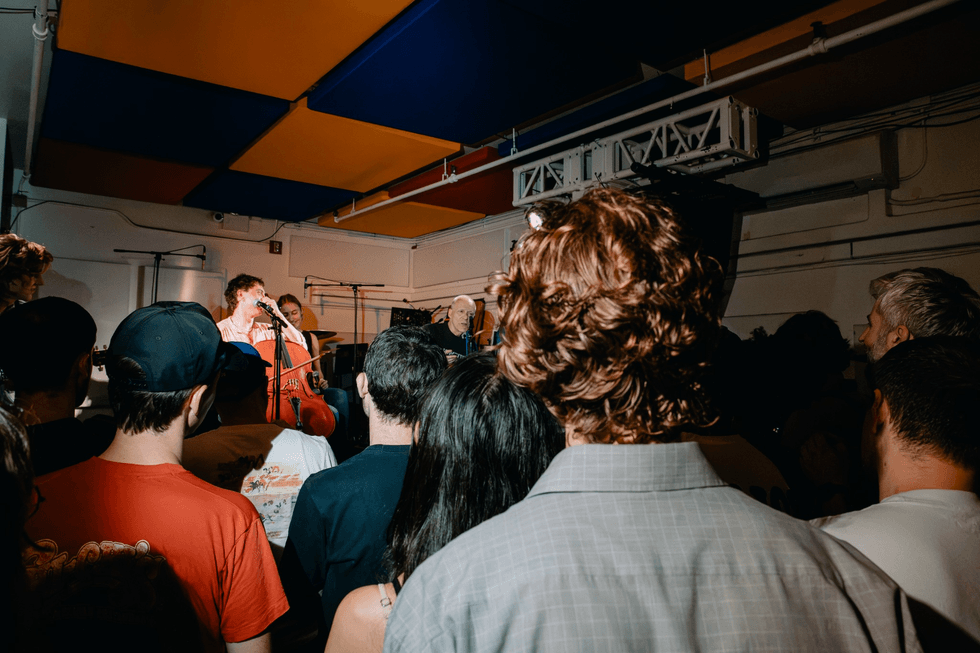
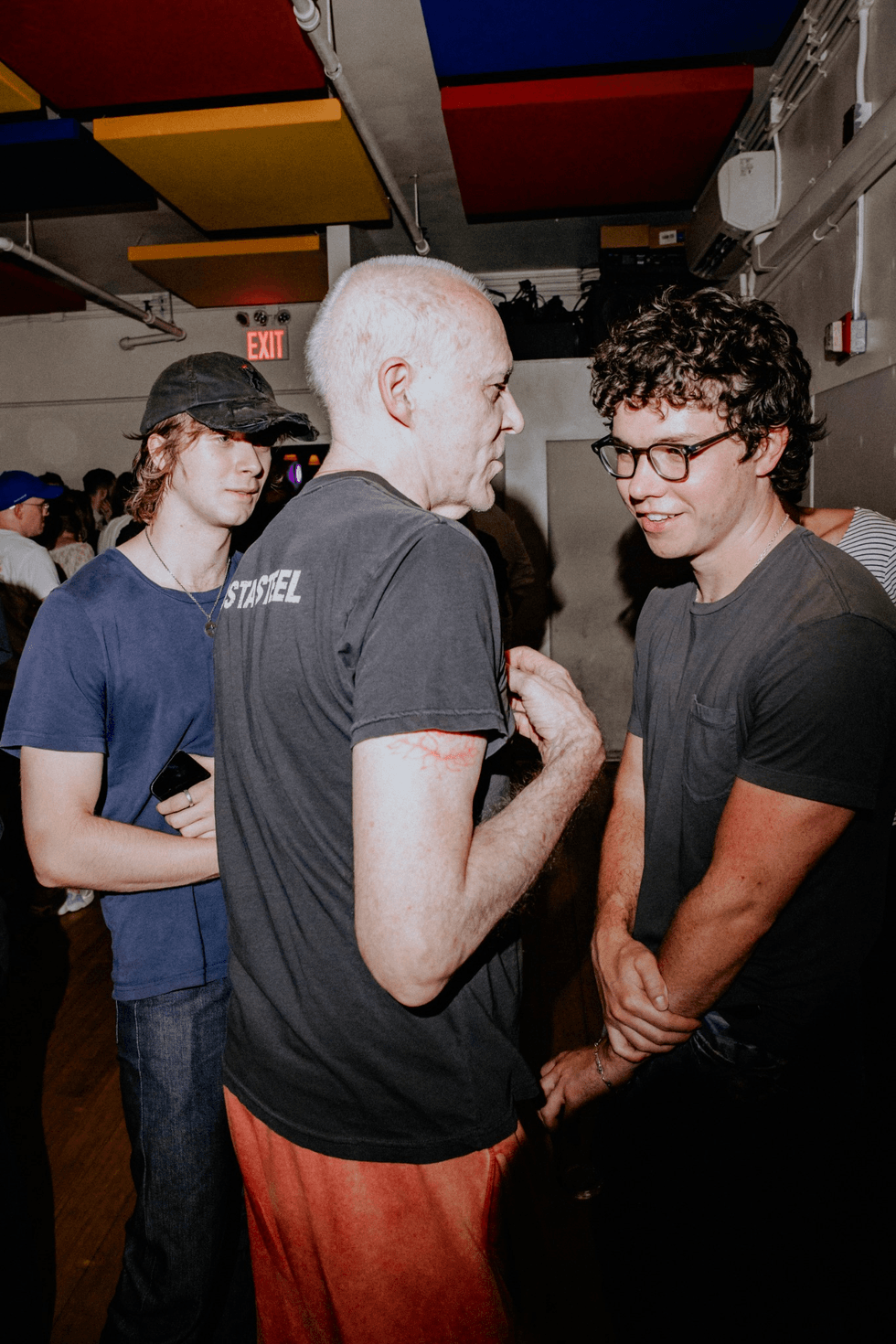
His description of the experience—as something totally passive, a force of nature—lingered throughout the show’s remainder. It seemed everyone, even the man onstage, was utterly mystified by this cultural moment. The usual mechanisms were, of course, at play, but acts with ten times the push often come up far shorter. There was the unmistakable element of taste at the moment’s core, that precious white whale of our current cultural situation, but even then, being a beneficiary of the attention economy is far from a given.
Speaking to Hall after the show as Cobra Starship’s “You Make Me Feel” blared from the Fashion Week party, the generational gaps shaping the phenomenon came into full focus. The Gap playlisting had shown him the moment’s commercial tangibility, but he also shared world-weary stories of an emotional tangibility, coming face-to-face with fans opening up to him. It’s a hallmark of stan culture, the sort of dynamic that pushed Chappell Roan toward privacy and that a growing coalition of pop stars has openly bemoaned. “You have to respect their feelings—because they’re real.” Not an uncommon sentiment for an upstart pop starlet; borderline uncanny from a near-septuagenarian queer disco-art-rocker.
On the other end of that interplay, the nostalgic edification young queers (such as, admittedly, myself) pull from his work and the scene it represents largely disinterests Hall. Understandably haunted by the systemically ordained death toll of the AIDS crisis, he’s eager to embrace his newfound status in modern gay life, excitedly discussing the bandmates he met off apps like Grindr and Sniffies.
“I’m staying in a university town, and there’s a big daddy scene there,” he beams before discussing the ageism he’s felt amidst such a kinetic career period. “I don’t feel old!”
In the digital age, there necessarily and correctly exists a tendency to question, if not outright dismiss, online virality. A common epithet from chart-obsessed stans and embittered Swifties is “Twitter vibes,” aimed at media darlings like Charli xcx whose success leans more cultural than commercial. Entire careers are architected on singular breakthroughs or memes, often followed by a vacuous period of attempted recapture that invariably leads to psychosis. Post-streaming, consumer listenership is no longer a viable income stream, placing increased commercial pressure on performing for audiences that may or may not exist in the physical world. (The ever-looming voice of Brandy echoes: “but we need the audience to buy the album!”)
Most saliently, the very same titanic forces that build a moment can just as easily destroy it or, worse, irreparably corrupt it. A common refrain is that once a work is released unto the world, it no longer belongs to the artist. When that world is generally confined to the funhouse mirror of the digital, such transference of belonging often proves catastrophic. The work and its artist become the most flattened, algorithmically friendly versions of themselves, like a Real Housewife driven mad by her arsenal of catchphrases.
Time will tell if the Internet’s capricious nature will have any lasting impact on Hall, though the packed residency, his run of upcoming shows, and new music already in the works all seem to be good omens in that regard. But the ephemeral indescribability of the work—what Sondermann dubs its “slipperiness”—seems to be its greatest protection in becoming something more than a social media fixation.
“I hope I passed the audition,” Hall said before exiting the stage that first show, a gallows-y wink at the career precipice he found himself on. By the end of the fourth show, it was clear he had.
Photography by Caroline Safran