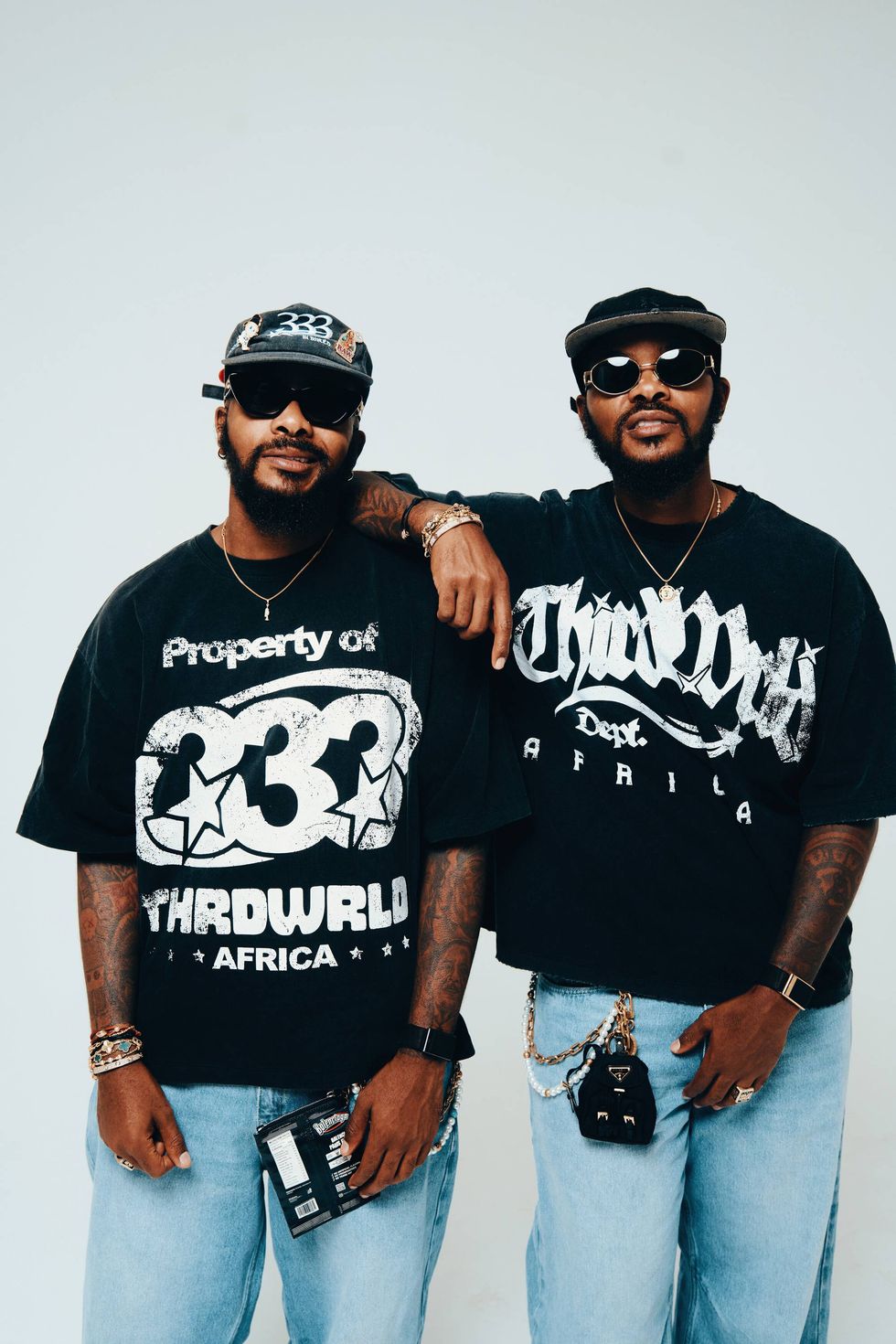
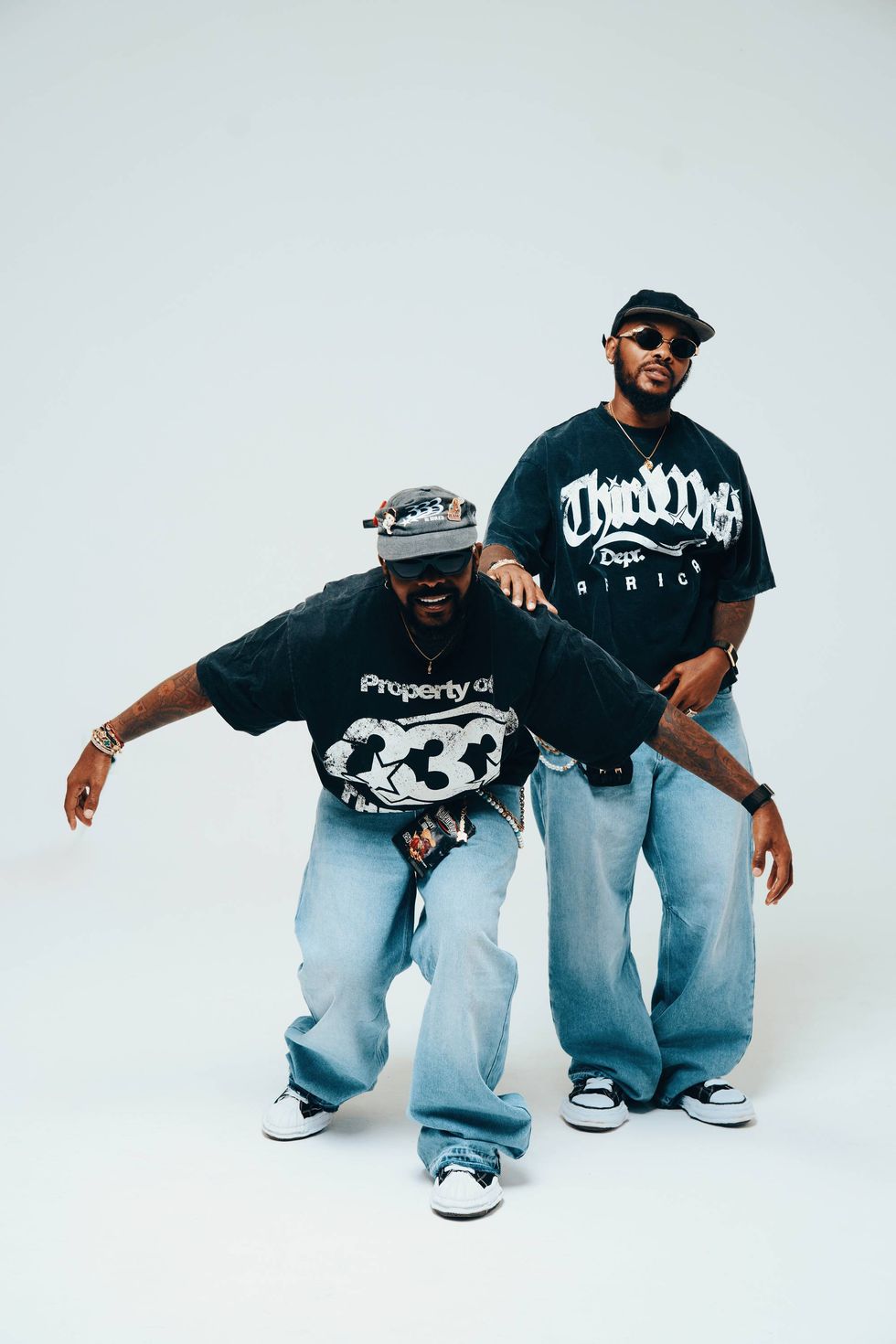
Some artists chase moments. Major League DJz build movements. The identical twins from South Africa, Bandile and Banele Mbere, have spent the last decade reshaping the sound and visibility of African dance music, not by following trends, but by trusting feeling, instinct, and each other. Their now-iconic Balcony Mixes transformed intimate sessions into global touchstones, offering not just music, but context: sunlight, cityscapes, joy, and community woven into every beat.
At the core of their work is something deeper than performance or recognition. It’s about storytelling, discipline, and creating space: on stages, in clubs, and within the industry itself for African artists to thrive on their own terms. As they look toward the future, Major League DJz are less interested in fitting into existing systems than in expanding them, building platforms where hope, faith, and consistency can turn possibility into legacy.
Collaboration sits at the heart of your sound. From working with global names to shaping movements at home, how do you decide who you want to collaborate with?
For us, collaboration is really about feeling. It’s never about who’s trending or what’s hot at the moment. It’s about connection; who feels right in the studio, who understands the sound, and who’s comfortable growing with us. Coming from Africa, building a sound isn’t always easy, so you gravitate toward people who genuinely believe in what you’re doing. It’s about trust, chemistry, and shared energy. If it were about trends, we’d probably be chasing the biggest names nonstop but that’s not how meaningful music gets made.
Beyond collaborators, you’re identical twins. What does it mean to experience this journey together?
We get asked this all the time: what does it feel like to be twins? Honestly, we don’t know any other way. This is normal for us. We’ve done everything together since we were kids, so working together feels natural. Two minds are always better than one. Of course, we fight, we’re brothers, but it’s never about ego. The goal always comes first. At the end of the day, it’s easier to build something meaningful with someone who truly understands you.
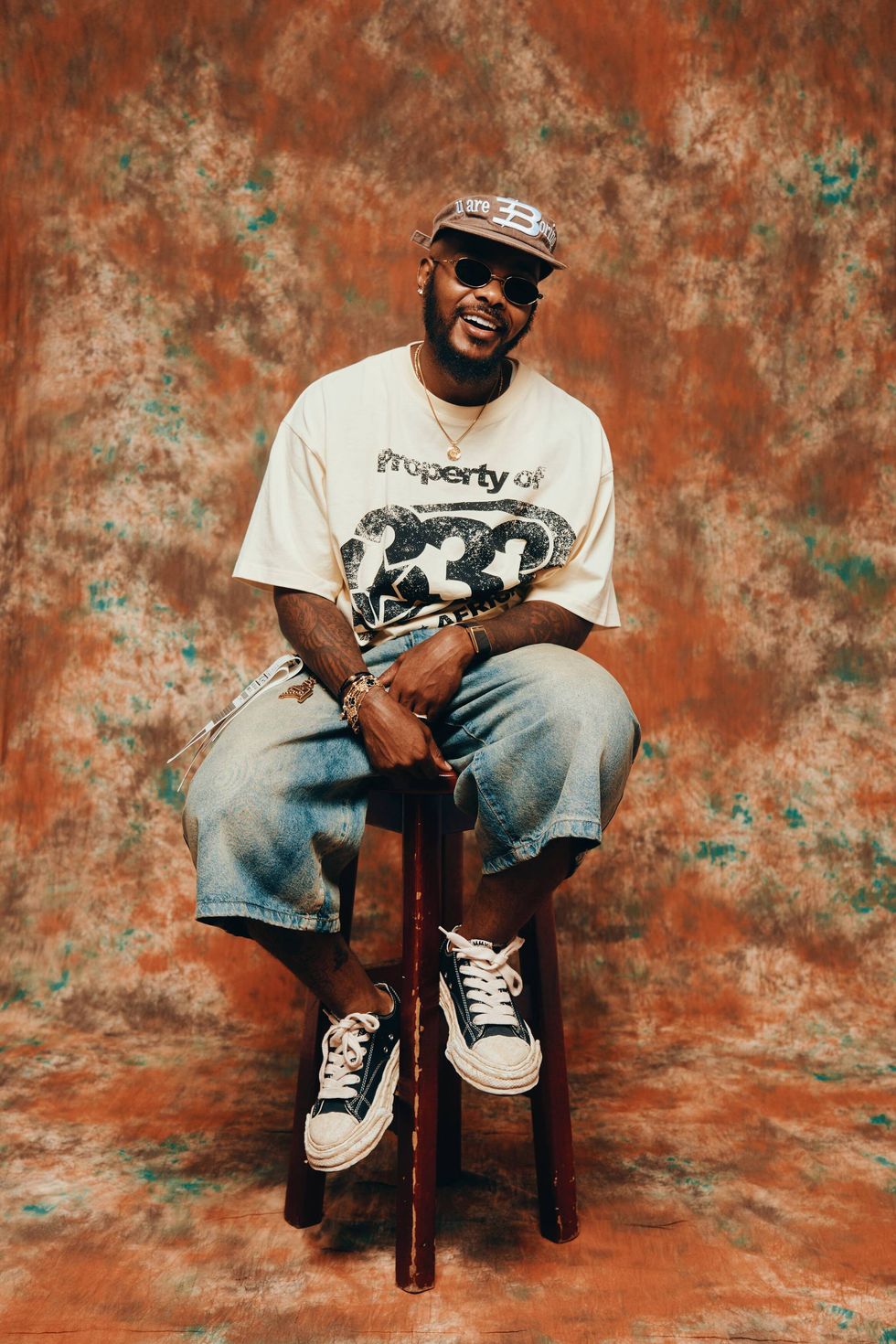
When you’re on stage together, what do you hope audiences feel when they experience your music live?
We want people to feel the journey. Our music is storytelling — it’s not just about sound, it’s about experience. African dance music carries history, emotion, and healing. Melodies, drums, percussion: those elements mean everything in African culture. Traditionally, drums were used to communicate, to heal, to bring people together. So when people listen to our music, we want them to feel transported through their memories, their past, and where they’re trying to go. Music has always been something Africans used to create hope and remind themselves that things will get better.
Your Balcony Mixes became a global phenomenon. What inspired you to turn such intimate moments into a worldwide experience?
The Balcony Mixes were really just us telling our story and having fun. We’ve always done mixes, but there was nothing visual that showed the environment, the feeling behind the music. The balcony gave the music context. It gave it texture, personality, and humanity. A lot of dance music exists without faces or stories attached to it. With the Balcony Mixes, people could finally see how we vibe to our own music. It blew up during lockdown, and after that, we realized people wanted more than just the sound. They wanted the experience.
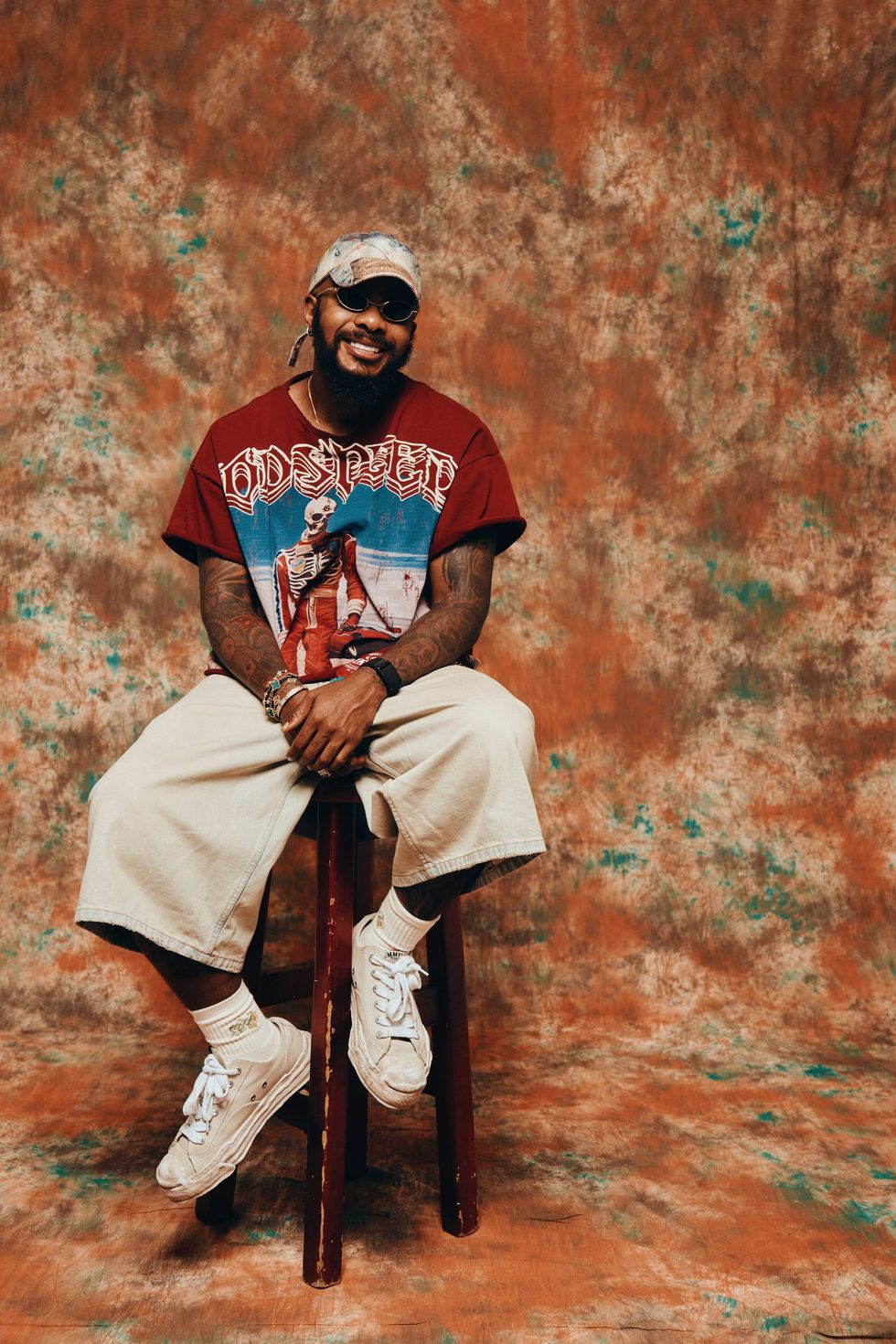
Touring nonstop can be chaotic. How do you stay grounded while constantly moving?
It’s not easy. Self-care has become really important for us. Running, going to the gym, listening to music, those things help us stay balanced. But beyond that, it’s about taking care of yourself mentally and emotionally. This life can get overwhelming quickly. You have to understand your goals and stay connected to who you are beyond the music. That’s what keeps us stable.
Looking ahead, what sounds are you excited to explore next?
We’re moving deeper into the dance space. Not just dance music for Europeans, dance music for Africans. We want to create a space where Africans feel like they belong in the global dance conversation, outside of Afrobeats or Amapiano. Other regions have carved out their place, now it’s Africa’s turn. We want to build that market and give it a home.
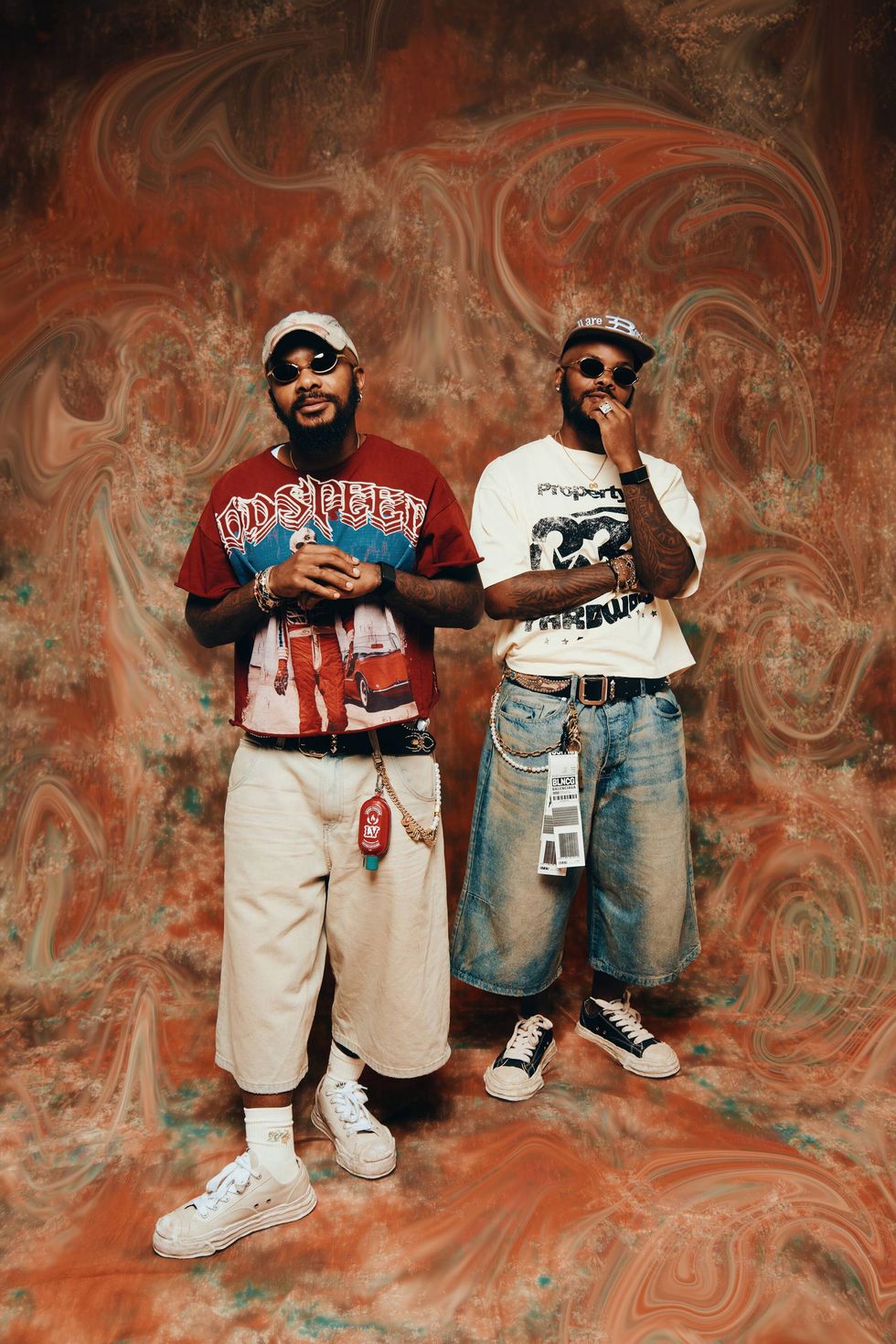
What does success look like for you now? What are the big goals?
We want to be top five, top three. But more than that, we want to build space for African superstar DJs. Black Coffee has opened so many doors, and we want to expand on that. Billboard hits, millions of streams, collaborations with the biggest artists, those things matter. But what matters most is building infrastructure. Creating opportunities so DJs don’t have to start from zero every time. We want to keep doors open, not close them behind us.
You’ve also made a point of giving back to emerging DJs. Why is that so important to you?
Because the youth is everything. Coming up as an artist right now is harder than ever. Giving people platforms, visibility, and space to grow is essential. Whether through competitions, collaborations, or showcases, we want to help create pathways. If we build the market together, everyone wins.
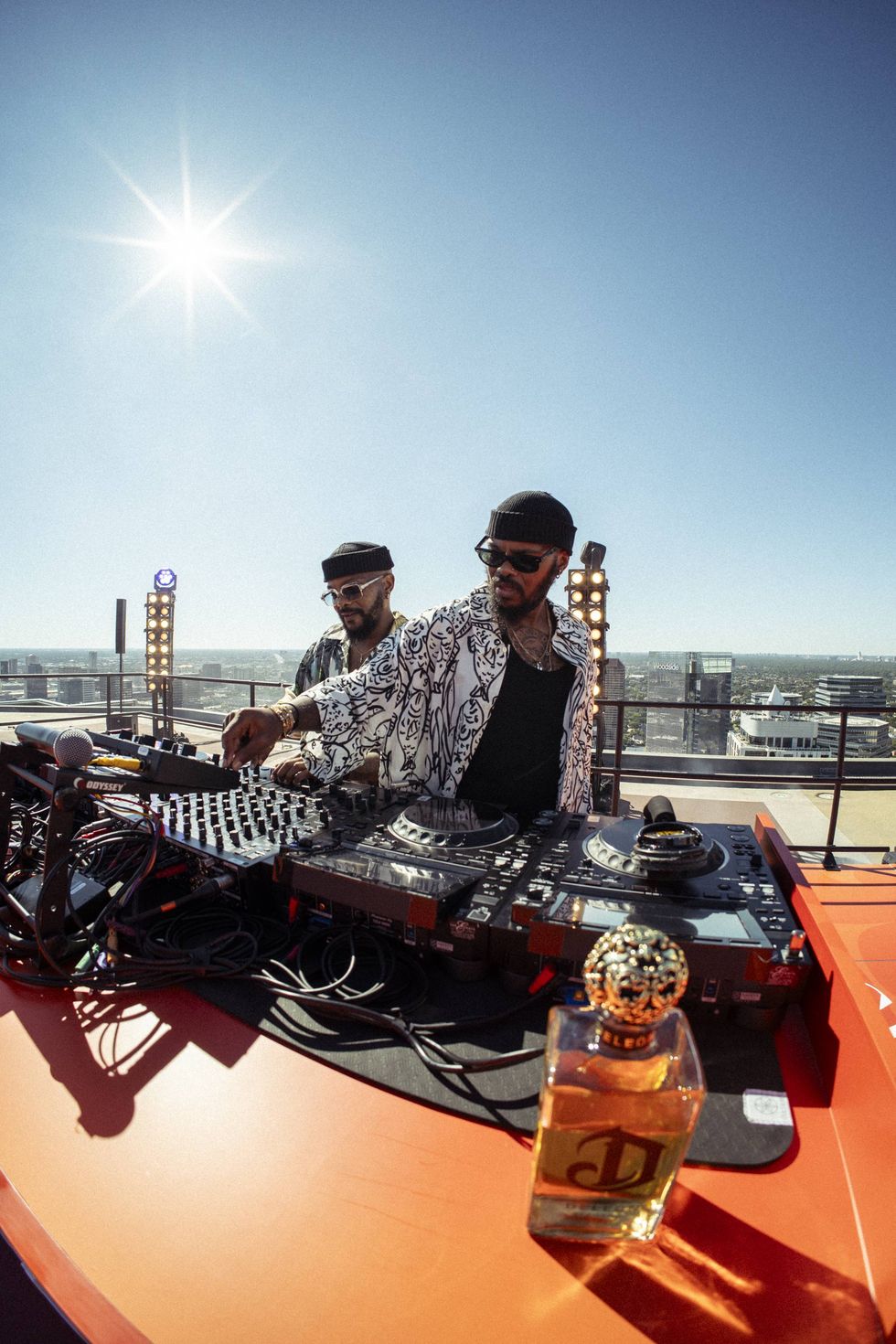
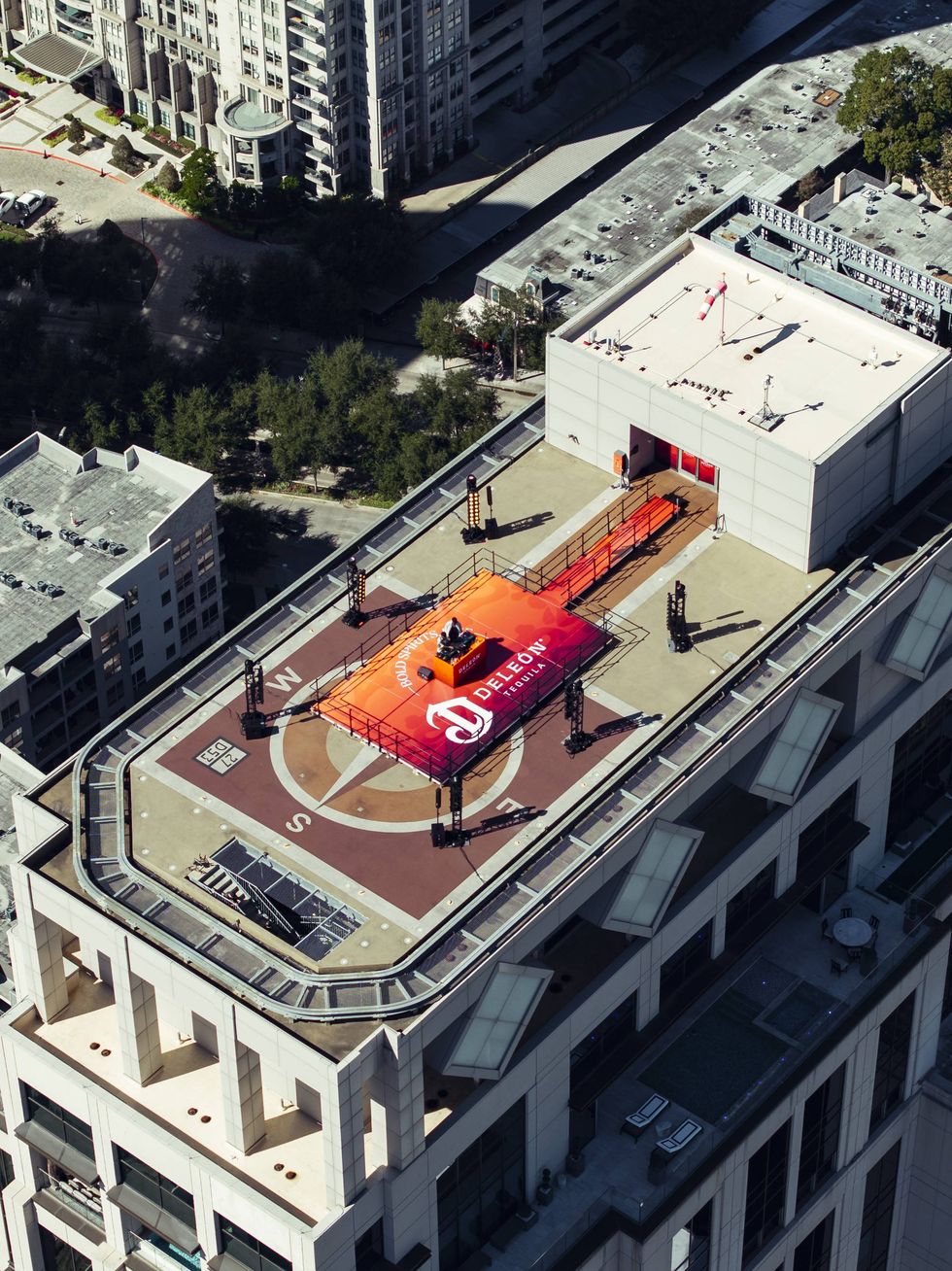
Major League DJz perform in Houston as part of DELEÓN Tequila’s Bold Spirits, Rise program.
What advice would you give young DJs who look up to you?
Trust your dopeness. Your background does not determine your future. The tools are already in your hands, especially your phone. You can connect, create, promote, and build everything from there. Stay disciplined. Stay consistent. Even when it doesn’t make sense to the people around you, keep going. Once the momentum starts, everything changes.
Finally, what do you hope your legacy represents — for South Africa and for global music culture?
Hope and faith. We want people to know that tomorrow will be better; not maybe, but definitely. No matter where you come from or how disadvantaged your background is, you can change your narrative. That’s bigger than music. And discipline is a big part of that. Discipline creates freedom. Talent matters, but consistency takes you further. If we can leave behind that lesson — hope, faith, and discipline — then we’ve done our job.
Interview and Article: Ricardo Diaz
Images: This&That, Young Stilo