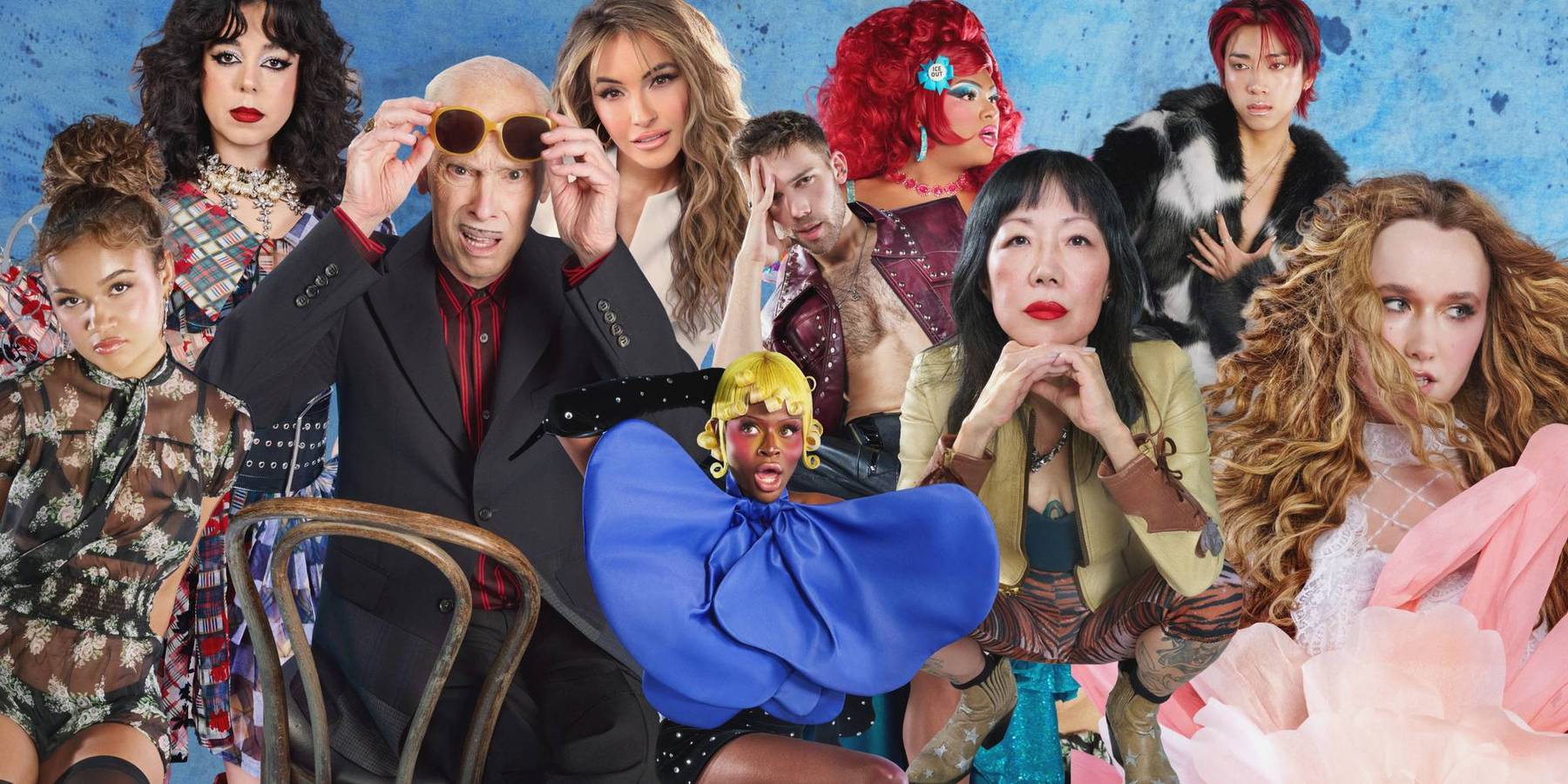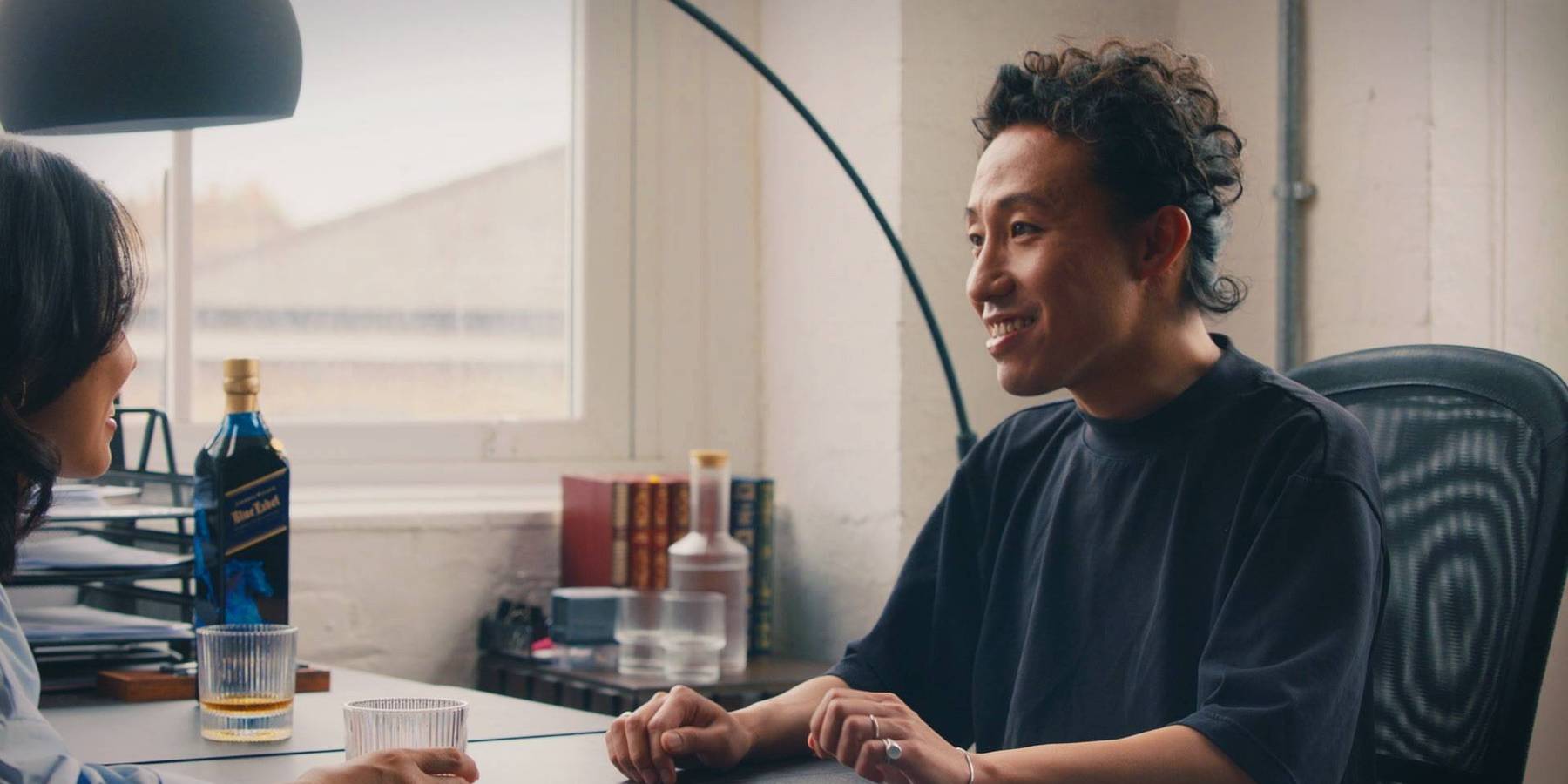
Robert Wun Celebrates Lunar New Year with PAPER and Johnnie Walker Blue Label
BY
Dan Q. Dao | Feb 06, 2026

Ahead of Lunar New Year, and in the final stretch before his next haute couture presentation, designer Robert Wun is reflecting on progress. For him, forward motion is marked by building, growing and refining without compromising the integrity of the craft.
Praised for sculptural silhouettes and emotionally charged design, Robert Wun is a Hong Kong–born, London-based haute couturier known for his surreal, avant-garde approach to fashion. That singular point of view has made him a magnet for artists who understand fashion as performance and transformation. In recent seasons, Wun’s couture has appeared on figures like Beyoncé, Ariana Grande, Naomi Osaka and Cardi B — for the cover of PAPER, of course — clients drawn to his ability to create clothing that feels cinematic rather than ornamental.
Those collaborations have helped introduce Wun’s work to a global audience without diluting its emotional force. Recognized by the Vogue Business 100, Business of Fashion 500 and Tatler Asia, Wun also made history as the first designer from Hong Kong invited into the Paris Haute Couture calendar.
That same sensibility now finds form beyond fashion through Wun’s collaboration with Johnnie Walker Blue Label Blended Scotch Whisky on its 2026 Lunar New Year: Year of the Horse limited-edition bottle. Created annually in partnership with progressive Asian creatives, the Blue Label Lunar New Year bottle has become a piece of cherished traditions within the AAPI community, reimagining how people come together for cultural occasions.
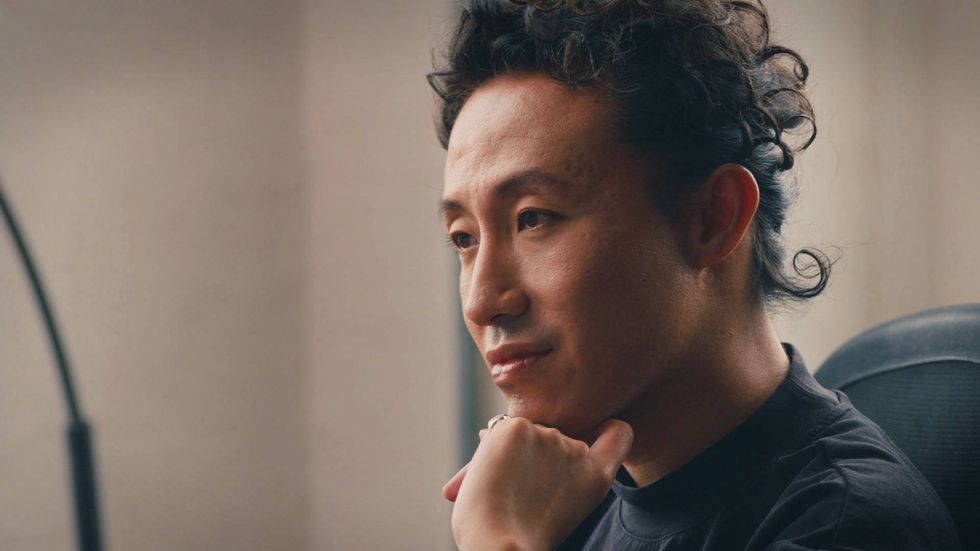
While Johnnie Walker has brought its Lunar New Year storytelling to life through cultural moments and partnerships, with voices like Ronny Chieng and platforms such as 88rising, this year they are extending the celebration into PAPER’s first-ever Lunar New Year Party. The collaborative bottle itself remains the centerpiece for Lunar New Year celebrations, a design-led expression of craft, continuity and forward motion. For 2026, it is the brand’s 13th limited edition bottle, and the legacy continues with Wun’s vivid Year of the Horse design.
Rendered in deep blues and kinetic lines, the bottle for Johnnie Walker Blue Label Year of the Horse features a horse charging forward alongside a figure dressed in Robert Wun couture. Rather than depicting the horse with simple symbolism, Wun renders it independent and unrestrained. It’s a visual metaphor for optimism and resilience, while the flowing layers of fabric convey forward motion.
Inside the bottle, Johnnie Walker Blue Label draws from just one in 10,000 casks, resulting in a rare blend that opens with citrus and subtle florals before deepening into dark chocolate, vanilla and hazelnut — all wrapped in a smooth, smoky finish. Wun’s design encapsulates a commitment to craft which he shares with the iconic whisky brand.
Two weeks out from his next show, Wun sits down with PAPER to talk about confidence earned over time, working within couture’s slower rhythms and embracing the mantra of “Keep Walking.” It is a belief in personal progress shaped by persistence, intention and the everyday moments that keep people moving forward.
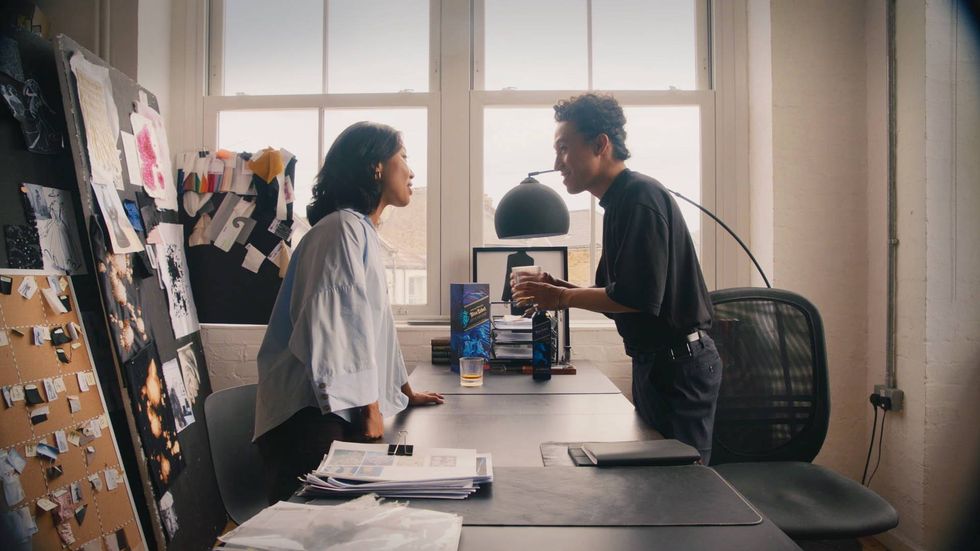
Your work feels deeply personal. It doesn’t follow trends but rather builds its own design vernacular. How did that point of view take shape?
I spent the last ten or eleven years going in and out of the system — understanding that some brands become successful by predicting the market, by guessing what people want and hitting the right moment commercially. But I realized I’m not the kind of designer who wants to spend my time guessing what people want to wear or what the next trend might be. I’m more interested in doing something personal — beyond just making someone look beautiful or desirable. I want the work to be emotional.
That direction really became clear to me with my first virtual collection a few years ago. That was the moment I felt, “This is right. This is the path I want to take.” In terms of influence, of course there are family members, people I grew up seeing wear clothes with intention and icons I admired growing up.
You were the first designer from Hong Kong to be invited into the official Haute Couture calendar. What does that mean to you, or to those who are inspired by you?
I never set out with that as a goal. I studied, graduated and built my career in London, where identity is always part of the conversation — where you’re from, what you look like, what passport you hold.
People would ask me things they wouldn’t ask my peers: which part of China I’m from, what language I speak, whether I need a visa. Other designers were asked about their collections, their ideas, their future. Those were the questions I wanted. I never wanted to be boxed in as the best Hong Kong designer or the best Chinese designer. I grew up admiring designers from all over the world without questioning their authenticity. I loved their work and their vision. That’s how I want to be seen.
My aim has always been to be one of the best designers — period. I hope that mindset encourages other designers, regardless of background, to focus on the work rather than trying to fit into imposed categories.
Are there any rules or norms you hope to challenge with your work?
I don’t really think about it as challenging anything. I’ve said this before — I don’t set out to confront rules or make statements in that way. There are already so many people pointing fingers, complaining about what’s wrong with the industry. What I believe in more is leading by example—creating change through work, through building something, rather than just criticizing. I’d rather focus on making the work and letting it speak.
I deeply believe that every great house started with a singular designer who simply loved making clothes and believed fashion was more than clothing. They mastered craft — cut, form, fabric. Fashion became a reflection of human identity. That purity is what I want to focus on and celebrate throughout my career.
Were there mentors or moments that shaped your journey early on? And was there criticism that pushed you forward?
There were many people who opened doors for me. French fashion institutions and awards allowed me to meet industry leaders. Bruno Pavlovsky from Chanel played a major role in opening Paris to me. The Fédération’s support was crucial. Katie Grand gave me my first major feature.
As for criticism, there was one moment that stayed with me. A journalist came to see my work and the first thing she asked was which part of China I was from, whether I needed a visa to be in Europe. Then she assumed my partner must be British. When I told her I had British citizenship, she was surprised. I don’t know if you would call that criticism, but that interaction reminded me that my face or identity can still be perceived as a barrier, even now. But in general, I take criticism in the most optimistic way possible and let it push me forward.
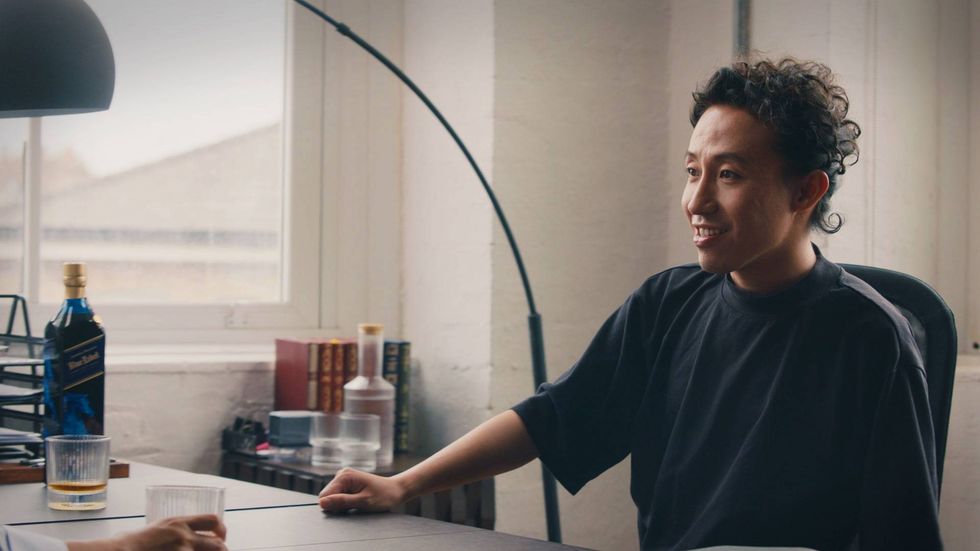
Couture is rooted in slowness, yet we live in a hyper-fast culture. How do you navigate that?
Fashion has always been demanding. The higher you climb, the more expectations there are. What’s changed is social media. Everything is instant. There’s no pause anymore — no time to reflect between shows, reviews, reactions. But as a millennial, I’ve experienced both worlds. I don’t feel like I’ve had to adjust too drastically.
What I love about couture is that it remains a safe space. People still come to couture week for the clothes, the craft, the story. It’s not about who’s on the front row or who’s walking in. It allows designers to focus on the work, and that’s incredibly valuable.
Your relationships with artists and celebrities feel organic—and there’s such a wide range. How do you go about navigating those collaborations?
I genuinely enjoy working with artists. Many of them are people I admired long before we ever worked together. For me, it’s about mutual inspiration. They see something on the runway and recognize themselves in it, or see it connecting to a project they’re developing. Collaborating allows us to bring a concept into another universe, to reimagine it through someone else.
That idea is very aligned with couture. It’s made-to-order, transformative. Designers were always meant to design for people — to create something that lives with them. There’s no strict criteria for who we work with. We feel incredibly lucky to collaborate with so many artists we respect.
What does it mean to step into a Lunar New Year tradition Johnnie Walker has upheld for 13 years?
It feels incredible. I love collaboration. I enjoy stepping beyond my own industry and exploring other worlds. This was an opportunity to think about a bottle, about what Johnnie Walker Blue Label stands for, its history and its symbolism — the striding man walking forward. I enjoyed bringing something from my universe into theirs and finding a shared language.
How did you approach designing the Lunar New Year limited edition bottle?
From the beginning, we knew it was the Year of the Horse. I was very clear that I didn’t want to depict someone riding a horse. I wanted the horse to run free. The horse represents forward motion, freedom and strength. Rather than charging against the wind, it moves with it.
This was also the first time Johnnie Walker Blue Label collaborated with a couture designer on a Lunar New Year bottle, so it was important that the bottle wasn’t just graphic or illustrative. It needed to reference clothing, movement and form. We wanted the design to feel like it came from our world—to translate couture ideas into something tactile.
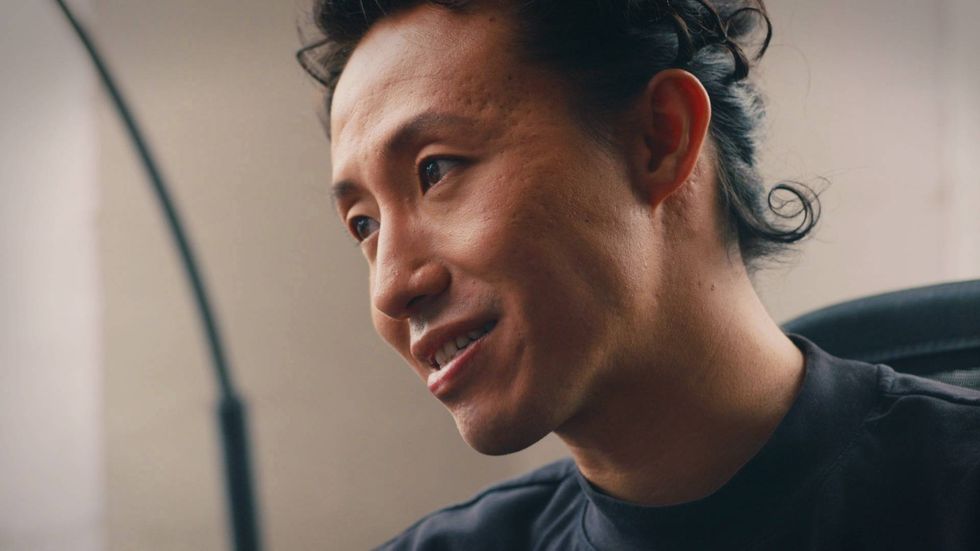
Do you see parallels between your work and Johnnie Walker’s Blue Label approach to craftsmanship?
Absolutely. Whiskey itself is craftsmanship. When you master something, when you take time, when quality and substance matter, it becomes an art form. That’s where couture and whiskey align. Both celebrate refinement, patience and skill. It’s about honoring craft, whatever form it takes.
How do you usually celebrate Lunar New Year?
I’ve been in the UK for 18 years, and Lunar New Year usually falls right in the middle of fashion season. I don’t get to go home often. But I celebrate in smaller ways — having dinner with my community here, calling my parents. They always call me exactly at midnight Hong Kong time. That connection matters. That is why I connect so personally with Johnnie Walker. They celebrate the same values, fostering togetherness during the holiday and encouraging people to share a toast no matter the distance.
What does it feel like knowing this bottle will be part of so many Lunar New Year celebrations?
It’s surreal. A friend of mine who works in finance sent me photos from the airport — he’d already bought a bottle. It’s special because it reaches beyond fashion. People who know nothing about couture will be able to see the collaboration. That expansion feels very meaningful.
What are you looking forward to in the Year of the Horse?
For me and my team, it’s about continuing to do what we do and doing it well. We have shows coming up and many projects ahead. It will be a busy year. I hope we meet the challenges, enjoy the process and then maybe take a very long holiday next January. I think we’ll need it.
The collaboration with Johnnie Walker Blue bottle connects closely to Johnnie Walker’s “Keep Walking” philosophy. How does that resonate with you?
It resonates very strongly. I didn’t do my first runway show until 2023. Before that, there were eight or nine years where I was working quietly in the system, with very little recognition. That idea of continuing — of moving forward even when nothing seems to be happening — reflects my life both professionally and personally. I believe in building bridges and leading by example.
Finally, how has that mantra helped shape your approach over time?
I think I’ve managed to feel more confident over time. Back then, there was more doubt in my head — I wondered whether people really wanted to listen to what I had to say, or whether designing something personal would resonate. I don’t think I had the confidence to say: I want to do this, I have a story to tell and I want to execute it.
What’s changed very drastically is that now I feel much more comfortable with how I think about fashion, how I design and the subjects I want to explore. I worry less about what other people think and feel more comfortable with what I want to do — unapologetically.
JOHNNIE WALKER BLUE LABEL YEAR OF THE HORSE. Blended Scotch Whisky. 46% Alc/Vol. Imported by Diageo, New York, NY. Please drink responsibly and do not share with anyone under 21.