Can Social Media Be More Like Letterboxd?
by Pola PuchetaFeb 20, 2026
There are not many places left online where having an opinion does not provoke immediate escalation.
Most platforms now require that a thought become a stance, a stance become a brand and a brand become a defensible moral position. The stakes of casual internet posting have inflated for even the passive observer. Thankfully, there is Letterboxd, a platform that allows one to deliver hot takes without needing to justify them.
On the surface, the app is simple: a social diary for watching movies. In practice, Letterboxd has become part of a longer cycle of online expression. Early internet writing on blogs and personal sites felt, to many, unfiltered and personal. But over time, expression was compressed into curated social media feeds which were optimized for algorithmic safety and monetization. Letterboxd emerged as almost a reversal, a space where people could speak more fully again — or even perfunctory — without resolving or defending their thoughts. Reviews can be unserious, thirsty, contradictory or irreverent.
Do not misunderstand. This is not to argue against political clarity or digital advocacy. What I am instead describing is the fatigue of speaking under constant anticipation of judgement online, the ability to work out one’s thoughts without the turbulence of a discourse cycle. This fatigue is not incidental; it is reinforced by monetization models that incentivize argument and outrage. Rage-baiting has become a category of content in and of itself, rewarding spectacle over exchange.
This exhaustion is part of what produced the dark forest theory of the internet: the idea that public online spaces have become hostile terrain, where visibility invites extraction, misreading or attack.
In response, people retreat into private group chats and semi-obscure platforms like Substack or Perfectly Imperfect, where attention is less punitive. The forest went dark because people have learned to hide in order to speak at all. Letterboxd is one corner of the internet that operates with a partial workaround to this condition. Someone can be shamelessly flippant about a three-hour historical epic or write earnestly about a low budget melodrama. Unlike platforms built around frictionless reposting and amplification, its design does not automatically scale conflict. Attention accumulates more slowly, through follows, likes and lists rather than viral escalation.
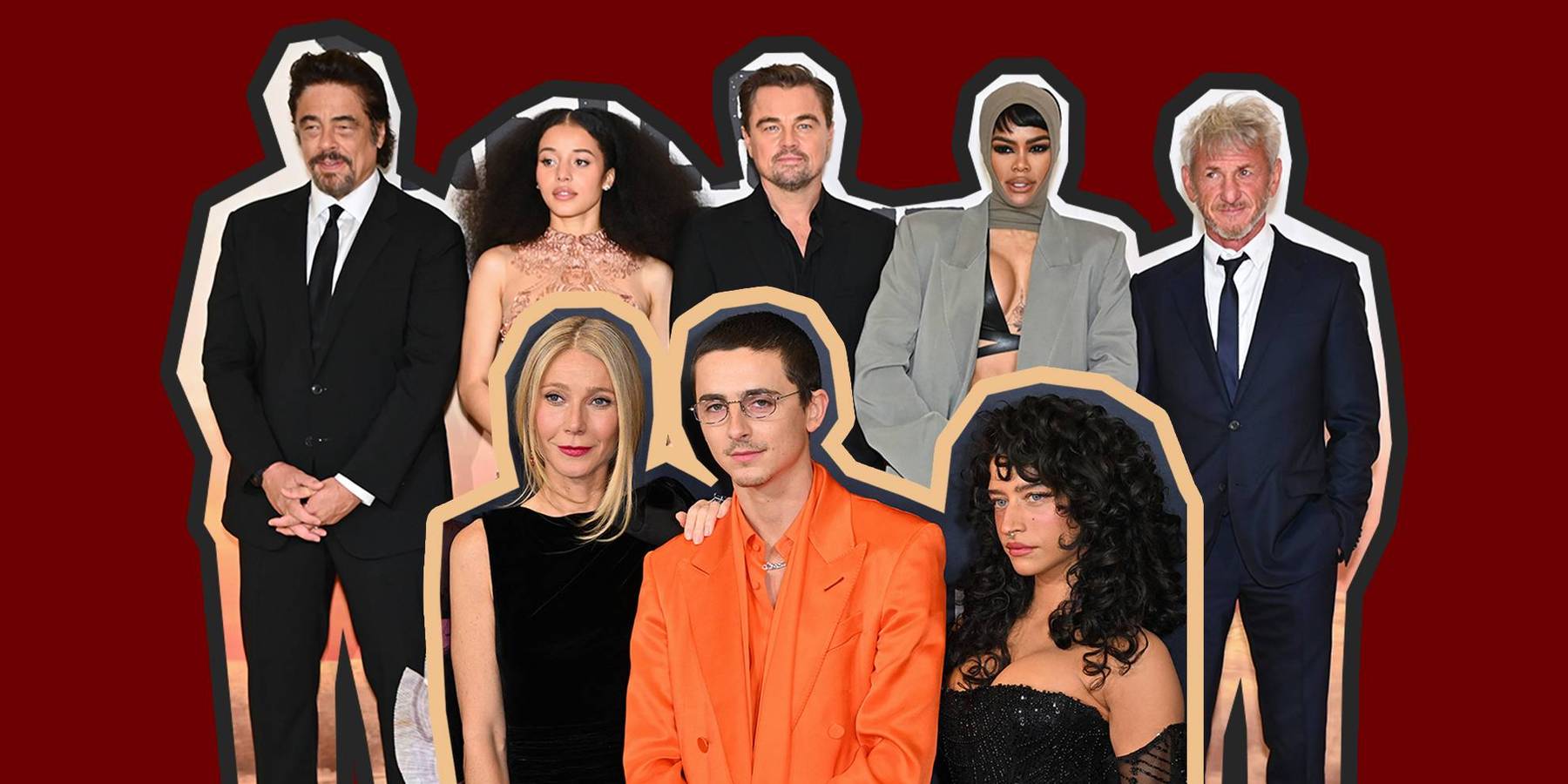
This is visible in recent releases. Paul Thomas Anderson’s One Battle After Another attracted rabid attention on social media, with frequent and intense blowups on X as people debated its politics, humor and ambition. On Letterboxd, while exact review counts are not publicly available, the engagement is high but unfolds differently: people can deliver a hot take across multiple entries without it turning into a full-blown debate. Marty Supreme shows a similar pattern: users were ready to get their jokes off about the shorthand casting, the marketing stunts, the honey scene, the white boy of the month of it all. In an industry where so few film releases have something to say, Letterboxd offers a space for viewers to articulate judgment without the volatility of the wider social web.
What also makes Letterboxd compelling is that it is public, but obliquely public. It is a platform that can be intensely referential, especially when one’s interests are niche. Reviews, lists and likes accumulate shared shorthand — inside jokes, obscure cultural nods or glimpses of personal memories. In a sense, people are speaking in code, signaling taste or humor.
In a social media landscape where every post risks being performative, Letterboxd shows us that public expression does not have to be reactionary to be meaningful. It allows for judgement to coexist alongside desire, humor and memory, and for meaningful exchange to happen without opinions becoming a form of identity or currency. Our digital era is defined increasingly by curation, or overexposure through surveillance. Spaces like Letterboxd offer a rare model of what casually discussing art amongst ourselves can feel like.