
Latest
ICON Series: Pepe Aguilar, The Craft of Time, the Voice of Silence, and the Weight of Legacy
19 January
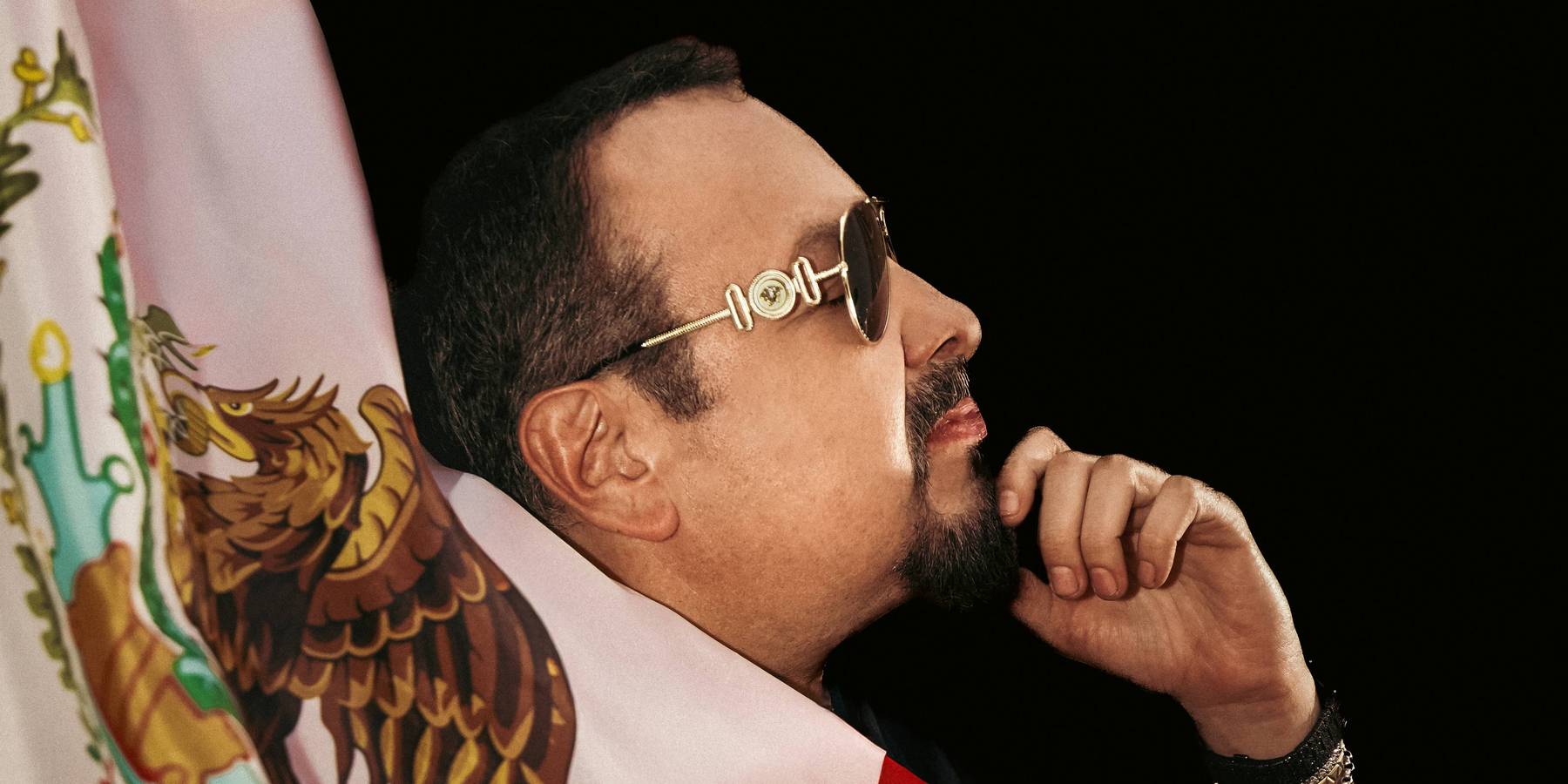
Our Icon Series for PAPER Espanol honors those exceptional artists who inhabit a territory entirely their own—one sustained by talent, discipline, and absolute devotion to their craft. An icon does not merely withstand the passage of time: they transform it, imprinting their work onto the cultural pulse of an era and turning art into collective memory.
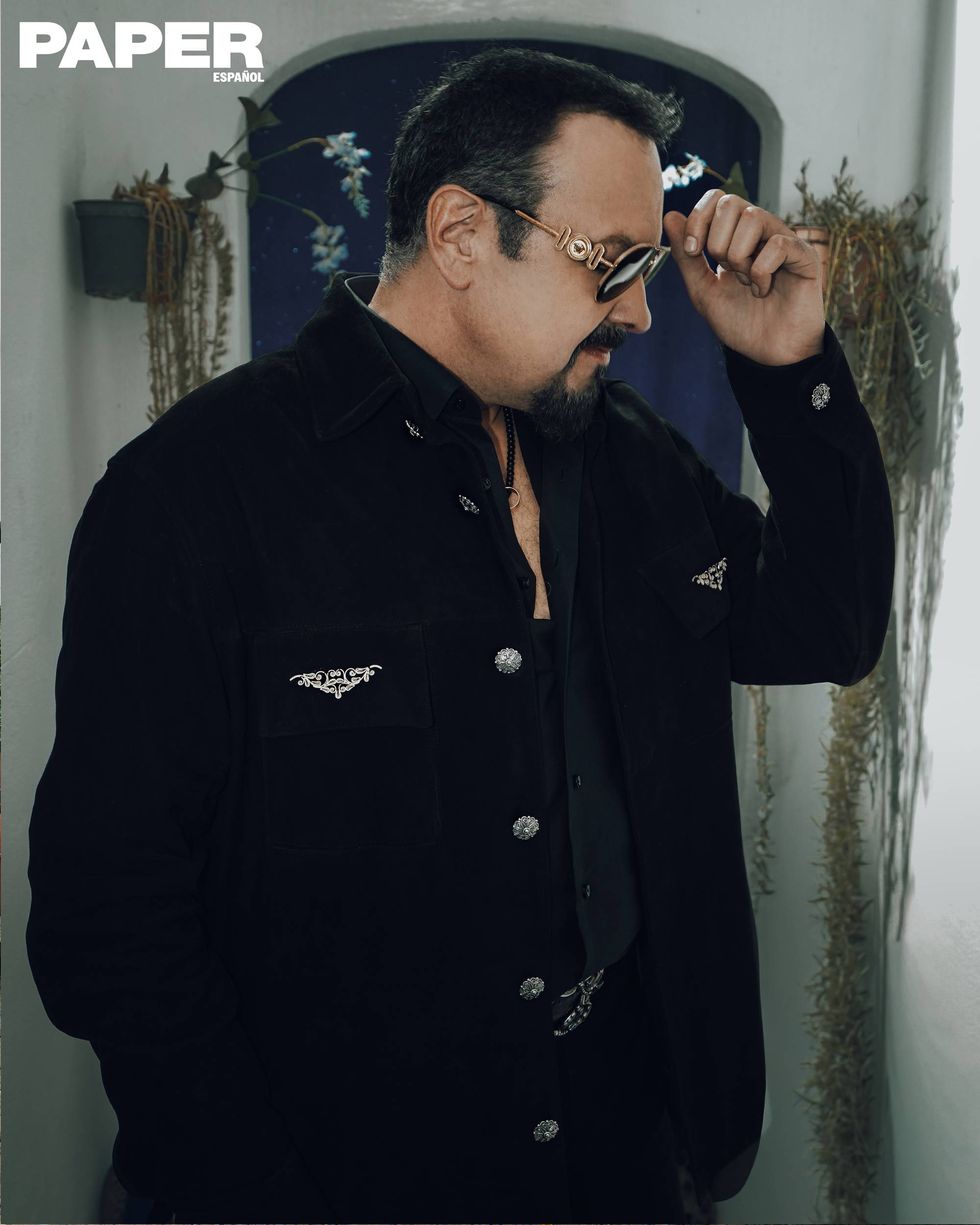
Our inaugural artist is Pepe Aguilar, a figure of generational power whose voice has crossed decades, stages, and borders. With four Grammy Awards, five Latin Grammy Awards, and billions of streams worldwide, his trajectory speaks for itself. His legacy is measured in permanence: a presence that continues to define Mexican music and reaffirm, with every song, his place as a true icon.
To speak with him is to step into an intimate map of Mexican music: the discipline behind the stage, independence as philosophy, fatherhood as a mirror, and meditation as a compass. Pepe speaks with the tranquility of someone who understands that real power lies in choosing where to place one’s time, and in never betraying the truth of a song. In this conversation, he reveals himself as an icon not only for what he has achieved, but for what he represents: a way of moving through the world with purpose, of looking toward the future without letting go of one’s roots, and of reminding us that when music is authentic, it does not age: it becomes legend.
Pepe, your last name is synonymous with the history of Mexican music. What was it like growing up with successful and famous artists as parents?
For me, it was never strange or extraordinary. It was simply normal. My parents were my parents before they were artists. I saw them as ordinary people. The difference was that wherever they went, there were crowds—they were deeply loved, widely celebrated, and we were constantly traveling. But for many years, I wasn’t truly aware of what that meant.
When did you first feel the weight of becoming an icon yourself—the moment you thought, I want to be on that stage too?
Becoming an icon is something you never stop trying to achieve. But the real awakening came when I became independent from my parents and began producing my own shows. That’s when I understood how difficult what they had achieved truly was, how complex it was to reach that place, and how much ground I would need to cover if I aspired to something similar.
That was when I realized that if you don’t have a true dedication to your craft—if you don’t genuinely want to say something meaningful through music—this career isn’t worth pursuing. But in that same moment, I also understood that my parents’ reality was theirs, and that I had to forge my own. That’s when I made a pact with destiny: to become who I am.
What did that pact look like?
I’ve always been motivated by challenges—by difficulty, by negative feedback, by the word no. For me, no is the greatest stimulus, and in this industry it’s the word you hear most often. That has always been my fuel.
From the very beginning, I did things that weren’t planned, that didn’t fit the norm: recording in a different style, offering perspectives that hadn’t been explored before. That was always my engine.
Do you remember the first time you felt you were going to make it as an artist?
Ironically, that happened before I became independent. By the time I took that step, I had already experienced major success. What surprised me was realizing that there wasn’t such a dramatic difference—my label had given me significant creative freedom. I chose my repertoire, produced my own work, and shaped the narrative of my albums.
Independence gave me ownership of my work, but it also came with more labor, a greater expense, and a steep learning curve. I had never been a businessman. I had to learn that side from scratch. Today, more than 25 years later, I’m still learning. Independence remains the greatest challenge.
Looking back, which songs make you feel the most proud?
Those born from honest intention. Songs that emerged from emotional necessity—because if that feeling stayed inside me, it would explode. Not the songs created with a commercial agenda in mind.
Every artist falls into that trap at some point: after a big success, you want to repeat it. But the songs I’m most proud of don’t follow that logic. They have craft, pain, professionalism—but above all, they're genuine. They are songs made without strategy in mind.
Mexican music is experiencing a rapid global expansion. How do you see this moment from your place in the industry?
I’ve witnessed every possible transformation—from vinyl to cassettes, CDs to streaming, and now whatever comes next. It’s not just the format that’s changed, but how music is consumed, how it competes, how it’s understood.
Today’s Mexican music isn’t traditional, even if it comes from Mexican blood. It uses the same instruments, carries the same grit—but it’s an evolution. You may like it or not, but it’s the natural expression of a culture in this moment.
And still, I believe people will cling even more strongly to their roots—mariachi, banda, norteño. They may not top playlists, but they are solid, eternal genres. There’s room for everyone.
In a world dominated by platforms and artificial intelligence, what do you think lies ahead for the music industry?
No one knows for sure. We’re at the beginning of a before-and-after moment. Right now, most people can’t distinguish between a song made by humans and one made by AI.
There will be a massive boom, followed by stagnation—much of it will probably sound the same. Artists who know how to use AI and who are true artists will be amplified. Those who aren’t will simply make noise.
Eventually, we’ll return to the essentials: one real person, one real guitar, filling a stadium. People will grow tired of the artificial.
What has time taught you about silence and maturity?
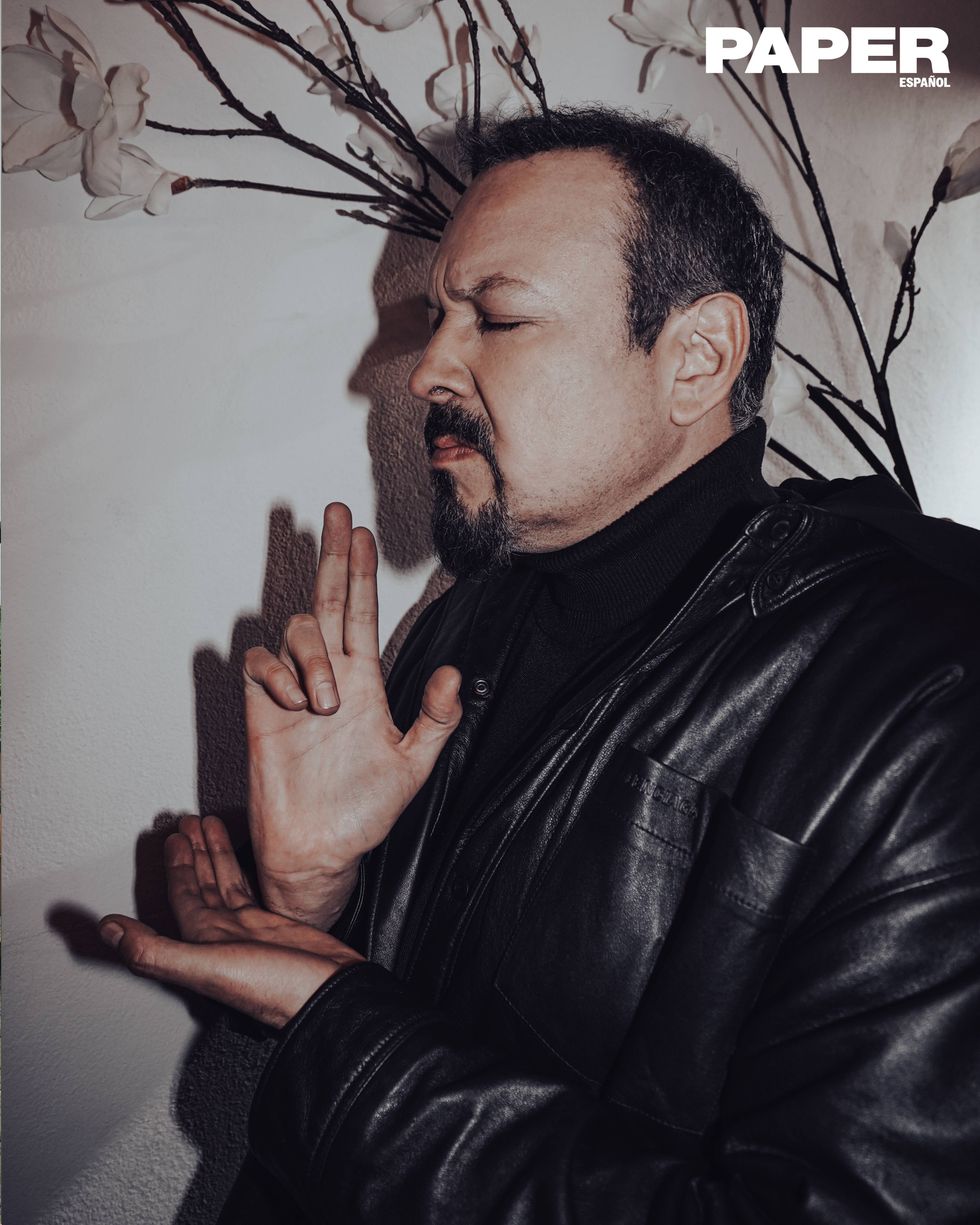
Silence and pause, when practiced consciously, are medicine. They are essential for reconnecting with yourself.
When you’re young, you have strength but no wisdom; later, you have experience but less energy. Silence has taught me where to place my time. I apply it to everything: music, business, creative decisions.
Meditation isn’t a destination; it’s a practice. Like exercise, if you abandon it, you become weaker.
How did fatherhood reshape your understanding of legacy?
Becoming a father has been the most complex experience of my life. It confronts you with your values, your flaws, your limitations. Teaching by example forces you to grow.
I learned that my children don’t belong to me. You guide them as far as you can, and then you let them go. And that love—the love of a father—remains intact, far from all the noise and expectation.
What themes move you today as a creator?
I seek depth, truth, and narrative. Music that can be listened to 30 years from now. I don’t chase immediate hooks.
I’m inspired by real stories—my children, my friends, universal human experiences. If there’s no truth, I’d rather make an instrumental piece.
How do you maintain authenticity when everyone is watching?
Simply put, I don’t live in the noise. I stay focused on becoming better—as a person and as a creator. It isn’t a strategy; it’s instinctive.
That doesn’t mean ignoring reality or avoiding difficult conversations. Of course there are moments when you have to address things, to speak up, to act. But it does mean that I don’t stay there. I stay where I’m meant to be: listening for the next song, fully immersed in what’s next for me as a human being—not as a strategist of outrage or gossip.
What matters to me is self-improvement. I’m confident that whatever comes after writing a better song, or becoming a better version of myself, will be the consequence that truly matters.
What advice would you give to new artists seeking longevity in this industry?
There are no formulas. No magic. If there were, we’d see far more artists with lasting careers. I believe it’s up to the individual—like everything else.
If you’re passionate about what you do, truly passionate, and honest enough with yourself to say, I have something unique to offer the world, something that can inspire others, that’s what allows you to endure. Longevity comes from not betraying yourself, from becoming the best version of who you are.
If you are genuinely an artist, you want to do this for decades. Focus on refining your voice, your technological skills, your literary tools—whatever your craft requires. To last 30 or 40 years, you need method. Talent alone isn’t enough.
Do you feel a responsibility to guide new generations, including your own children, in their careers?
One hundred percent—if they want it. In life, everything begins with wanting it. And it also depends on how useful that guidance can be.
In my case, yes, because I remain very active and present in my own artistry. But experience alone is not a guarantee. The world changes quickly, and if you don’t translate that experience into the present moment, it can even become an obstacle.
From your perspective, what defines an icon?
The ability to transcend year after year. To endure, to reinvent oneself, to create songs that move generations and define eras. To contribute something lasting—something that leaves an indelible mark.
I’m not there yet. I hope that in 15 or 20 years—if life allows—when I reach the ages at which figures like Vicente Fernández or my father passed, artists now called icons, I might have done enough to earn that name. For now, I’ve simply persevered, followed my instincts, and been fortunate to be appreciated by both critics and audiences. But going from that to being an icon—I think there’s still a long way for me to go.
What’s next for you?
A great deal of music. I have a new album of original songs ready—diverse in sound, produced and arranged by me. It isn’t strictly mariachi, though some tracks are; there’s fusion, norteño, and touches of banda. It’s an album built entirely on new material.
There will most likely be a second volume of Mi Suerte Es Ser Mexicano. I loved the result of the first one, and the response was incredible—it was Grammy-nominated, among other things.
We also have a live album from the Hollywood Bowl, recorded with my family. There’s touring, promotion in Europe and South America. It’s a full year—thankfully—of meaningful work. Work I love, work that makes me proud, and challenges that feel worth embracing.
To close out: how would you like your voice to be remembered?
As proof that everything is possible: if you commit fully, if you have the tools, and if you remain real.
It’s not about comparison or chasing what isn’t meant for you. It’s about doing the best you can with who you are, and taking that as far as it can go.
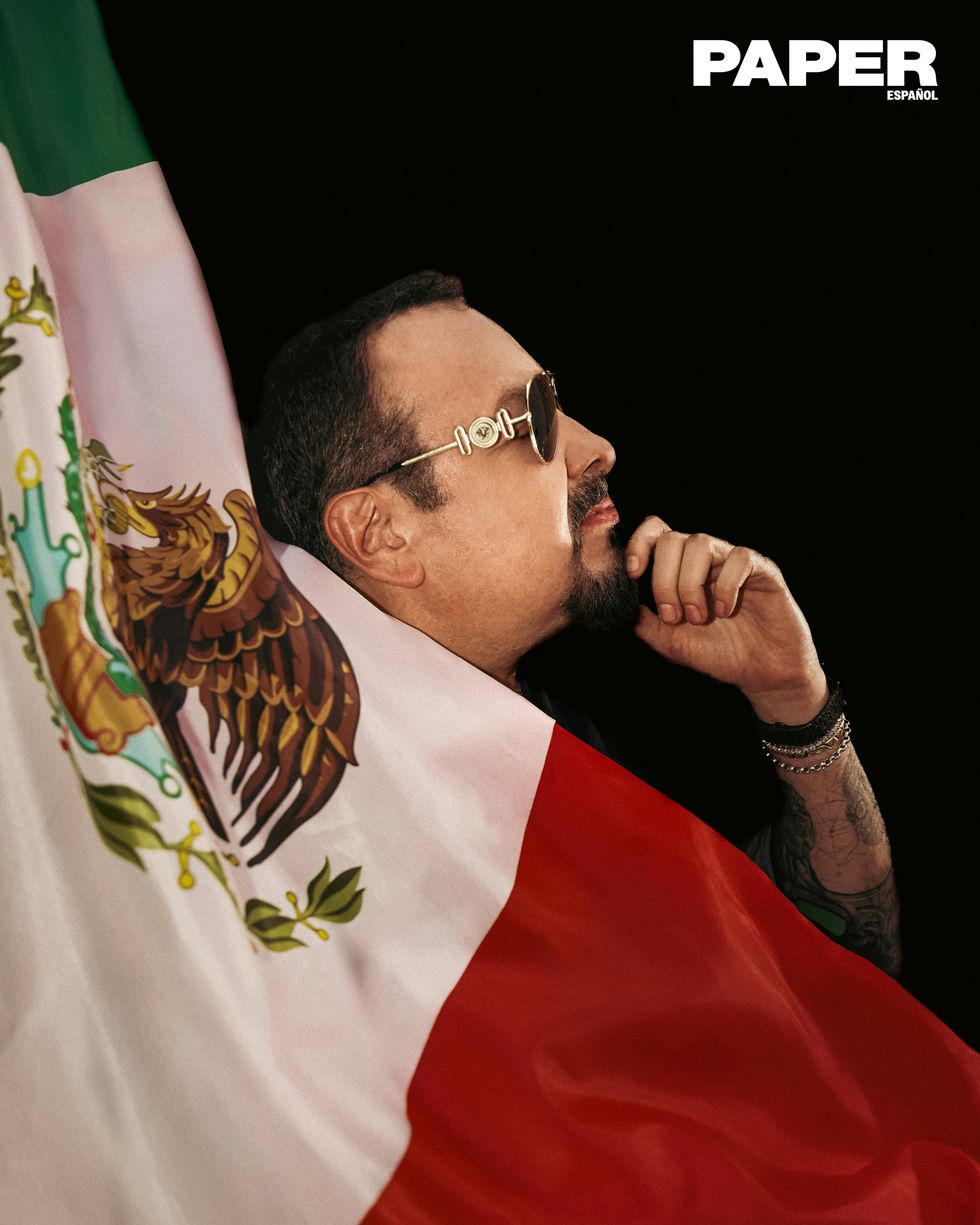
Interview and article by Ricardo Diaz
Photographer: Ricardo Diaz
Stylist: Bo Roses
Make Up Artist: David Velasquez
Production Assistants: Emiliano Perez Soto, Randy Ramirez
Creative & Executive Director: Brian Calle
Digital Director, PAPER Español: Ricardo Diaz