Do We Party Because We’re Happy... or Because We’re Lonely?
by Angel AriasMar 31, 2026

In NYC’s queer nightlife scene, the dance floor is where isolation and community exist all at once.
For me, the arrival to the function is a mix of thrill and intimidation. Walking past the main line or heading straight to the guest list, I feel the shift in attention. People look. Everyone wants to be near who they think is somebody. Social media and perception have made proximity feel like currency. Sometimes it’s flattering. Sometimes it makes me want to disappear.
I go out for music and for people; sticking out feels strange, like they’ve all decided something about me before I’ve even said a word. These first 30 minutes are always the same: a lap around the room, quick hellos, catching up, reading the energy. Then a drink. Then the dance floor.
I’ve thought a lot about why anyone goes out at all. Whether it’s really about connection, or something closer to escaping being alone. “It’s both, and none,” multidisciplinary artist Cain Lima tells PAPER. “If there wasn't a connection, I’d feel alone, so I wouldn’t go out. But I’ve felt connection at home and still choose to go out. Sometimes it’s just a ki.”
That contradiction sits at the center of nightlife.
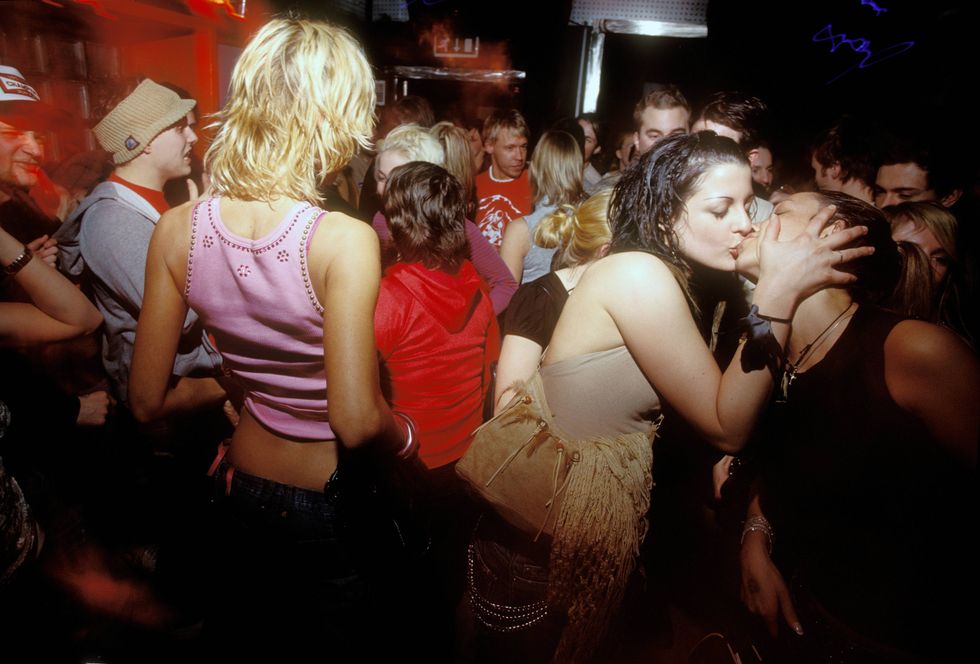
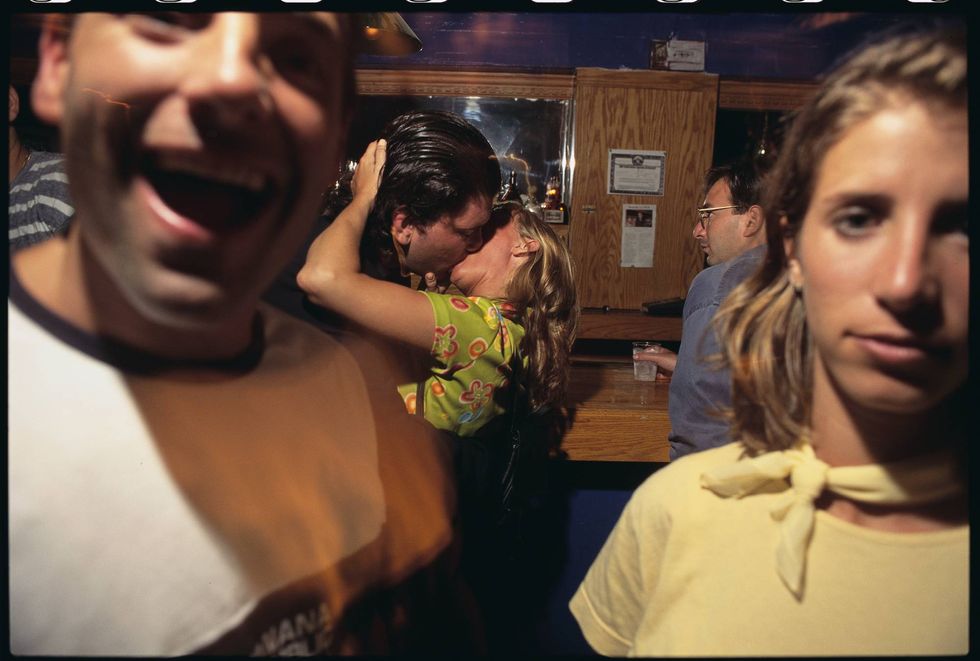
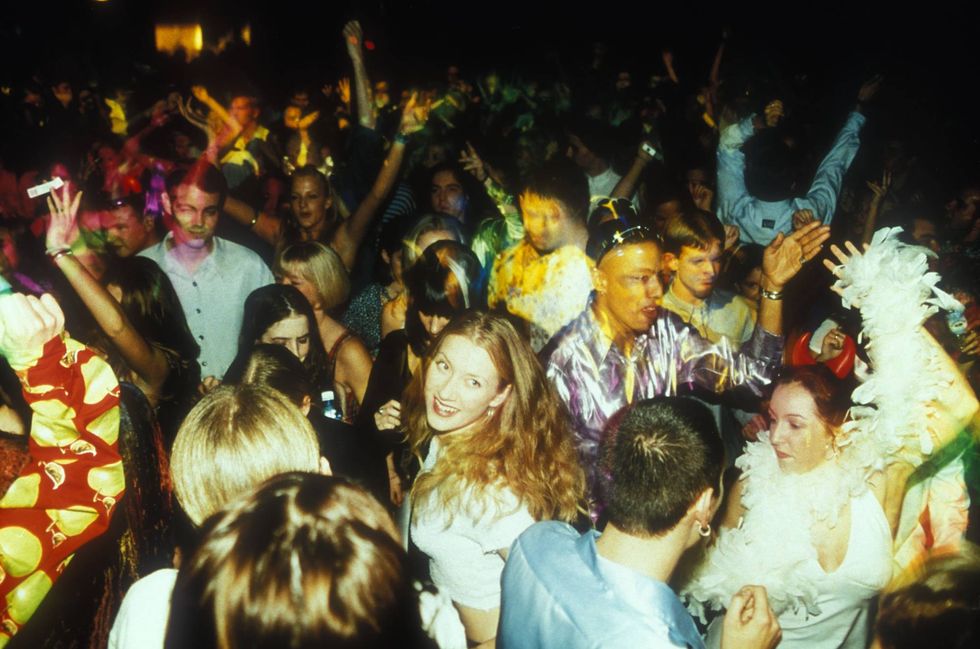
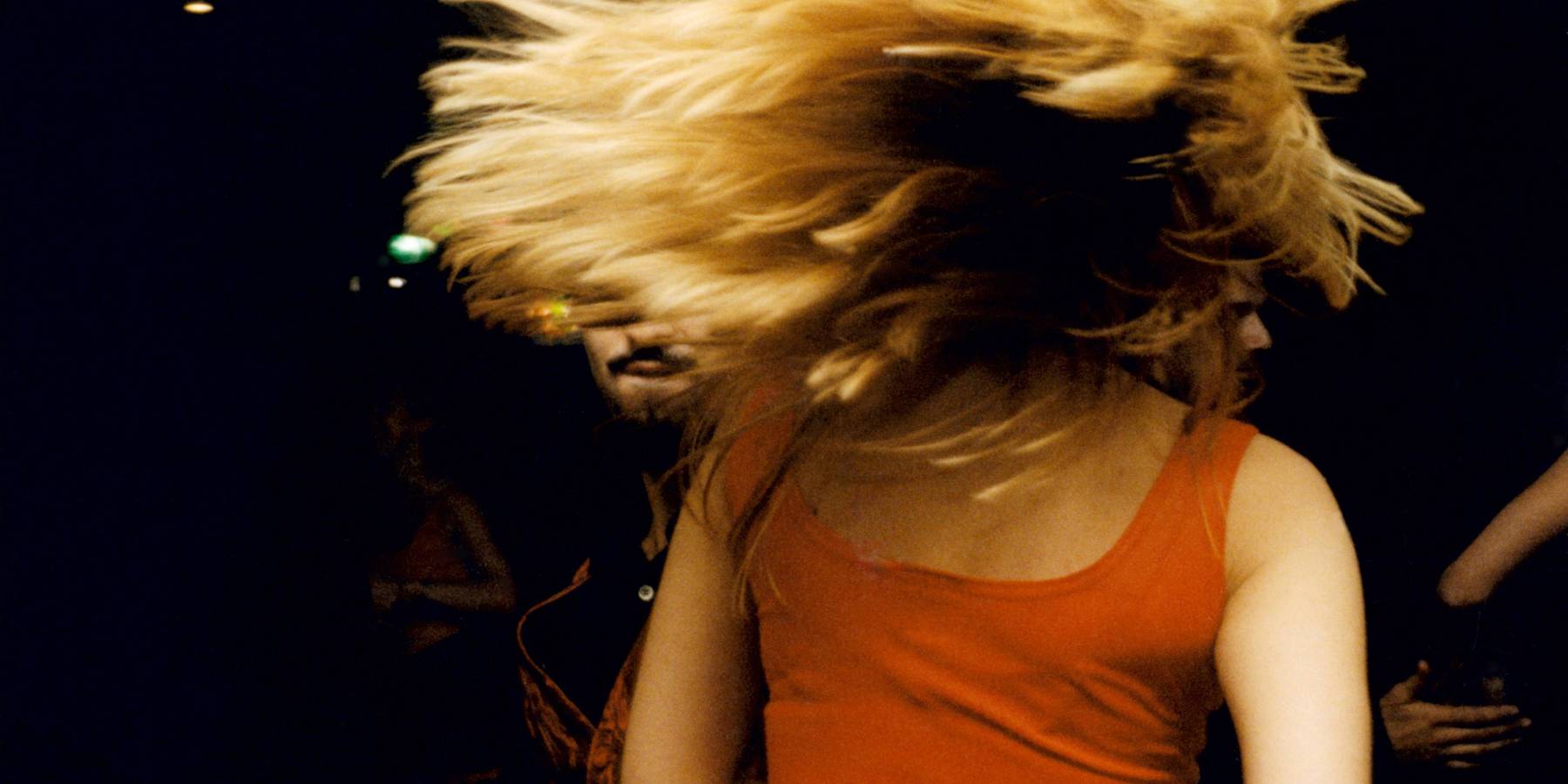
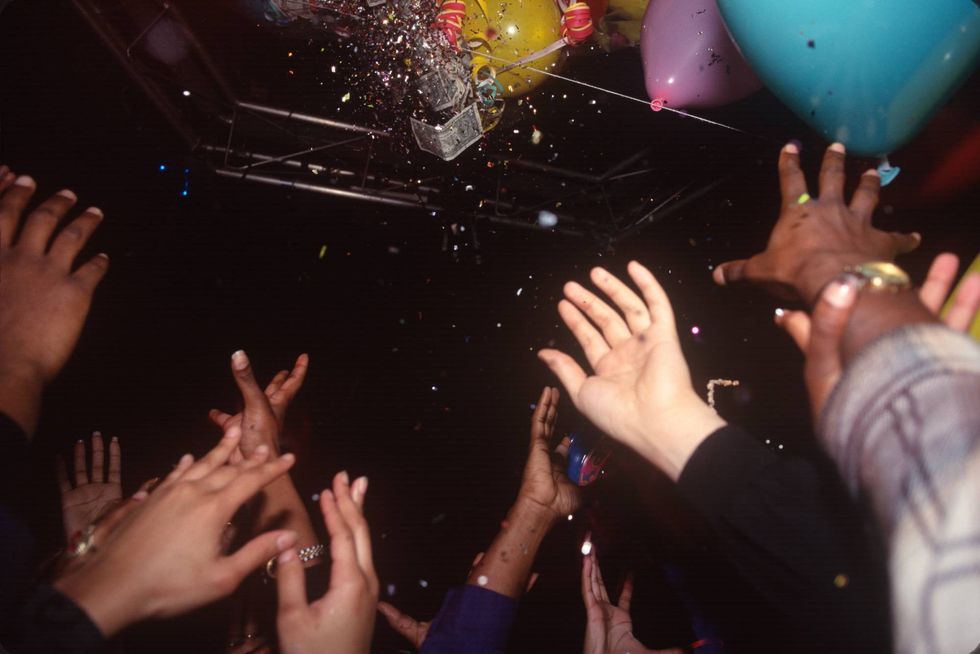
The best parties are the ones where the music is loud enough that talking doesn’t matter. Phones covered at the door. The room is dark and minimal. Fog hangs in the air, neon cutting through it, and the bass shakes everything into place. Heat radiates off bodies fully in it. Those moments when the DJ plays the right track and suddenly every hand is in the air — I feel something shift.
For a few hours, I shed everything else. My personality, my stress, my life outside. I just meld into the crowd.
For many queer people, nightlife is about more than just going out. It’s how we find each other, where our chosen families take shape, where we meet people who understand us without explanation. In a city as overwhelming as New York, especially for people who’ve left smaller towns, the club can be one of the first places they feel seen.
For Memphy, a DJ and model, that duality is especially visible. “I think people go out to avoid being lonely, but also to feel connected,” she says. “Especially when you’ve just moved here, it can feel really isolating at first. Going out is how people find their people.” DJ Griffin Maxwell Brooks put it more simply: “I don’t think those two things are so different. Sometimes I’m going to see people, sometimes I just want to be in a packed room. If it’s a good party, the result is usually the same.”
As a promoter myself, that tension is felt in the early hours of a party, when it hasn’t found its footing yet. People come for different reasons. Some want to dance, some want to drink, some are there to network, others to support friends. I can feel when those intentions don’t align — there’s awkwardness, disconnection. Like everyone is waiting for permission to let go.
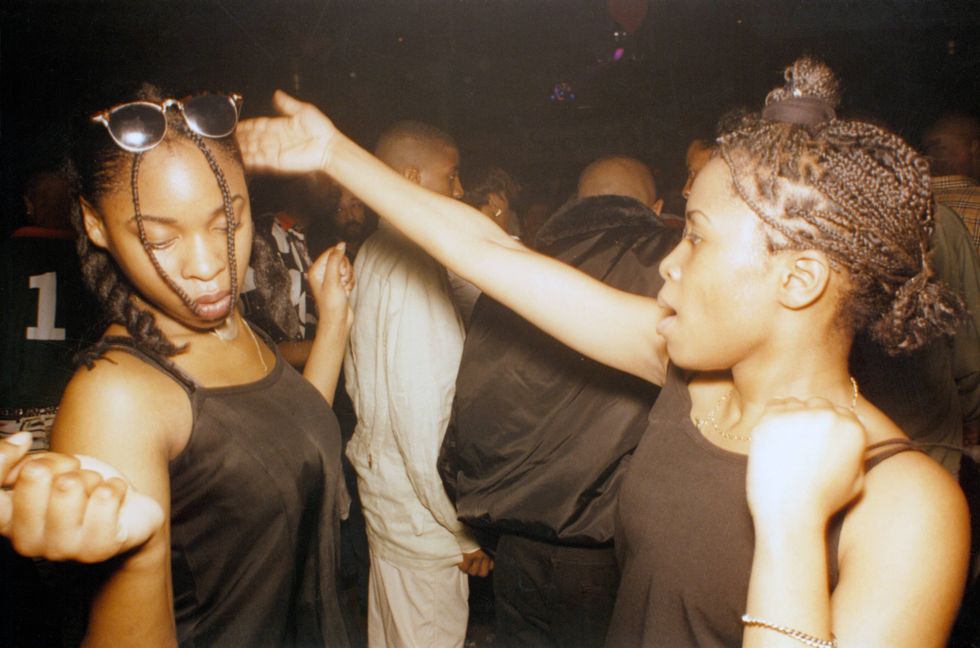
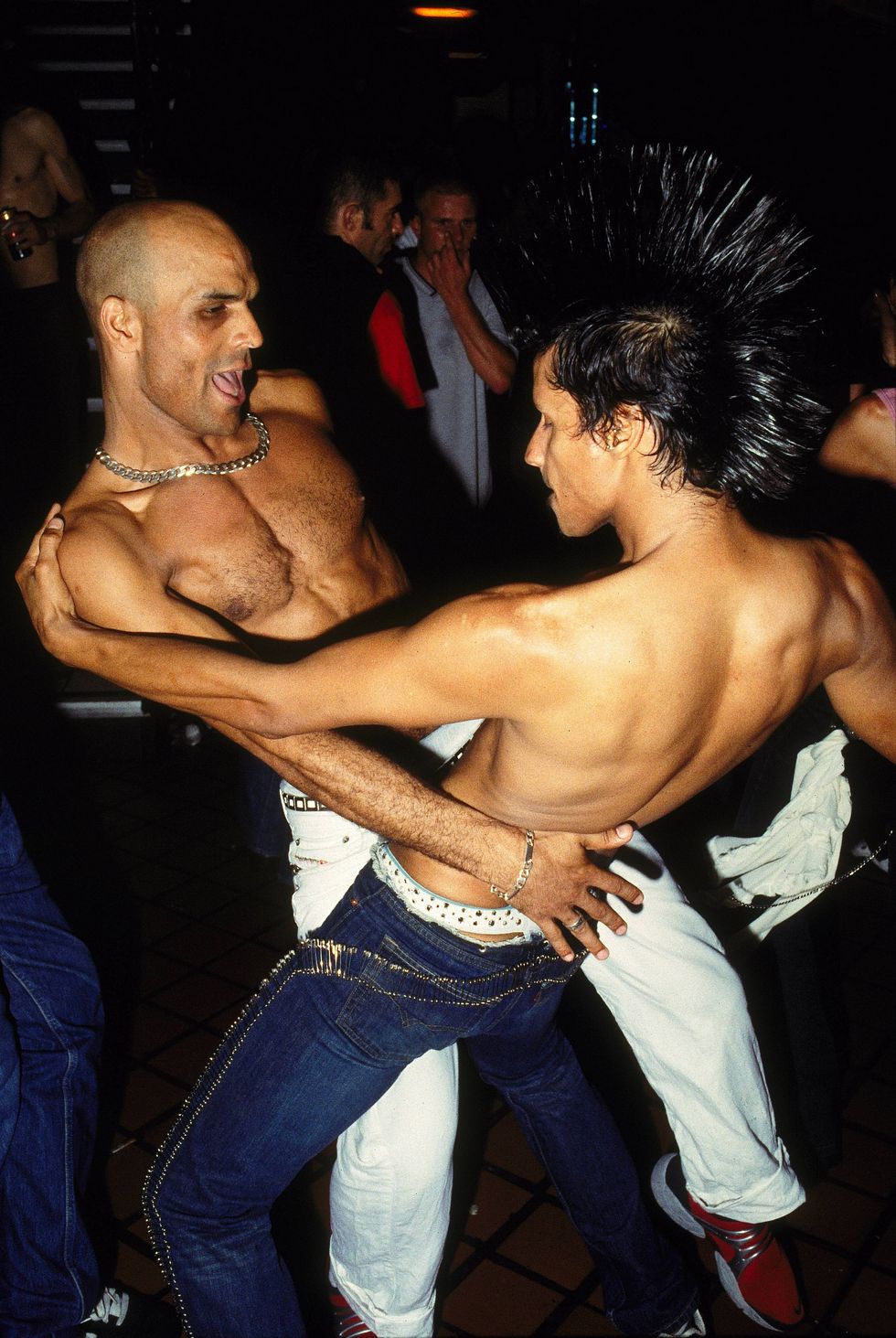
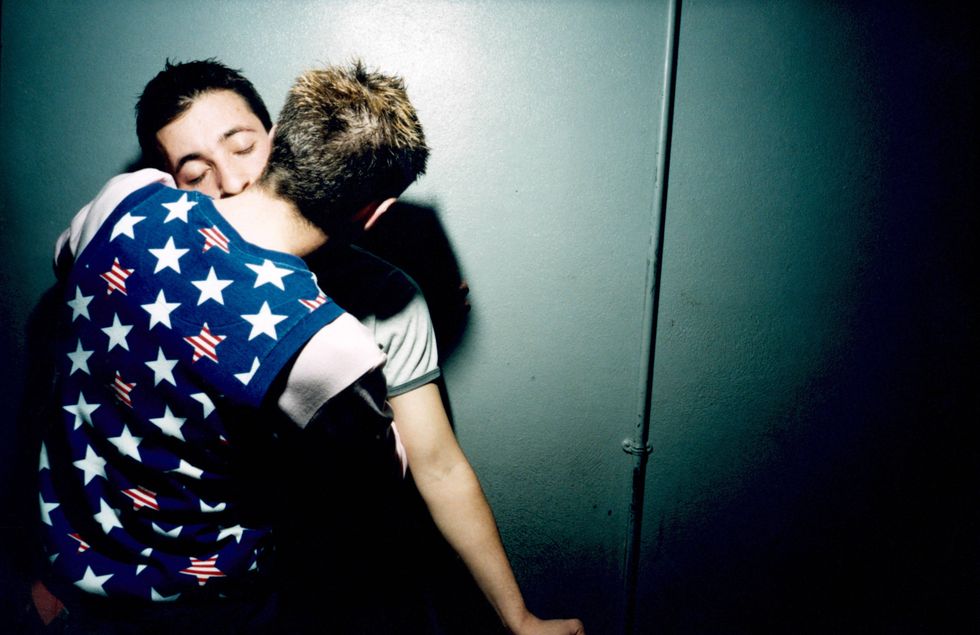
This is the version of nightlife where everything becomes about proximity: who you know, how you’re perceived, how close you are to whatever feels culturally relevant. Those are usually the parties that fall flat. At the parties that suck, what you do matters. At the best parties, what you do is irrelevant. It’s usually a few hours in. The crowd has settled. People are comfortable. Whatever they needed to let go of, they have. And suddenly the room moves differently. “There’s no feeling like it,” Griffin says. “It usually happens early in the morning when people have been partying long enough that the rules go away. Talk to whoever you want. Dance with anyone. We all stayed for the same reason.”
Cain describes it as a kind of collective flow state. “Your body melts into every other body and suddenly the dance floor becomes an ocean… a queer utopia, play pretend.”
Memphy has felt that shift too, but she’s also seen how it’s changed. “After COVID, when people could finally go out again, it felt like such a together moment,” she said. “But now, I think people stay in smaller groups. They’ll dance for a bit, then go off to the bathroom or the green room to talk.”
That tension between collective energy and smaller, private worlds lingers in the room. For me, nightlife has also become a space for creative expression. It’s where I’ve been able to experiment with fashion, hair, and makeup, with how I present myself. I’ve worked with emerging designers, worn pieces I wouldn’t have access to anywhere else, and been part of shoots for flyers and events. There’s a kind of freedom in getting dressed for a night out, in deciding who you want to be and fully stepping into it.
In those moments, I feel glamorous, visible, like a version of myself that doesn’t exist in the daytime. Memphy sees that same creative potential in nightlife. “I love nightlife because it’s given me an outlet to express my creativity,” she says. “As a DJ, artist, and model, it’s such an important space to share your art and connect with an audience.”
But not every night gets there.
Sometimes people are so focused on having a good night they forget to actually experience one. Sometimes the music doesn’t land. Sometimes the crowd never syncs. Sometimes they’re surrounded by people they know and still feel completely disconnected.
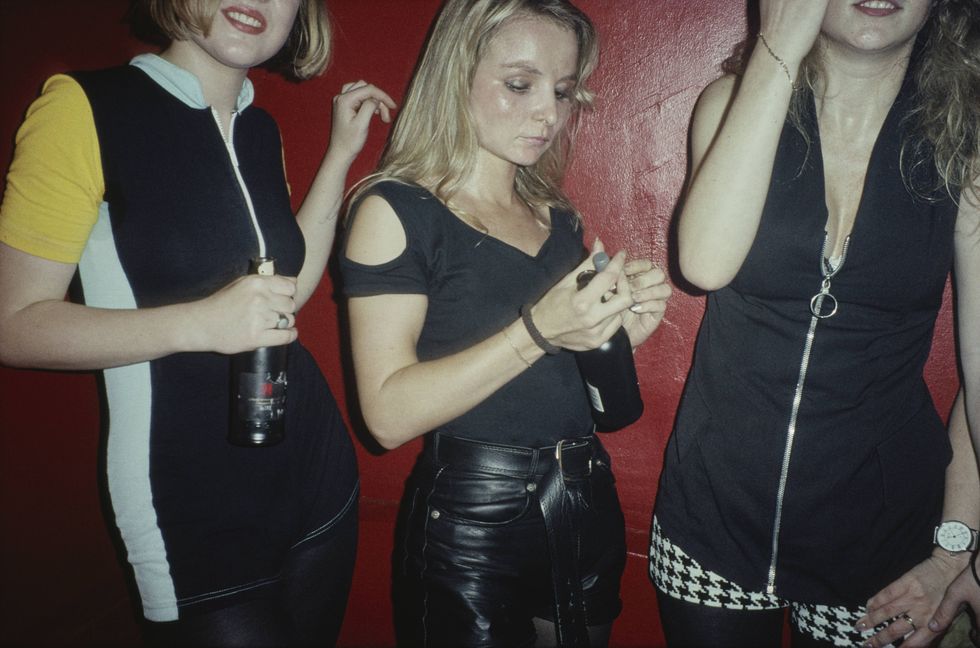
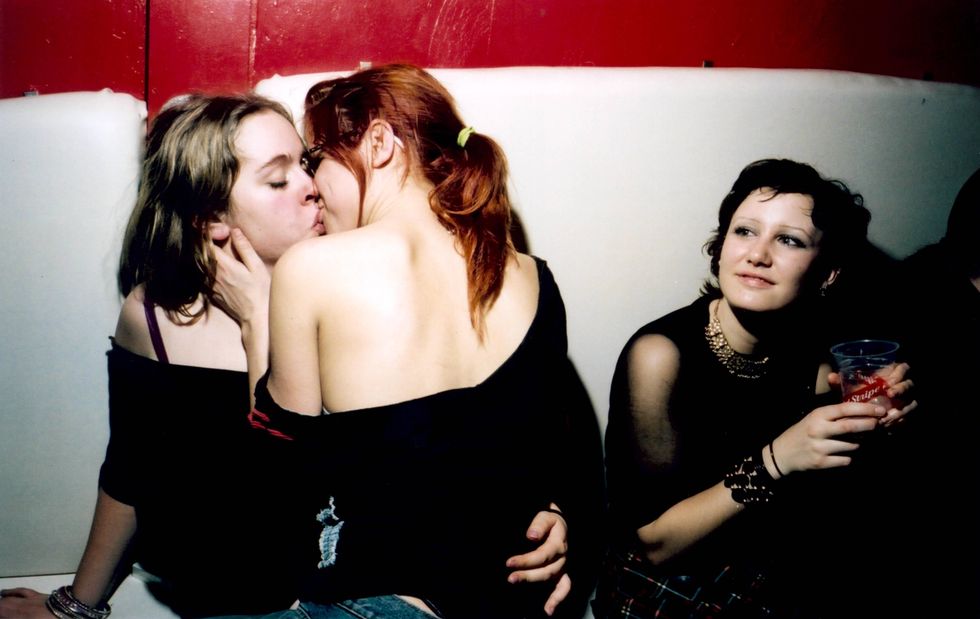
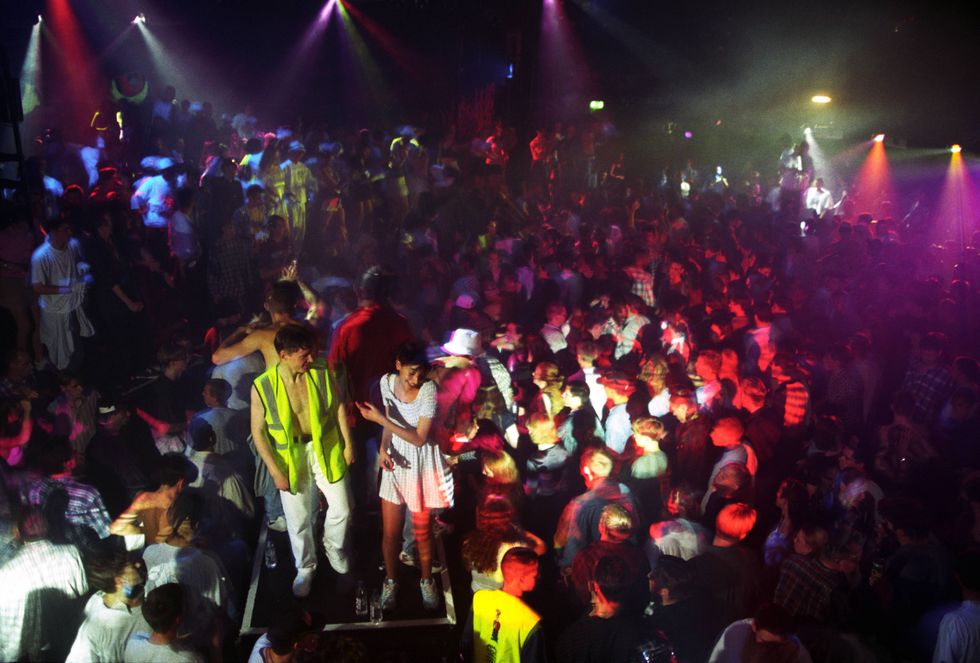
“Being with people you don’t want to be with can make you feel so lonely,” Cain says. “A bad ki will leave you unsatisfied and that’s when loneliness hits harder.” In those moments, the isolation feels sharper because it’s happening in a room full of people. When the lights come on, everything reveals itself. Sometimes it feels like relief. A cathartic release after hours of intensity. Sometimes it feels abrupt, like something was cut short. Sometimes it feels perfect, like the night ended exactly when it should have.
And sometimes, it doesn’t feel over at all.
“I think it depends,” Griffin says. “Sometimes the lights go on and everyone just kind of scuttles away. That’s when I itch for an afters. Other times, the night is so good that all I need is a few friends and something comforting after.”
Memphy sees it more practically. “It depends on the night,” she says. “If it’s a big event or a celebration, there’s usually afters. But if it’s during the week, most people just go home.”
“When the lights come on, it’s your time to bring the ki out of the club,” Cain says. “The club is where you see the faces you’ll get to truly ki with at the afters.” But not every night needs that. Sometimes the best thing one can do for themself is leave. Nightlife doesn’t fix loneliness, but it does give us a place to forget it, reshape it, or to sit inside it with other people who feel it too. It gives you the option to let go.
“I think dance music is a unifying art form,” Griffin says. “Nightlife breaks down walls and brings people together. Sometimes just to enjoy each other, but other times to build real community.” Cain is more direct: “It’s a ki. Queer utopia.”
Perhaps, even, it’s somewhere in between.
Images via Getty