The Lost '90s Fashion Muses of JFK Jr. and CBK
by Zarinah WilliamsMar 24, 2026

I was a celebrity-obsessed 15 year old with unlimited dial-up internet access and a weekly magazine budget when JFK Jr. died.
And, this is not to say that John John wasn’t handsome, or that his eyebrows weren’t thick, or that his chest wasn’t big, hairy, sexy and broad. But, if one scrolls the internet, they’ll see an internet full of people confusing his safe (and generally stunted style) with outright icon status. At large, the internet has hastily rewrote history once again- in its quest to turn John John and Carolyn Bessette-Kennedy into fashion gods, forgetting just how much material we had to choose from in the 90s.
I would know. I was there.
Sure, the horny housewives — his fellow boomers — that kept grocery store tabloids in business loved him, but a generation-defining 90s style icon and heartthrob he was not.
I have my suspicions about just how John got named People’s Sexiest Man Alive (1988), very much in the same way I have doubts about the voting body that pinned Prince William the winner in a “Sexiest Bald Man” poll a few years ago. As an adult, I have a much better understanding of how much of John’s appeal was manufactured by corporate media in the spirit of his family’s lost Camelot.
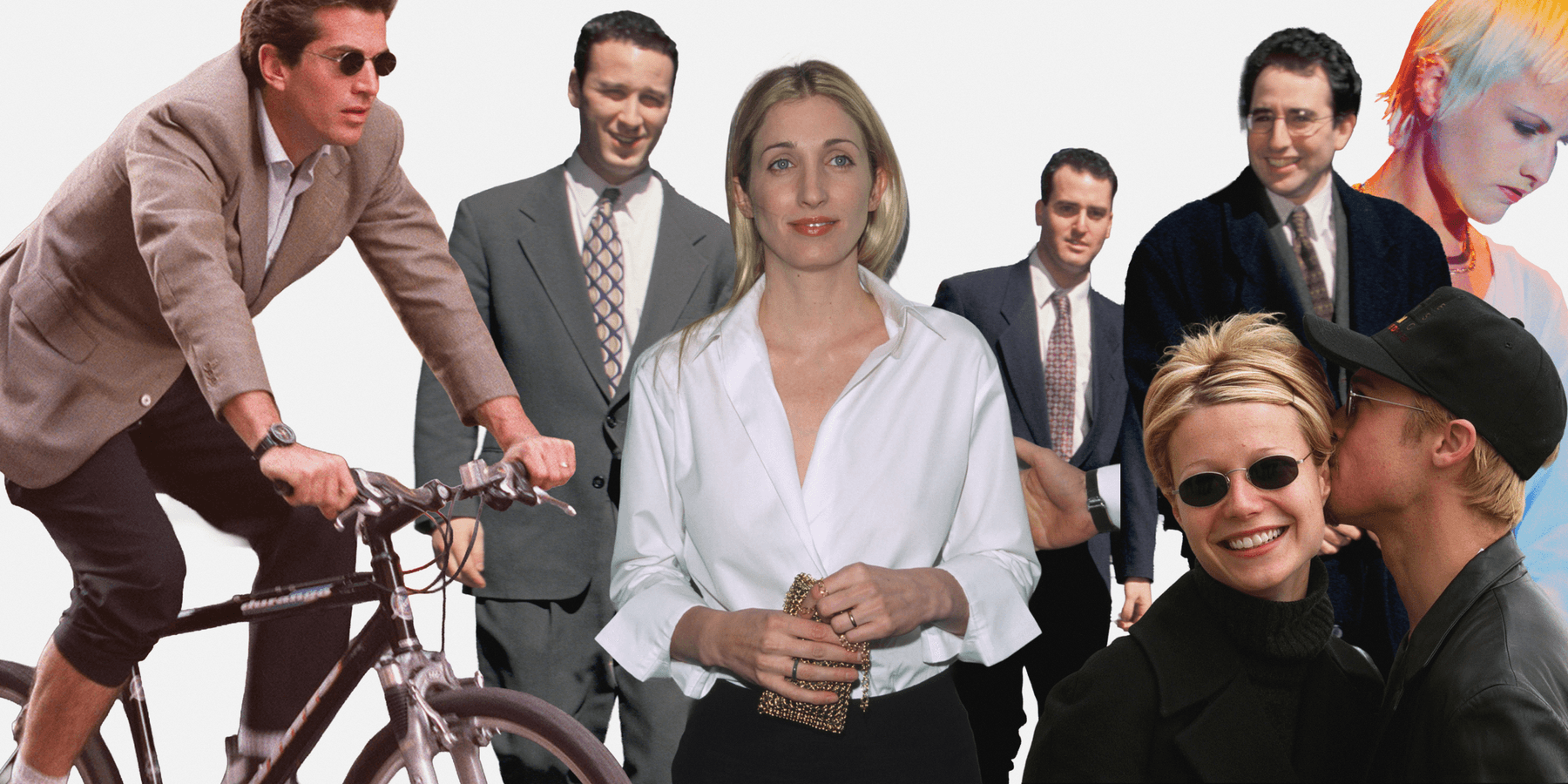
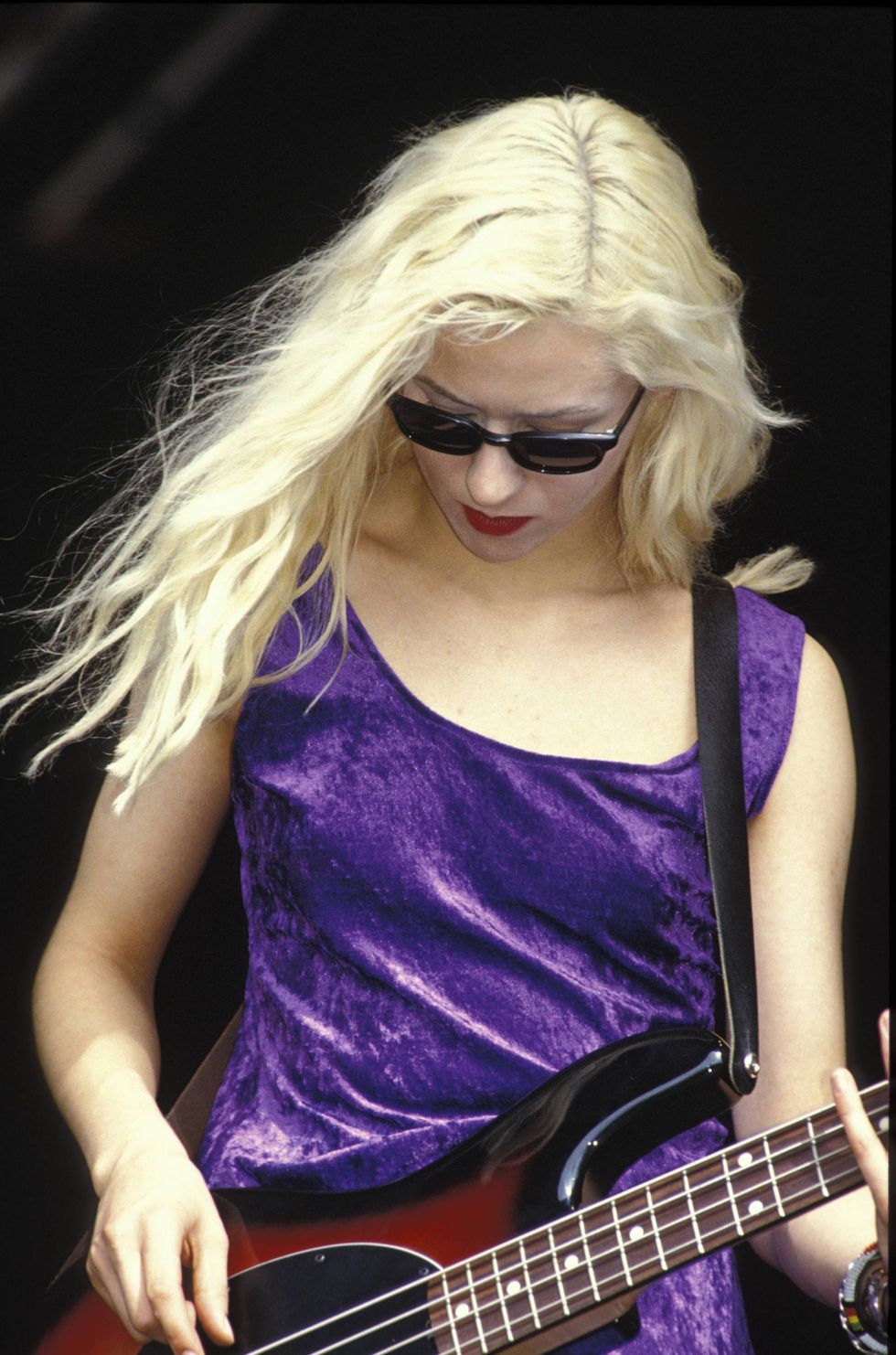
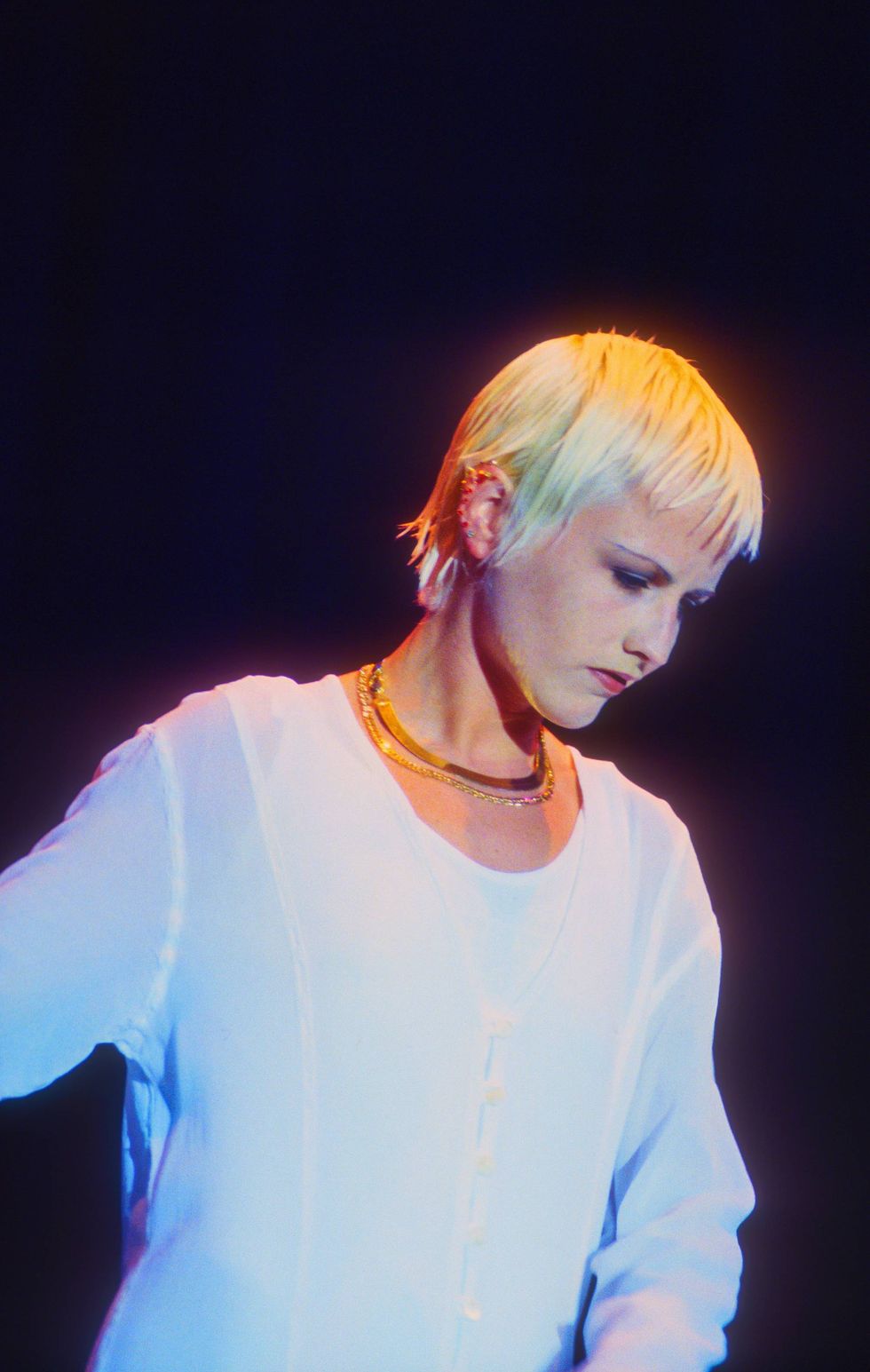
John might’ve been more style forward than his rich bro contemporaries in Manhattan, courtesy CBK, so we’ll hand off some credit for not sourcing his entire look from the golf course or squash courts. (Or the Patrick Batemans on Wall Street.) It was clear that he was pulling influence from the world around him, and for that, he gets more credit than anyone calling a black turtleneck and bootcut jean the “CBK effect,” or crediting Carolyn with inventing “90s blonde” when Darcy Wretzky and Zombie-era Dolores O’Riordan and Slavic baddies in Brighton Beach existed.
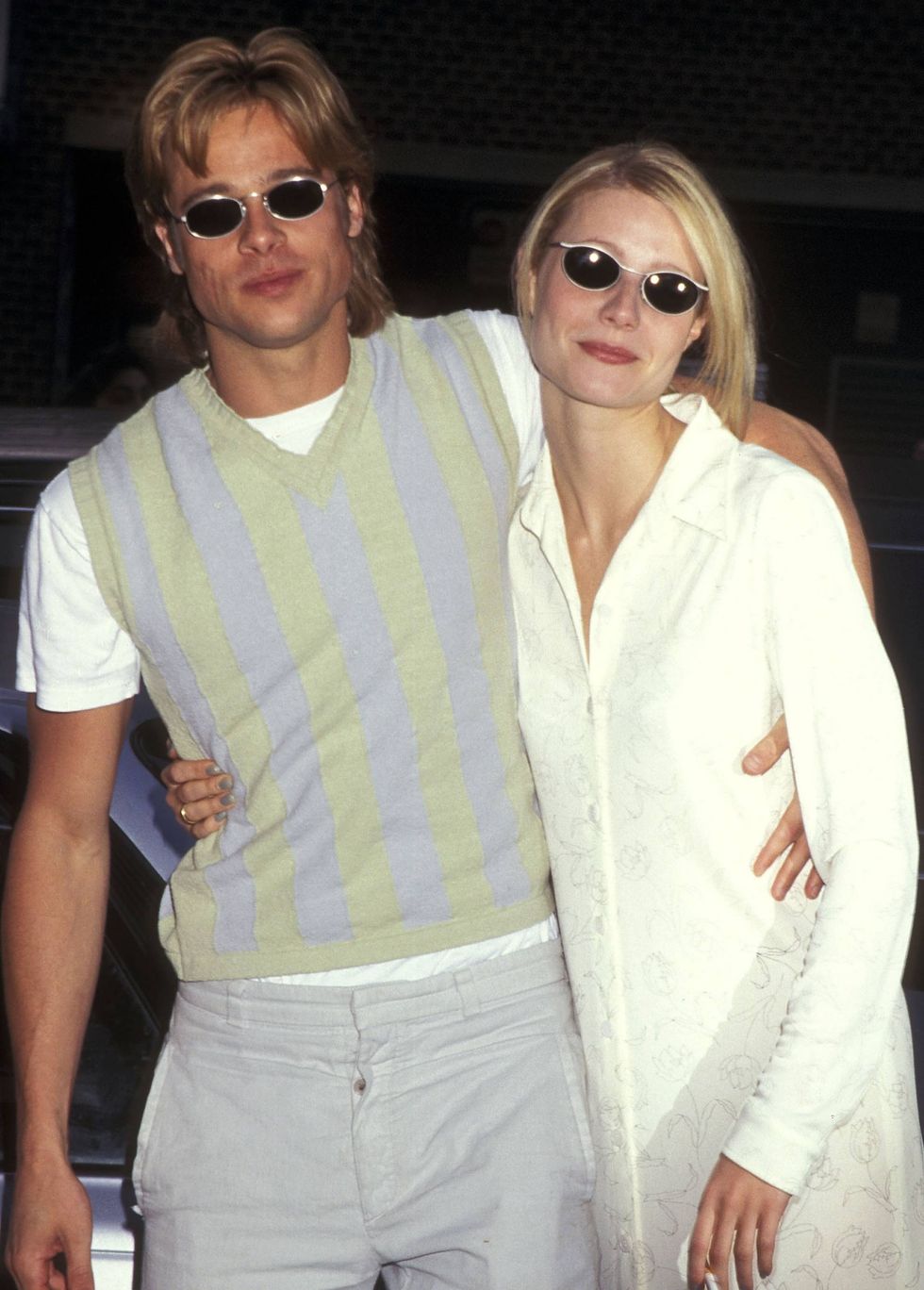
Gwyneth and Brad had, of course, already parlayed it into matching boy-cuts.
In 1988, John really hadn’t done anything besides float around to the various seats in background politics, philanthropy and law that were pre-warmed and waiting for him, like every other rich progeny of every other rich family in New York City. He worked for famous family and friends, and was handed given leadership roles in non-profits that most would have to spend years working toward, before eventually landing a job at the Manhattan District Attorney’s office despite failing the bar twice. Not really prodigal, not really exceptional.
All around him, the late ‘80s and ‘90s arrived with a flood of underdog and outcast stories in film and TV, bringing on a countercultural rebelliousness. That spirit wasn’t just reserved for a Gen X coming of age; John’s fellow 30-somethings were born during a Civil Rights movement that promised them access to the American Dream. One not just reserved for an uppercrust club of white key holders. A club, no matter how many bookbags or backwards hats he wore, John was very much a part of.
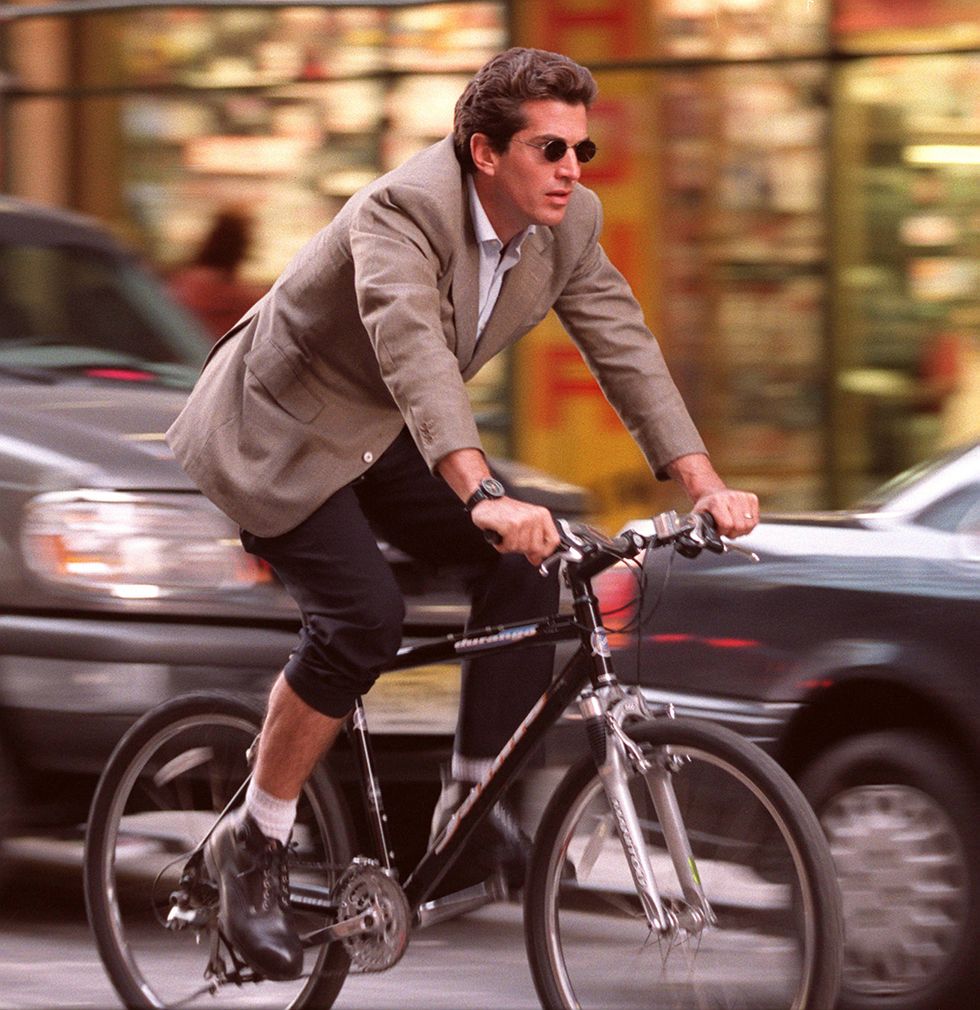
By the time the ‘80s wrapped, guys like John were not only uncool, but were already well-characterized with the help of John Hughes, in film and TV, as villains — rich, preppy, pedigreed frat bros who don’t pay speeding tickets and pay lawyers to make their problems go away. His personal style was similarly outdated, and lagged behind the pace of a decade in transition.
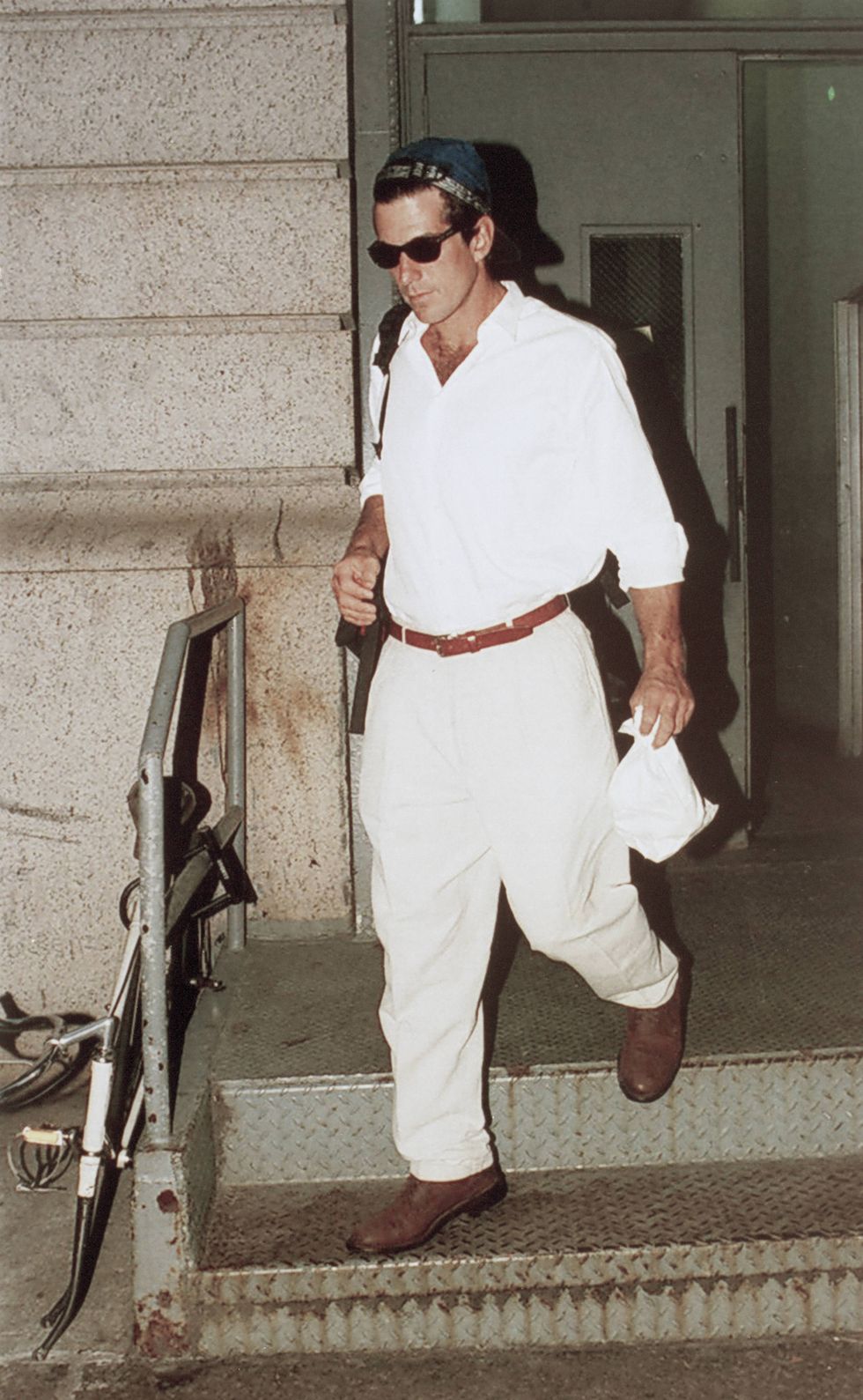
Recently, I witnessed a guy on Instagram doing a “John Kennedy Jr. #OOTD.” He stood next to a bike with a backwards cap and a bookbag on. Gasp. It was a dangerously low-effort look that he fully credited to John, and not to the guys clearly ripped the look from himself. The actual hustle kings of New York: the city’s bike messengers. Their existence will be a foreign concept to anyone who’s moved to New York City in the last 15 years, but their wardrobe reigns supreme.
If one must romanticize the ‘90s, its fashion and its famous figures, they have to remember the world that served as its backdrop. New ambition, new technology and cultural convergence, corporate feminism, post-Reagan survival and an end-of-century optimism that produced the most first-generation millionaires in American history. A society high on AOL disks, MTV and the greatest era of sports entertainment, looking toward the future and with youth culture totally non-reliant on institutional figures and templates from the past.
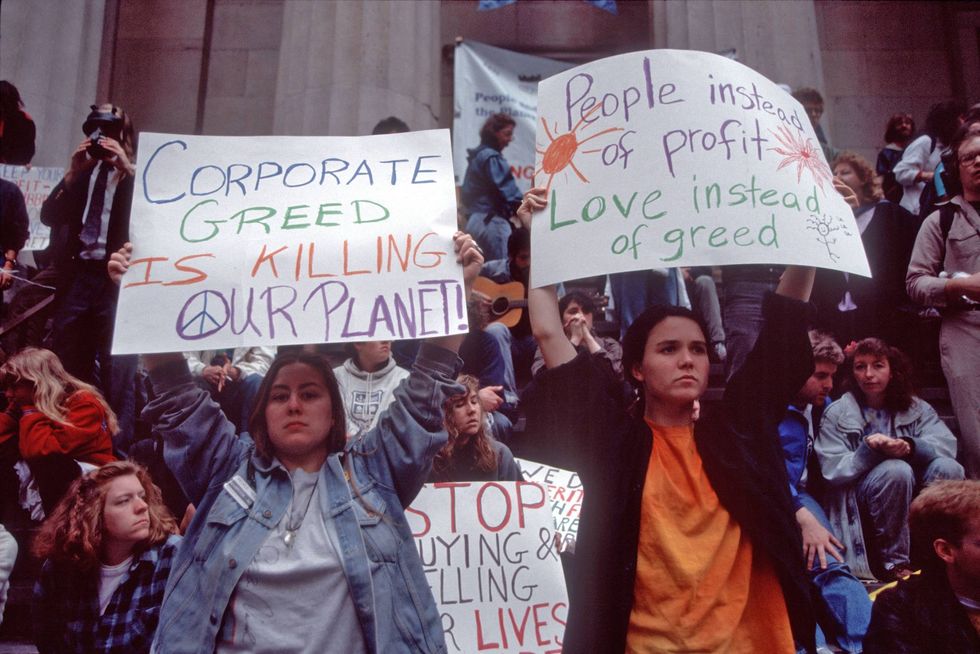
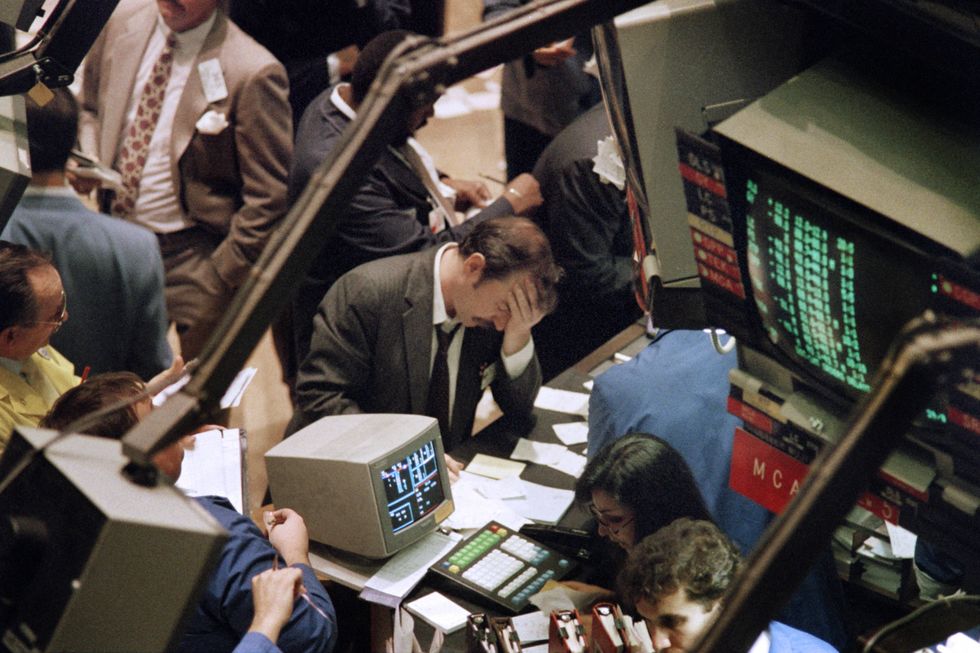
Fashion-wise, this brought a “sexy excess” aesthetic to women's wear and runway. It made for better grunge digging at thrift and surplus stores, and gave us a futurism (and grunge futurism) that hadn’t yet fully formed into Y2K. The ‘90s also planted new, sexier muses like Tyson Beckford and anonymous Abercrombie co-eds as the fresh faces of American old money. For athletics, a post-Dream Team and post-UNLV surge had Tommy Hilfiger, Nautica, and Ralph Lauren building entire lines dedicated to sportswear, turning out trends that fed a cultural obsession that looked the exact opposite of what John was still dragging around in his 30s.
Hip Hop, of course, was there through all of it, layering and uniting everything from ski goggles, vintage dungarees, basketball sneakers, tackle vests, and team jerseys into one look — into “cool.”
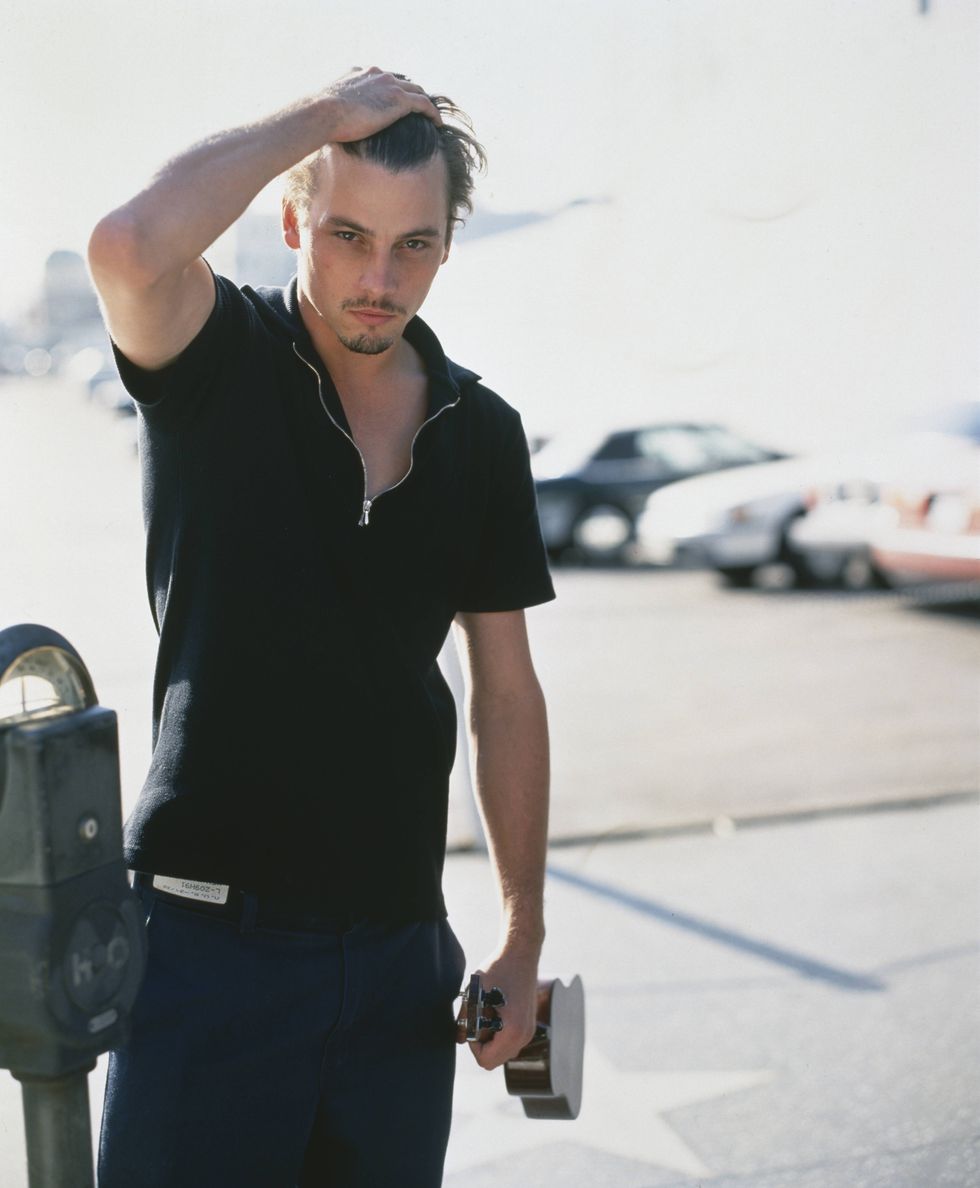
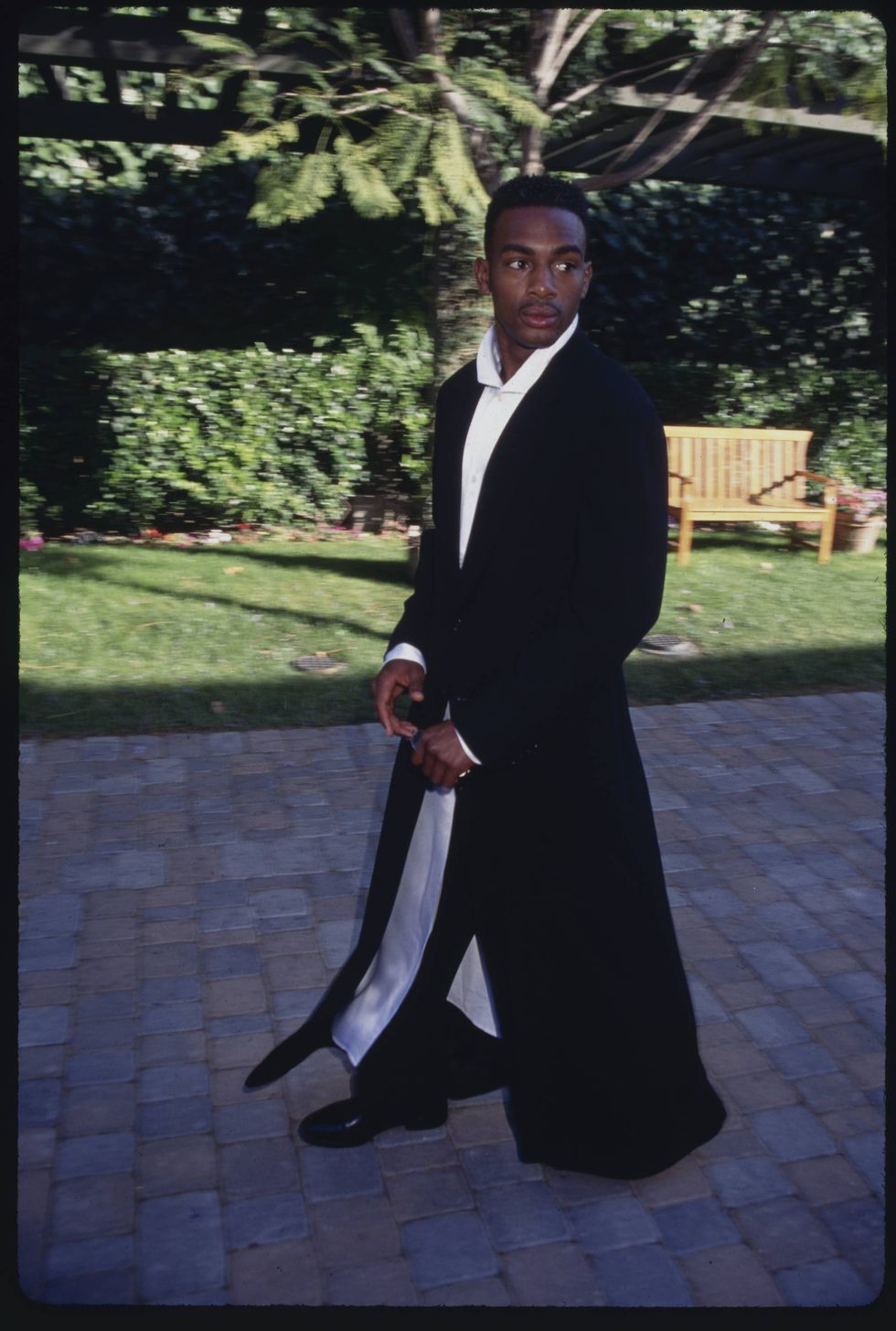
That backwards ball cap? A non-starter in the style hall of fame when you remember no one has ever worn it better before or after Ken Griffey Jr. did in the early 90s, the man who was supposed to be in my husband harem alongside Skeet Ulrich and Bill Bellamy… with the late ‘90s addition of Kevin Richardson from Backstreet Boys.
John John’s backwards Kangol flatcap would never look cooler than it did in 1991’s New Jack City.
But even as Ralph Lauren’s current Sophisticated Style campaign pulls cues from FX’s Love Story into its creative, there’s an obvious elevation in styling that’d never show up naturally on their muse.
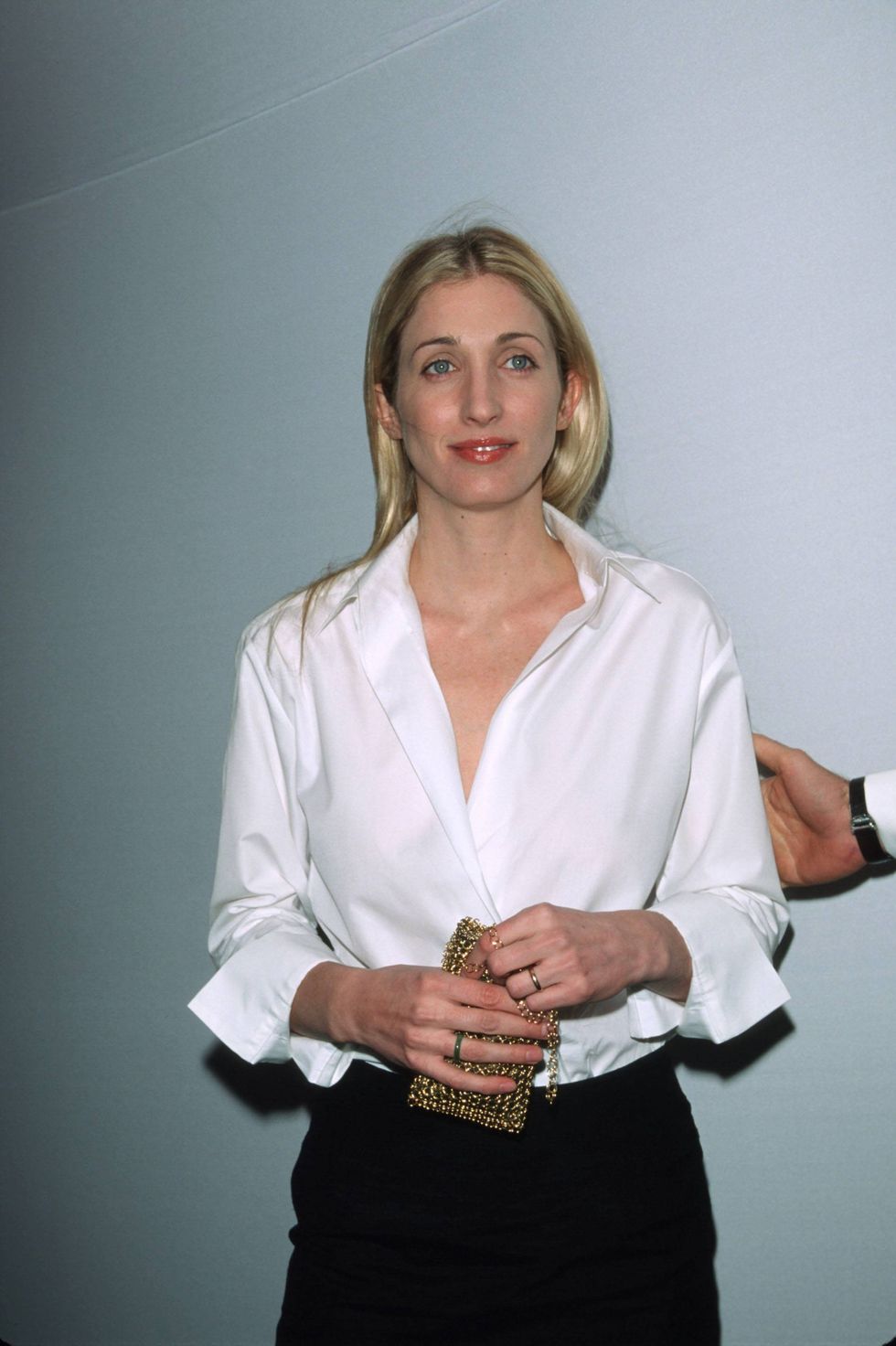
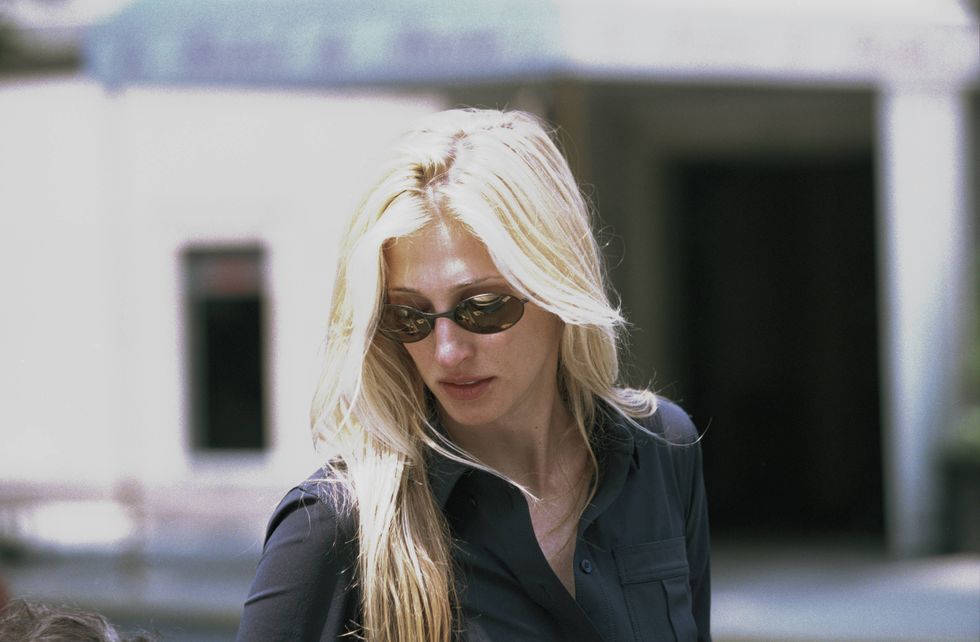
Next to John, who often dressed like he stopped shopping for suits somewhere around 1989, Carolyn Bessette-Kennedy is absolutely edgy. Her “classic” style, though, is very much an update on her in-laws actually classic style — Jackie Kennedy and Lee Radziwill circa the 1960s and 1970s. The belted trenches, cropped pants, corduroys, large lapel coats, the knits and turtlenecks, mod knee-high boots, leopard accents, the styling and combinations. Updated options made available to Carolyn (and all of us in the 90s), because, well, literally every American designer and retailer, including Carolyn’s boss Calvin Klein, had been embedding the Bouvier sister into their style DNA. Even though Carolyn’s looks were designer, they were still buildable via mall stores like Express and The Gap, and were already part of the business casual uniform for stylish guidance counselors everywhere.
Migraine inducing plastic tortoise headbands included.
Unsurprisingly, the young internet’s revival and rebranding comes with about zero interest in attributing or acknowledging the sources and inspiration behind these looks. The worst thing that can happen to the legacy of any slightly fashionable person like Carolyn is having your personal style devoured by a hive of super consumers in a feverish competition to be the most unclockable impersonator. The ones always on a quest to consume and conform, never on a mission to be the fucking muse.
These sycophants turn lasting, classic style into a clone trend that’ll be written off as “tired” in a few weeks, demonstrating to the rest of us how wide the gap between collecting and consuming really is. This race to “basic” that’s driving #CBKandJKFTok makes it one of our worst eras of hypebeast to date.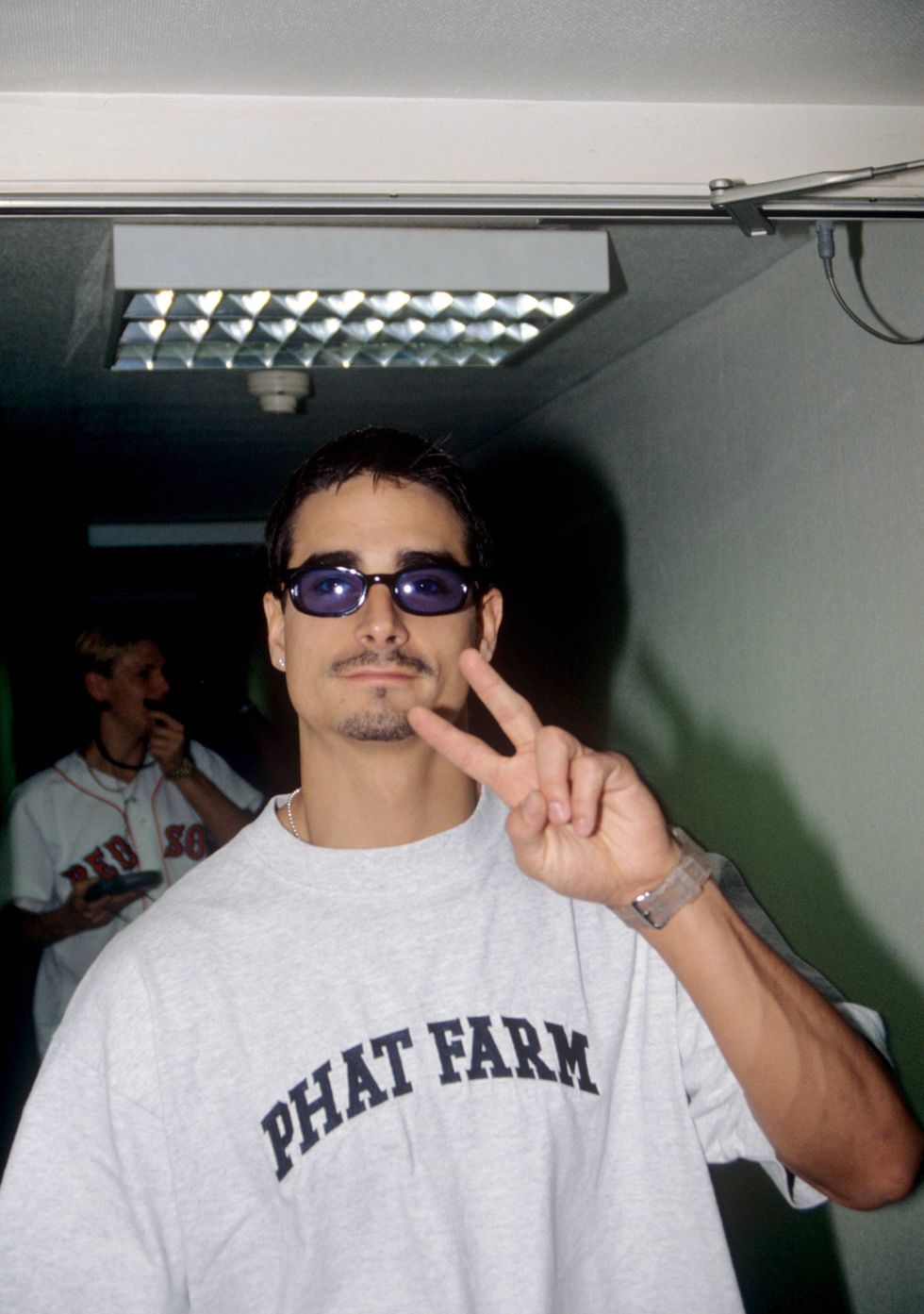
Images via Getty
Graphic Design by Composite Co